“சிறுநீரக பாதிப்புகள்” என்ற புத்தகத்தைக் கேள்வி–பதில் பாணியிலே எழுதி வெளியிடுவதில் மிகவும் மகிழ்ச்சியடைகிறோம்.
இந்தக் காலத்திலே, சிறுநீரக பாதிப்புகள் அதிகமாக ஏற்படுவதை நாங்கள் கண்கூடாகப் பார்த்து வருகிறோம். நீங்களும் அதனை உணர்ந்திருப்பீர்கள். நீரிழிவு நோய், அதிக இரத்த அழுத்தம் போன்றவற்றால் சிறுநீரக வியாதிகள் அதிகமாக ஏற்பட்டாலும், இதற்கான வேறுசில முக்கியமான காரணங்களும் உள்ளன. இவற்றைப் பற்றிய விழிப்புணர்வு நம் அனைவருக்கும் தேவைப்படுகிறது என்பதைக் கருத்தில் கொண்டு, இந்தப் புத்தகம் உருவாக்கப்பட்டிருக்கிறது. அனைவரும் எளிதில் புரிந்து கொள்வதற்காக, இலகுவான தமிழில், கேள்வி–பதில் பாணியில் இதனை வடிவமைத்திருக்கிறோம்.
முக்கியமான சிறுநீரக வியாதிகளைப் பற்றியும், அதற்கான காரணங்கள், ஆரம்ப அறிகுறிகள், செய்ய வேண்டிய முன் நடவடிக்கைகள், வாழ்க்கை முறை மாற்றங்கள் மற்றும் சிகிச்சை முறைகளைப் பற்றி, சுருக்கமாக, அனைவரும் புரிந்து கொள்ளும் வகையிலே எழுதப்பட்டுள்ளது. இந்த வியாதியைப் பற்றிய சந்தேகங்களும் அதற்கான விளக்கங்களும் தொகுத்து வழங்கப்பட்டிருக்கின்றன.
சிறுநீரக பாதிப்புகளைப் பற்றிய உண்மைகளை நீங்கள் தெரிந்து கொண்டு, ஆரோக்கியமாக வாழ இந்தச் சிறிய முயற்சி உதவியாயிருக்கும் என்று நம்புகிறோம்.
அன்புடன், டாக்டர் ஜோன்ஸ் ரொனால்ட் — BSc, MD, MNAMS, DM (Neph) டாக்டர் ஹரி ஜனகிராமன் — MD, DNB (Nephro)
Foreword
We are very happy to publish this book on urinary disorders in a question-and-answer format.
During this period we have been witnessing the increasing incidence of kidney diseases — and you will have felt it too. Although kidney diseases are most often caused by diabetes and high blood pressure, there are other important reasons as well. Keeping in mind that we all need to be aware of these, this book has been created. So that everyone can understand it easily, we have written it in simple language, in a question-and-answer style.
This book covers diseases, their causes, early symptoms, precautions to be taken, lifestyle changes and treatments — all in a nutshell, and easy to understand. Common doubts about these conditions, and their explanations, are compiled here.
We hope this small effort will help you know the facts about kidney problems and live a healthy life.
With love, Dr. Jones Ronald — BSc, MD, MNAMS, DM (Nephrology) Dr. Hari Janakiraman — MD, DNB (Nephrology)
எழுத்தாளர்கள் பற்றி
டாக்டர் ஜோன்ஸ் ரொனால்ட் — BSc, MD, MNAMS, DM (Neph)
டாக்டர் ஜோன்ஸ் ரொனால்ட், ஆரம்ப மருத்துவப் படிப்பினைத் திருநெல்வேலி மருத்துவக் கல்லூரியில் (1968) பயின்று, பொது மருத்துவச் சிறப்புப் படிப்பை மதுரை மருத்துவக் கல்லூரியிலே (1976) படித்து, சிறுநீரக மருத்துவ மேற்படிப்பினை மதுரை மருத்துவக் கல்லூரியிலே (1984) முடித்தார். அதன் பின்பு, சிறுநீரக மருத்துவ சிகிச்சைத் துறையில் 35 வருடங்களுக்கு மேலாக சேலத்தில் பணியாற்றி வருகிறார்.
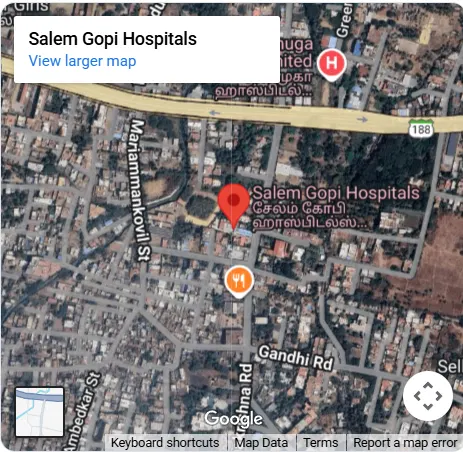
சேலம் மோகன் குமாரமங்கலம் மருத்துவக் கல்லூரியில் சிறுநீரக மருத்துவத் துறைத் தலைவராகப் பணியாற்றியவர். ஓய்வு பெற்றபின், சேலம் விம்ஸ் மருத்துவமனையில் சிறுநீரக சிறப்பு மருத்துவராகவும், சேலம் கோபி மருத்துவமனையில் ஆரம்பகால முதல் சிறுநீரக மருத்துவ ஆலோசகராகவும் தொடர்ந்து இருந்து வருகிறார். சிறுநீரக பாதிப்புகளைப் பற்றி, பத்திரிகைகள், புத்தகங்கள், தொலைக்காட்சி மற்றும் எஃப்.எம் வானொலி மூலம் விழிப்புணர்வு ஏற்படுத்துவதில் ஆர்வமாகத் தன்னை ஈடுபடுத்திக் கொண்டிருக்கிறார். அநேக தேசிய மருத்துவக் கருத்தரங்குகளில் சிறுநீரக பாதிப்புகளைப் பற்றி உரையாற்றி, பாராட்டுதல்களையும், விருதுகளையும் பெற்றவர். சிறுநீரக மருத்துவ சிகிச்சை ஆலோசகராக, நோயாளிகளுக்குச் சிறப்பான சிகிச்சை அளித்து வரும் இவருக்கு வாழ்நாள் சாதனையாளர் விருதும் வழங்கப்பட்டிருக்கின்றது. தம் அனுபவத்தின் அடிப்படையில் சிறுநீரக பாதிப்புகளைப் பற்றியும், அதன் காரணங்கள் மற்றும் அதற்கான சிகிச்சை முறைகளைப் பற்றியும், வினா–விடைகளாக எளிதில் அனைவரும் படித்துப் புரிந்து கொள்ளும் வகையில் தொகுத்து, இந்தப் புத்தகத்தை வெளியிடுவதில் முக்கியப் பங்காற்றியுள்ளார்.
டாக்டர் ஹரி ஜனகிராமன் — MD, DNB (Nephro)
டாக்டர் ஹரி ஜனகிராமன், சிறுநீரக மருத்துவம் மற்றும் சிறுநீரக மாற்று அறுவை சிகிச்சை ஆலோசகராக 15 வருடங்களுக்கும் மேலாக அனுபவம் பெற்றவர். பெங்களூர் மணிபால் மருத்துவமனையில் பயிற்சி பெற்ற சிறுநீரக மருத்துவராகப் பணியாற்றி, தற்போது சேலம் கோபி மருத்துவமனையில் 15 வருடத்திற்கும் மேல் சிறுநீரக மருத்துவம் மற்றும் சிறுநீரக மாற்று அறுவை சிகிச்சை ஆலோசகராக இருந்து வருகிறார். மருத்துவக் கருத்தரங்குகளில் சிறுநீரக பாதிப்புகளைப் பற்றி உரையாற்றியுள்ளார். மேலும் தொலைக்காட்சி மற்றும் வானொலி மூலம் விழிப்புணர்வு ஏற்படுத்துவதில் தன்னை ஆர்வமாக ஈடுபடுத்திக் கொண்டவர்.
அது மட்டும் அல்லாது, மூளைச்சாவு பிரகடனம் மற்றும் உடல் உறுப்பு தானம் பற்றிய நிபுணத்துவம் கொண்டவர். பல வகையான விழிப்புணர்வு நிகழ்ச்சிகளைப் பள்ளிகள், கல்லூரிகள், நிறுவனங்கள் மற்றும் காவல் துறையிடத்தில் சிறப்புரை ஆற்றுவதைத் தொடர்ச்சியாகக் கொண்டிருக்கிறார். சேலத்தில் முதல் முதலாக மூளைச்சாவு பிரகடனம் மற்றும் உடல் உறுப்பு தானம் செய்த நிகழ்வு அவருடைய மேற்பார்வையில் நடந்தது. தம் அனுபவத்தின் அடிப்படையில் இந்தப் புத்தகத்திலே சிறுநீரக சிகிச்சையைக் குறித்த சிறந்த ஆலோசனைகளை வழங்கியுள்ளார்.
About the Authors
Dr. Jones Ronald — BSc, MD, MNAMS, DM (Nephrology)
Dr. Jones Ronald studied Internal Medicine at Tirunelveli Medical College, completed General Medicine at Madurai Medical College, and his postgraduate qualification in Urology at Madurai Medical College. Since then he has worked in Salem as a nephrologist for over 35 years.
He served as the Head of Urology at Kumaramangalam Medical College. After retirement he continues as a urologist at Salem VIMS Hospital and as a urology consultant at Salem Gopi Hospital. He is passionately involved in creating awareness about kidney disorders through magazines, brochures, television and FM radio, has lectured at many international medical seminars, and has received a Lifetime Achievement Award as a urology-care consultant. Drawing on this experience, he has played a key role in publishing this book in a way that everyone can read and understand easily.
Dr. Hari Janakiraman — MD, DNB (Nephrology)
Dr. Hari Janakiraman has more than 15 years of experience as a consultant nephrologist and kidney-transplant consultant. Trained at Manipal Hospital, Bangalore, he is currently Consultant in Nephrology and Kidney Transplantation at Salem Gopi Hospital. He has addressed kidney disorders in medical seminars and is keenly involved in creating awareness through television and radio.
He also has expertise in brain-death declaration and organ donation, and conducts awareness programmes in schools, colleges, institutions and the police department. The first declaration of brain death and organ donation in Salem took place under his supervision. Drawing on this experience, he has advised on the urinary disorders covered in this book.
சிறுநீரகங்கள் சிறுநீரை உற்பத்தி செய்கின்றன. இரண்டு சிறுநீர்ககுழாய்கள் சிறுநீறை சிறுநீர்ப்பைக்குக் கொண்டு செல்இின்றன. சிறுநீர்ப்பை சிறுநீரை வெளியேற்றும் வரை சேமிக்கிறது. பின்பு சிறுநீர்ப்பையிலிருந்து சிறுநீர்ககுழாய் வழியாக சிறுநீர் தேவையான இடைவெளியில் வெளியேற்றப்படுகிறது. பொதுஅமைப்பு சிறுநீரகம் சிறுநீரக குழாய் சிறுநீர்ப்பை சிறுறீர் வெளியேறும் பாதை
Chapter 1
Introduction
1.1 The renal system consists of:
A pair of kidneys
Urinary tracts
Bladder
Urethra drains urine from bladder.
The Kidneys produce urine. Two Urinary tubes carry urine to the bladder. Urinary bladder saves the urine until it empties. Then urine is excreted from the bladder through the urethra at required intervals.
🖼️Figure: The human urinary system — to be added
The human urinary system
அத்தியாயம் 2
சிறுநீரகம் மற்றும் அதன் செயல்பாடுகள்
செயல்பாடுகள் ட வடிவு
2.1 சிறுநீரகம் என்றால் என்ன?
சிறுநீரகங்கள் உங்கள் முதுகுத்தண்டின் இருபுறமும் உங்கள் விலா எலும்புகளுக்குக் கீழே மற்றும் வயிற்றின் பின்னால் இருக்கும் ஒரு ஜோடி பெரிய அவரைவிதை வடிவ உறுப்புகளாகும். ஒவ்வொரு சிறுநீரகமும் தோராயமாக ஒரு பெரிய முட்டியின் அளவு இருக்கின்றது என்று சொல்லலாம். உள் அமைப்பு
காட்டெகள் பிரமிரு பெல்வில் சிறுநீரக தமனி சிறுநீரக சிரை
2.2 கலிக்ஸ் சிறுநீர்க்குழாய் 2.2 சிறுநீரகத்தின் அளவு மற்றும் எடை எவ்வளவு?
பொதுவான அளவு: x சிறுநீரகத்தின் நீளம் 70-72 செமீ x சிறுநீரகத்தின் அகலம் 4-7 செமீ x சிறுநீரகத்தின் அகலம் 2 — 4 செமீ
வைட்டமின் / உதவியுடன் வலுவான ஆரோக்கியமான எலும்புகளை
பாதுகாப்பது
2.4 சிறுநீரக செயல்பாட்டை மேம்படுத்துவது எப்படி?
2 போதுமான தண்ணீர் பருகுவது நல்லது. 2 உங்கள் இரத்த சர்க்கரை அளவை கட்டுப்பாட்டில் வைக்கவேண்டும் 2 உங்கள் இரத்த அழுத்தத்தை கண்காணித்து கட்டுப்படுத்தவேண்டும் 2 வழக்கமான உடற்பயிற்சியில் ஈடுபடுங்கள்
சிறுநீரக பாதிப்புகள் 2 ஆரோக்கியமான எடையை பராமரிப்பது சிறந்தது 2 புகைபிடிப்பதையும், மது அருந்துவதையும் தவிருங்கள் 2 வலி நிவாரண மருந்துகளை, மருத்துவரின் ஆலோசனையின்றி எடுக்க வேண்டாம் 2 போதுமான தூக்கம் ஆரோக்கியம் தரும் XR தொடர்ந்து உங்கள் மருத்துவரை அணுகி பரிசோதனைகளை சீரான இடைவெளியில் செய்து கொள்ளுங்கள் XR சிறுநீரக உணவு செயல்முறையை சரியாகக கடைப்பிடியுங்கள்
2.5 யார்யாருக்கு சிறுநீரக பாதிப்பு ஏற்பட வாய்ப்புகள் அதிகம்?
உங்களுக்கு கீழ்கண்ட பிரச்சனைகள் இருந்தால், நாள்பட்ட சிறுநீரக நோய் வரக்கூடிய ஆபதீதில் இருக்கிறீர்கள் என்று சொல்லலாம். a 2 oo T 5 Se ணை - 3 சர்க்கரைவியாதி உயர் இரத்த அழுத்தம் Sh eo) GOLIST) இதய நோய் யாருக்காவதுசிறுநீரக வியாதி இருப்பது டு Xs Q சிறுநீரக அமைப்பிலேயே எந்த தேசம், எந்த இனத்தை ஏற்படுகின்ற கோளாறுகள்; நீங்கள் சேர்ந்தவர்களென்பது வயதானவர்கள் மற்றும் மருந்துக் கடைகளில் நீண்ட நாட்களாக வலி நிவாரணிகளை வாங்கி பயன்படுததுபவர்கள்.
Chapter 2
Kidney and its Functions
2.1 What is kidney?
The kidneys are a pair of large kidney-shaped organs located on either side of your spine below your ribs and behind your stomach. Each kidney is roughly the size of a large knee.
2.2 What is the size and weight of the kidney?
Common size:
Length of kidney is 10 - 12 cm
Width of kidney is 4 - 7 cm
The width of the kidney is 2 - 4 cm
Weight:
Male kidney weighs 125-170 grams.
Women Kidney weighs 115-155 grams.
2.3 What are the functions of the kidney?
Removal of waste products from the body
Balancing fluids and minerals in the body
Maintaining blood pressure.
Assist in the production of red blood cells.
Maintaining strong healthy bones with the help of vitamin D.
2.4 How to improve kidney function?
It is good to drink enough water.
Keep your blood sugar levels under control
Monitor and control your blood pressure
Engage in regular exercise.
It is best to maintain a healthy weight
Avoid smoking and drinking alcohol
Do not take pain relievers without doctor's advice
Adequate sleep is good for health
Keep visiting your doctor for regular check-ups
Follow the kidney diet procedure properly.
2.5 Who is most likely to develop kidney disease?
If you have kidney problems, you may be at risk of developing chronic kidney disease.
Diabetes
High blood pressure
Heart disease
A family history of kidney disease
Existing disorders of the kidney
Disorders of the renal (urinary) system
Elderly people, and long-term users of over-the-counter painkillers
அத்தியாயம் 3
சிறுநீரக நோய்களின் வகைகள்
ன ணவ தலை
3.1 சிறுநீரக நோய் என்றால் என்ன?
சிறுநீரக நோய் என்றால் உங்கள் சிறுநீரகங்கள் சரியாக வேலை செய்யவில்லை என்று அர்த்தம். சிறுநீரகங்களின் திடீர் செயலிழப்பு என்பது பொதுவாக தற்காலிகமானதாகும். சரியான நேரதீதில் தகுந்த சிகிச்சை அளித்தால், இந்தப்பாதிப்பை சரிசெய்ய முடியும். இதைத்தான் திடீர் சிறுநீரக செயலிழப்பு (Acute Kidney Injury - AKI) என்று சொல்கிறோம்.
நாள்பட்ட சிறுநீரக நோய் என்பது, காலப்போக்கில் மெதுவாக உங்களுடைய சிறுநீரகங்கள் செயலிழந்து போவதால் ஏற்படுகின்றது. இதைத்தான் Chronic Kidney Disease (CKD) என்று சொல்கிறோம். அதிக இரத்த அழுத்தம் மற்றும் நீரிழிவு நோய் இந்த இரண்டுமே, நாட்பட்ட நிரந்தரமான சிறுநீரக பாதிப்பு ஏற்பட முக்கிய காரணங்களாயிருக்கின்றன.
இந்த நாள்பட்ட சிறுநீரக நோயை ஆரம்பதீதிலேயே கண்டுப்பிடித்து விட்டால் அது மேலும் தீவிரமடையாமல், மருத்துவ சிதிச்சைமூலம் பாதுகாக்க முடியும். மிக அதிகமாக பாதிப்பு வந்துவிட்டால், அப்பொழுது இரதீத சுத்திகரிப்பு (Dialysis) சிகிச்சை முறையோ அல்லது சிறுநீரக மாற்று அறுவை சிகிச்சையோ (Kidney Transplantation) தேவைப்படுகின்றது.
3.2 சிறுநீரக செயலிழப்பை எவ்வாறு கண்டறிவது?
3 சிறுநீர் பகுப்பாய்வு:
சிறுநீரை நுண்ணோக்கி மூலம் பரிசோதித்து, அதில் சிவப்பு மற்றும்
வெள்ளை இரத்த அணுக்கள், அதிக அளவு பாக்டீரியாக்கள் மற்றும்
இசுக்களின் அச்சுகள் என்பவைகளின் எண்ணிக்கை மற்றும் குழாய்
வடிவ துகள்கள் கண்டறிய சிறுநீர் வண்டல் பரிசோதனை, ஆகியவை
தேவைப்படுகின்றன.
2 சிறுநீரின் அளவு அளவீடுகள்: சிறுநீரக செயலிழப்பைக கண்டறிய, இனமும் எவ்வளவு சிறுநீர் வெளியேறுகிறது என்பதை அளவிடுவது, சிறுநீரக செயலிழப்பைக கண்டறிய உதவும் எளிய முறையாகும்.
x சிறுநீரில் புரதச்சத்து: சில பாதிப்புகளுக்கு, சிறுநீரில் வெளியாகும் புரதச்சத்தை அளவிடுவது அவசியமாகின்றது. இதனை புரதச்சத்து - கிரியாடினின் விகிதம் மூலமாகவோ, 24 மணி நேர சிறுநீரின் அளவில் புரதத்தின் அளவை பரிசோதிப்பதின் மூலமாகவோ அறியலாம்.
* இரத்தப்பரிசோதனை: இரதீத யூரியா, மற்றும் கிரியாடினின் போன்றவற்றை அளவிட உங்கள் மருத்துவர் இரத்த பரிசோதனைகளுக்கு ஆலோசனை தரலாம். இநீத அளவுகளில் வேகமான மற்றும் அதிகமான அதிகரிப்பு இருந்தால், அது கடுமையான சிறுநீரக செயலிழப்பைக் குறிக்கும்.
XR நிழற் படங்கள்: அல்ட்ராசவுண்ட், சி.டி ஸ்கேன் மற்றும் எம்.ஆர்.ஐ சோதனைகள், உங்கள் சிறுநீரகங்கள் மற்றும் சிறுநீர் பாதையின் நிலையை நிழற்படங்கள் மூலம் அடைப்புகள் அல்லது பிற பிரச்சனைகள் இருப்பதை அடையாளம் காண உதவும்.
x சிறுநீரக திசு பரிசோதனை: சிலவகை சிறுநீரக பாதிப்புகளுக்கு திசுமாதிரிகள் பரிசோதனை அவசியமாகின்றது. இதனை பயாப்ஸி என்று சொல்கிறோம். திசு மாதிரியை சேகரிக்க உங்கள் மருத்துவர் சிறுநீரக பயாப்ஸி செய்து அதனை நுண்நோக்கி பரிசோதனை செய்வதின் மூலம் சிறுநீரக பாதிப்புகளைத் துல்லியமாக கணிகக முடியும்.
3 விசேஷ பரிசோதனைகள் : சில சிறுநீரக பாதிப்புகளுக்கு விசேஷித்த இரத்த பரிசோதனைகள், மரபணு பரிசோதனை ஆகியவைகள் தேவைப்படுகின்றது.
சிறுநீரக பாதிப்புகள்
3.3 எத்தனை வகையான சிறுநீரக செயலிழப்புகள் உள்ளன?
சிறுநீரக செயலிழப்புகளை ஐந்து வகையாகப் பிரிக்கலாம்:
முன் சிறுநீரக செயலிழப்பு (Pre Renal Failure):
சிறுநீரகங்களுக்கு போதுமான இரத்த ஓட்டம் இல்லாவிட்டால், முன் சிறுநீரக செயலிழப்பு ஏற்படுகிறது. தேவையான இரத்த ஓட்டம் குறைந்து போகின்றபோது, சிறுநீரகங்கள், இரத்ததீதிலிருந்து நச்சுக்களை வடிகட்ட முடியாமல் போகின்றது. ஆகவே இரத்தத்திலே நச்சுப்பொருட்கள் அதிகமாகின்றது. இரத்த ஓட்டம் குறைவதற்கான காரணத்தைக் கண்டறிந்து, அதைச்சரிப்படுத்தினால் இந்தவகை சிறுநீரக செயலிழப்பை பொதுவாக குணப்படுத்த வாய்ப்புண்டு.
கடுமையான சிறுநீரக பாதிப்பு (Acute Kidney Disease):
இது திடீரென்று ஏற்படுகின்ற சிறுநீரக பாதிப்பு அல்லது கடுமையான சிறுநீரக காயம் என்று குறிப்பிடப்படுகின்றது. இந்த சிறுநீரக பாதிப்பு பல காரணங்களால் ஏற்படலாம். விபத்தினால் சிறுநீரகங்களுக்கு காயம் ஏற்படுவதினால் வரலாம். முக்கியமாக சிறுநீரகங்களுக்கு வருகின்ற இரத்த ஓட்டம் தடைபட்டுப்போனால் சிறுநீரகங்கள் வேலை செய்யும் திறனை இழந்துவிடும். உதாரணமாக உடலில் காயத்தின் காரணமாக அதிக இரத்த இழப்பு, பல காரணங்களால் உடம்பில் இரத்த அழுத்தம் குறைநதுபோதல், சிறுநீரகததுச் செல்லும் இரத்தக்குழாய்களில் அடைப்பு ஏற்படுதல் மற்றும் முடிச்சுச் சிறுநீரக வழற்சி என்று சொல்லக்கூடிய குளோமெருலோனெப்ீரிடிஸ்(0/௭1 ௪-0 - nephritis) போன்ற பாதிப்பினால் இது ஏற்படலாம். இதில் சிறுநீரக இறண்கள் மற்றும் இடைப்பட்ட திசுக்கள் கூட பாதிக்கப்படலாம். இதுமட்டுமில்லாமல், சிறுநீரகத்தைப் பாதிக்கக்கூடிய நச்சுப்பொருட்கள், அதாவது. Toxins மூலமாகவும் சிறுநீரகம் செயலிழக்கலாம். இவை உடம்பில் சில காரணங்களால் உருவாகுகின்ற நச்சுப்பொருள், அல்லது வெளியிலிருநது வரும் நச்சுப்பொருளாகவோ (Snake venon)- பாம்பின் விஷம் - (Toxic Medications) நச்சு மருந்துகள் ஆகியவையாக இருக்கலாம்.
நாள்பட்ட முன்சிறுநீரக செயலிழப்பு:
சிறுநீரகததிற்குத் தேவையான இரத்தம் நீண்ட நாட்களாக குறைந்த நிலையில் இருந்தால், சிறுநீரகங்கள் சுருங்கி தங்கள் வேலைத்திறனை இழக்கும் அபாயம் உண்டு.
நாள்பட்ட உள்ளார்ந்த சிறுநீரக செயலிழப்பு:
Chronic Kidney Disease (CKD) என்று அழைக்கப்படுகின்ற இந்த நிலை மிகவும் ஆபத்தானது மட்டுமல்ல, தொடர் தீவிர HHdems தேவைப்படுவதாகவும் இருக்கின்றது. நீண்டகால சிறுநீரக பாதிப்பு உண்டாக்கக்கூடிய சிறுநீரக வியாதிகளால் இது ஏற்படுகின்றது. சிறுநீரகங்கள் இந்நிலையில் மிகவும் சுருங்கி, தங்கள் செயல்திறனை நிரந்தரமாக இழந்துவிடுகின்றன.
நாள்பட்ட பிந்தைய சிறுநீரக செயலிழப்பு (Post Renal Failure):
சிறுநீர் வெளியேறும் பாதையில் ஏதேனும் காரணங்களால் ஏற்படும் தடைகளினால் இது ஏற்படலாம். சிறுநீரகக் கற்கள் கட்டிகள் ஆகியவற்றினால் சிறுநீர் வெளியேறுவதற்கு நீண்ட நாட்களாக தடை ஏற்பட்டால், படிப்படியாக சிறுநீரகங்களில் பின் அழுத்தம் ஏற்பட்டு, சிறுநீரகங்கள் செயலிழக்க வாய்ப்புள்ளது.
3.4 நாள்பட்ட சிறுநீரக நோம் (பப?) மற்றும் கடுமையான திடீர் சிறுநீரகபாதிப்பு (AKI) இரண்டுக்கும் உள்ள வேறுபாடுகள் என்ன?
2 நாள்பட்ட சிறுநீரக நோய்(0%) என்பது 3 மாதங்களுக்கு அதிகமான சிறுநீரக பாதிப்புகளினால், குளோமெருலஸின் வடிகட்டும் திறன் குறைவதால் ஏற்படுகின்றது. இந்தவகை பாதிப்பில் சிறுநீரில் புரதம் ஒழுகுதல், படிமங்கள் (Casts) காணப்படுதல் மற்றும் ஸ்கேன் பரிசோதனையில் சிறுநீரகங்கள் சுருங்கி இருத்தல் மற்றும் தேவையானால், சிறுநீரக தசைப் பரிசோதனை (Kidney Biopsy) பாதிப்புகள் ஆகியவை மூலம் வகைப்படுத்தப்படுகின்றது. முக்கியமாக நீரிழிவு நோய் மற்றும் உயர் இரத்தஅழுத்தம் போன்ற நீண்ட கால நோய்களே, இந்த நாட்பட்ட சிறுநீரக பாதிப்புகளுக்குக காரணம். இது நிரந்தரமான சிறுநீரக செயலிழப்பாக இருப்பதால் தொடர்ச்சியாக டயாலிஸிஸ் அல்லது சிறுநீரக மாற்று அறுவை HE Fens தேவைப்படுகின்றது. இந்த நோய் பாதிக்கப்பட்டவர்களுக்கு, சிறுநீரக செயல்பாடு குறைவதன் காரணமாக சில அறிகுறிகள் ஏற்படுகின்றன. உடலிலே அசதி, குமட்டல், சிநீதிக்கும் சகதி குறைதல், கால்களிலே வீக்கம் மற்றும் குறைந்த அளவில் சிறுநீர் வெளியேறுதல் ஆகியவை முக்கியமானவை. ஆனால், சிலருக்கு எந்த அறிகுறிகளும் இல்லாமல் இருக்கவும் வாய்ப்புள்ளது.
சிறுநீரக பாதிப்புகள் 2 கடுமையான திடீர் சிறுநீரக பாதிப்பு (AK) என்பது உத்தேசமாக 7 முதல் 14 நாட்களில் ஏற்படுகின்ற நோய் ஆகும். குளேமெருலஸின் வடிகட்டும் திறன் திடீரென குறைந்துபோவதால், 7 நாட்களுக்குள் இந்த கடுமையான சிறுநீரக பாதிப்பு ஏற்படுகின்றது. இதன் காரணமாக இரதீததீதிலிருக்கும் யூரியா மற்றும் கிரியாடினின் அளவுகள் அதிகமாவது மட்டுமின்றி மின்பகு பொருட்கள் அதாவது எலகட்ரோலைட்ஸ் (Electrolytes) சமநிலையின்மை ஏற்படுகின்றது. பொதுவாக இந்தத் திடீர் தீவிர சிறுநீரக பாதிப்பை கண்டறிந்து, அதன் காரணத்தை சரிசெய்தால், சிறுநீரகம் இயல்பு நிலைக்குத் இரும்ப வாய்ப்புள்ளது. உதாரணமாக, உடம்பிலே நீர்ச்சத்து குறைவிருந்தால் அதைச் சரிப்படுத்துதல், நச்சுத்தன்மை காரணமாயிருந்தால் அதனை அகற்றுதல் மூலமாக இந்த சிறுநீரக பாதிப்பை சரிசெய்ய முடியும். ஒருவேளை உடலிலே அதிகமாக நீர்ச்சத்து இருந்தாலோ அல்லது மின்பகுபொருட்களின் சமநிலை அதிகமாக பாதிக்கப்பட்டிருந்தாலோ, அல்லது இரத்தத்தில் திறியாடினின் அளவு மிக அதிகமாயிருந்தாலோ உடனடியாக டயாலிஸிஸ் (Dialysis) என்று சொல்லப்படுகின்ற கூழ்மப்பிரிப்பு சிகிச்சை தற்காலிமாக தேவைப்படுகின்றது.
3.5 நாள்பட்ட சிறுநீரக செயலிழப்பில் எத்தனை நிலைகள் உள்ளன?
நாள்பட்ட சிறுநீரக பாதிப்பை ஐந்து நிலைகளாகப் பிரிக்கலாம். உங்கள் உடம்பிலிருந்து சிறுநீரகங்கள் கழிவுப்பொருட்களையும், அதிகமாக இருக்கின்ற திரவத்தை சிறுநீரில் வெளியேற்றும் திறனைவைத்தே இந்த நிலைகள் வகுக்கப்பட்டுள்ளன. சிறுநீரகம் வேலை செய்யும் திறனின் அடிப்படையில் முதலாம் நிலையிலிருந்து (Stage 1) ஐந்தாம் நிலை வரைக்கும் (Stage 3 ) இதைப் பொதுவாகப் பிரிக்கலாம். சிறுநீரக வேலைத்திறனை லேசாக பாதிதீதிருந்தால் அது நிலை-! ஆகவும், மிக அதிகமாகப் பாதிததிருந்தால் நிலை-3 ஆகவும் குறிப்பிடப்படுகின்றது. குளோமருலார் வடிகட்டும் விதத்தை (Glomerular Filtration Rate) வைத்து, சிறுநீரக செயலிழப்பு நிலைகளை மருத்துவர்கள் தீர்மானிக்கிறார்கள். இரத்தத்திலுள்ள கழிவுப்பொருட்களான கிரியாடினின் அளவு, உங்கள் வயது, இனம் மற்றும் பாலினம் (Gender) ஆகியவற்றைக் கொண்டு இந்த வடிகட்டும் விகிதம், தீர்மானிக்கப்படுகின்றது.
சுருக்கமாகக குறிப்பிட்டால்
நிலை./ சிறுநீரக பாதிப்பு - சிறிய சிறுநீரக காயம் வடிகட்டும் விகிதம்: 90ml/mt அல்லது அதிகம்
நிலை-2 சிறுநீரக பாதிப்பு - சற்றே குறைவு வடிகட்டும் விகிதம்: 60ml to 90 ml/mt
நிலை-3 சிறுநீரக பாதிப்பு - அதிக குறைவு வடிகட்டும் விகிதம்: 30ml to 59 ml/mt
Blewev-4 சிறுநீரக பாதிப்பு - மிகவும் குறைவு வடிகட்டும் aFGLd: 15m] to 29ml/mt
நிலை-3 சிறுநீரக பாதிப்பு - மிகமிகக் குறைவு வடிகட்டும் விகிதம்: 15m] 1௦ 29 ml/mt அதற்கும் கீழே
சிறுநீரக நோய்களின் 5 நிலைகள் வழகட்டும் கிறன்5 9௦ ஒ95வழகட்டும் திறன் 260. 301 50> வழகட்டும் திறன் 45 20> வழுகட்டும் திறன் 215. வழகட்டும் திறன் 215 395 442 வழகப்ம் திறன் 430 . த ¢§ § = - | ஆரோக்கியமான 6லசான பாதிப்பு மிதமான பாதிப்பு கட௫மையாண இறுதிநிலை நிலை பாதிப்பு
3.6 எந்த அளவு கிரியாடினின் சிறுநீரக செயலிழப்பைக குறிக்கிறது?
பெண்களுக்கு இரத்தத்தில் இரியாடினின் 1.2 mg கீகு அதிகமாகவும், ஆண்களுக்கு 1.4 mg க்கு அதிகமாகவும் இருப்பது சிறுநீரகங்கள் சரியாக இயங்கவில்லை என்பதின் அடையாளமாக இருக்கலாம். இந்த சிறுநீரக நோய் தீவிரமடையும் போது, இரத்ததீதிலே இரியாட்டினின் அளவும் படிப்படியாக அதிகமாகின்றது.
Chapter 3
Types of Kidney Diseases
3.1 What is kidney disease?
Kidney disease means that your kidneys are not working properly. Kidney failure is usually temporary. This problem can be corrected if proper treatment is provided. This is what we call acute kidney injury (AKI).
Chronic kidney disease is when your kidneys slowly fail over time. This is what we call Chronic Kidney Disease (CKD). Both high blood pressure and diabetes are major causes of chronic permanent kidney damage.
If this chronic kidney disease is detected early, it can be prevented from worsening with medical intervention. If the damage is too much, then dialysis or kidney transplantation is required.
3.2 How to diagnose kidney failure?
Urinalysis:
A microscopic examination of the urine, including a count of red and white blood cells, high levels of bacteria and tissue molds, and a urine sediment test to detect tubular particles are required.
Measurements of urine volume:
A simple way to diagnose kidney failure is by measuring how much urine you pass each day.
Protein in urine:
Measurement of protein excretion in the urine is essential for renal impairment. This can be determined by the protein-creatinine ratio or by testing the amount of protein in a 24-hour urine sample.
Blood test:
Your doctor may suggest blood tests to measure blood urea, and creatinine. A rapid and excessive increase in these levels may indicate acute renal failure.
*Shadow images:
Ultrasound, CT-scans and MRI tests can help identify blockages or other problems by imaging the condition of your kidneys and urinary tract.
Urinary tissue examination:
Clinical examination of tissue samples is necessary for all types of urinary tract infections. This is called a biopsy. Your doctor may perform a kidney biopsy to collect a tissue sample and examine it closely to accurately predict kidney damage.
Special Tests:
Kidney disorders require special blood tests and genetic testing.
3.3 How many types of kidney failure are there?
Kidney failure can be divided into five categories:
Pre-Renal Failure:
Pre-renal failure occurs when there is insufficient blood flow to the kidneys. When the necessary blood flow is reduced, the kidneys are unable to filter toxins from the blood. Therefore, the toxic substances increase in the blood. Diagnosing and correcting the cause of the decreased blood flow can usually cure this type of kidney failure.
Acute Kidney Disease:
This is referred to as acute kidney injury or acute kidney injury. This urinary tract infection can be caused by many reasons. It can be caused by injury to the kidneys due to an accident. Mainly, if the blood flow to the kidneys is obstructed then the kidneys lose their ability to work.
For example, it can be caused due to excessive blood loss due to injury, low blood pressure in the body due to various reasons, blockage in the blood vessels leading to the kidneys and glomerulonephritis, which can be called acute kidney disease. It can also affect kidney function and interstitial tissue.
Besides this, Kidney failure can also be caused by harmful substances, i.e. Toxins. These can be toxic substances produced by the body's toxins, or poisonous substances from outside (Snake venom) - Poison of snakes - (Toxic Medications).
Chronic Prerenal Failure:
If the blood supply to the kidneys is low for a long period of time, there is a risk that the kidneys will shrink and lose their efficiency.
Chronic Internal Renal Failure:
This condition called Chronic Kidney Disease (CKD) is not only very dangerous but also requires constant intensive care. It is caused by kidney diseases that can cause long-term kidney failure.
Post Renal Failure:
It can be caused by any obstruction in the urinary tract. If kidney stones or tumors block the flow of urine for a long time, there is a possibility of gradual pressure on the kidneys and kidney failure.
3.4 What are the differences between chronic kidney disease (CKD) and acute kidney
injury (AKI)?
Chronic kidney disease (CKD) is caused by kidney damage lasting more than 3 months, resulting in decreased filtering capacity of the glomerulus. This type of kidney disease is characterized by proteinuria, casts and kidney shrinkage on scan and, if necessary, kidney biopsy. Mainly long-term diseases like diabetes and high blood pressure are the cause of these chronic kidney diseases. This is permanent kidney failure and requires continuous dialysis or dialysis Patients with this disease have symptoms such as nausea, decreased urination, and low urine output, but may not have any symptoms.
Acute kidney injury (AKI) is a condition that usually develops in about 7 to 14 days. It often happens within 7 days, when the kidneys' ability to filter waste quickly decreases. This leads to higher levels of substances like urea and creatinine in the blood, along with imbalances in important minerals called electrolytes.
The good news is that if the cause of the kidney problem is found and fixed, the kidneys can often return to normal. For example, if someone is dehydrated, drinking more fluids can help. If the damage is due to harmful substances, removing those substances can also help the kidneys recover.
However, if there's too much fluid in the body, serious electrolyte imbalances, or very high levels of creatinine in the blood, a temporary treatment called dialysis may be necessary to help the kidneys.
3.5 How many stages are there in chronic renal failure?
Chronic kidney disease (CKD) is categorized into five stages, depending on how well your kidneys are able to filter waste products and excess fluid from the body. The stages are numbered from 1 to 5 based on kidney function:
Stage 1 indicates that kidney function is only slightly affected.
Stage 5 signifies severe impairment of kidney function.
Doctors assess the stages of kidney disease by measuring the glomerular filtration rate (GFR). This calculation takes into consideration the level of creatinine in the blood, as well as factors such as your age, race, and gender.
Briefly stated
Stage-1 Renal Impairment Minor Renal Injury Filtration volume: 90ml/mt or more
Stage-2 Renal Impairment A slightly lower filtration rate: 60ml to 90ml/mt90ml/mt
Stage-3 Renal Impairment - Very Low Filtration rate: 30 ml to 59ml/mt59ml/mt
Stage-4 Renal Impairment - Very Low Filtration Rate: 15 ml to 29ml/mt29ml/mt
Stage-5 Renal Impairment Very Low Filtration Rate: 15 ml to 29 ml/mt and more.
3.6 What level of creatinine indicates renal failure?
Blood creatinine levels above 1.2 mg in women and 1.4 mg in men may be a sign that the kidneys are not functioning properly. As this kidney disease progresses, the amount of creatine in the blood gradually increases.
அத்தியாயம் 4
கடுமையாக திடீர் சிறுநீரக செயலிழப்பின் (4/0) காரணங்கள்,
செயலிழப்பின் (AKI) காரணங்கள், அறிகுறிகள் மற்றும் சிகிச்சை முறைகள்: வட்ல
4.1 கடுமையான திடீர் சிறுநீரக செயலிழப்பு என்றால் என்ன?
கடுமையான திடீர் சிறுநீரக செயலிழப்பு(46) என்பது, உங்கள் சிறுநீரகங்கள் திடீரென வேலை செய்யும் திறனை இழந்துபோவதாகும். இதை மருதீதுவர்கள் திடீர் சிறுநீரக காயம் என்றும் அழைக்கிறார்கள். இந்த பாதிப்பு சில மணிநேரங்களிலோஅல்லது ஓரிரு நாட்களிலோ ஏற்படலாம். இதில் ஒரு நல்ல விஷயம் என்னவென்றால், இந்தக் கடுமையான சிறுநீரக செயலிழப்பு அநேக நேரங்களில்நிரந்தரமானதாக இருப்பதில்லை. உடனடியாக இதற்கான சரியான சிகிச்சையைப் பெற்றால், வேறு எந்த உடல் பிரச்சனைகளும் இல்லையென்றால், மீண்டும் உங்கள் சிறுநீரகங்கள் சாதாரணமாக வேலை செய்யக்கூடிய திறனை பெற்றுக் கொள்ள வாய்ப்பு அதிகம்.
4.2 இதற்கான காரணங்கள் என்னென்ன?
சிறுநீரகத்திற்கு இரத்தத்தைக கொண்டு செல்லும் வழியிலே ஏற்படுகிற
கீழ்க்கண்ட ஏதோவொரு பிரச்சனையினால் இது ஏற்படலாம். x ஏதேனும் தொற்று ஏற்படுவதினால் 2 உடலிலே இரத்தம் அல்லது திரவஅளவு குறைந்து போவதினால் XX சிறுநீரகத்தின் உள் இரதீதக்குழாய்களைப் பாதிக்கக்கூடிய சில மருந்துவகைகள்- வலி நிவாரணிகள் x இரத்த அழுத்தத்தைக் குறைக்கும் மருந்துகள்
2 அதிக தீக்காயங்கள் ஏற்பட்டு உடம்பில் நீரிழப்பு
2 இருதய செயலிழப்பு
% கல்லீரல் செயலிழப்பு
சிறுநீரகததிலிருநது சிறுநீர் வெவியேறுவதைத தடுக்கும் கீழ்க்கண்ட
பாதிப்புகளினால் ஏற்படலாம்;
3 சிறுநீரகக் கற்கள்
2 புராஸ்டேட் கட்டியின் வீக்கம்
% சிறுநீர்ப்பை, கர்ப்பப்பை வாய், பெருங்குடல் அல்லது புராஸ்டேட் புற்றுநோய் பாதிப்புகள்
2 சிறுநீர்ப் பாதையில் உறைந்த இரத்தககட்டிகள்
3 சறுநீரகப்பையின் நரம்பு பாதிப்புகள்
சிறுநீரகங்கள் கீழ்க்காணும் ஏதோவொன்றினால் நேரடியாக
பாதிக்கப்பட்டிருக்கலாம்:
3 நேரடியாக சிறுநீரக திசுக்களைப் பாதிக்கக்கூடிய வலி நிவாரணிகள், (NSAIDs) புற்றுநோய் சிகிச்சைக்காக கொடுக்கப்படும் மருந்துகள் மற்றும் தொற்றுநோய் எதிர்ப்பு மருந்துகள்
3 கிளாமருலோநெப்ரைடிஸ் (பாதிக்கப்பட்ட சறுநீர்வடிகட்டிகள் அல்லது தொற்றினால் ஏற்படும் பாதிப்பு, தன்னுடல் தாக்க நோய்களான (Autoimmune Disease), லூபஸ், வாஸ்குலைட்டிஸ், ஸ்கிலீரோடெர்மா (Scleroderma) போன்றவற்றினால் மற்றும் எலும்புப் பூஞ்சையில் ஏற்படும் மல்டிபிள்மையலோமா நோய்.
2 சிறுநீரக செயல்பாதைகளில் (Tubules) கொழுப்புப்படிகங்களால் (கொலஸ்டிரால் படிகங்கள்) மற்றும் ஹீமோகுளோபின் படிகங்களால் ஏற்படும் அடைப்புகள்.
* ஒவ்வாத இரத்தம் ஏற்றப்படுவதினால் ஏற்படும் இரத்தச்சிதைவு (Hemolysis), விபத்தினாலோ வலிப்பு நோயினாலே தசையில் ஏற்படுகின்ற சிதைவினால் வெளிப்படும் மையோகுளோபின் (Myoglobin), என்பதின் தாககம்.
3 பாம்புக்கடி விஷதீதினாலும், சிலவகை வண்டுக்கடிகளினாலும் ஏற்படும் நேரடித்தாககம்.
சிறுநீரக பாதிப்புகள்
4.3 கடுமையான திடீர் சிறுநீரக செயலிழப்பு ஏற்படுவதற்கான ஆபததுக்காரணிகள் ஏதேனும் உள்ளனவா?
அநேக நேரங்களில் திடீர் தீவிரசெயலிழப்பு போன்றவை, வேறு ஏதாவது மருத்துவ நிலை அல்லது பாதிப்புடன் சேர்ந்து நிகழ்கின்றது. கீழ்க்கண்ட வியாதிகள் ஏதேனும் உங்களுக்கு இருந்தால், கடுமையான சிறுநீரக பாதிப்பு வருவதற்கு வாய்ப்பு அதிகரிக்கின்றது. அநேக நாட்களாக உள்நோயாளியாக ஆஸ்பத்திரியில் அனுமதிககப்பட்டிருப்பது (குறிப்பாக தீவிர சிகிச்சைப்பிரிவுகளில்) * உங்களுக்கு நீரிழிவுநோய் இருப்பது 2 நீங்கள் வயதானவராக இருப்பது * உங்களுக்கு இருதயத்தில் அடைப்புநோய் இருப்பது 2 உங்களுக்கு உயர் இரத்தஅழுத்தம் அல்லது இதயசெயலிழப்பு இருப்பது 3 நீண்ட நாள்பட்ட சிறுநீரக வியாதி அல்லது கல்லீரல் வியாதி இருப்பது
4.4 தீவிர சிறுநீரக செயலிழப்பின் அறிகுறிகள் (4/9) என்னென்ன?
கு D ல் J இயல்பைவிட குறைவாக காலில்-குறிப்பாக கணுக்கால் சிறுநீர் கழித்தல் பகுதியில் வீக்கம் ஏற்படுதல் (= ON 4 ) நீ் ந ல் மிகவும் சோர்வு மற்றும் 556) . அதிக களைப்பு மூசசத்திறைல x
உடம்பிலே அரிப்பு . . . பசி குறைந்து போகுதல் ஏற்படுதல் &£ ங் Q ) உமட்டல் அல்லது UTES மனதிலே ஒரு குழப்ப நிலை
Zh ட் Z ~ 1 4 மார்பிலே ஒரு அழுத்தம் க கக . பி அல்லது வலி தோன்றுதல் தசைப்பிடிப்புகள் ஏற்படுதல்
சிறுநீரக பாதிப்புகள் AB (J ~ rd யிற்றுப் யி ) வலிப்பு அல்லது கா் னவ , . முதுகுப் பகு லாவ
சுயநினை போகுகல் A _
நினைவு இழந்துபோகுத ஏற்படுதல்
4.5 தவிர சிறுநீரக செயலிழப்பு உள்ளதா என்பதைக கண்டறிய என்னென்ன பரிசோதனைகளை செய்யவேண்டும்?
XR முதலில் உங்கள் மருத்துவர் உங்களிடம் நோய்க்கான அறிகுறிகளைப் பற்றியும், எவ்வளவு நாட்களாக அவை இருக்கின்றன என்பதையும் கவனமாகக் கேட்டு குறித்துக்கொள்ளுவார்.
2 பின்பு உடல்பரிசோதனை செய்து, அதன்படி தேவையான இதத்தப் பரிசோதனைகள், சிறுநீர் பரிசோதனைகள் மற்றும் நிழற்பட சோதனைகள் (Radiology) ஆகியவற்றை செய்வதற்கு உத்தரவிடுவார்
இரத்த பரிசோதனைகள்:
இரத்தத்திலுள்ள சில கழிவுப்பொருட்களை இவை அளவிடுதின்றன.
2 இரியாட்டினின் என்பது தசைகளின் இயக்கதீதின்போது உருவாகின்ற ஒரு கழிவுப்பொருள். சாதாரணமாக, இது சிறுநீரகங்களால் உங்கள் இரதததீதிலிருந்து வெளியேற்றப்பட்டுவிடும். சிறுநீரகங்கள் வேலை செய்வதில் குறைபாடு ஏற்பட்டால், இந்த கிரியாட்டினின் அளவு இரத்தத்திலே அதிகமாகிவிடுகின்றது.
2 யூரியா என்பது இரத்தத்திலுள்ள மற்றுமொறு கழிவுப் பொருளாகும். இதனையும் சிறுநீரகம் இரத்தத்திலிருந்து வெளியேற்றும் திறன் கொண்டது. ஆகவே, சிறுநீரகங்கள் செயல்பாடு குறையுமானால் இந்த யூரியா அளவும் இரத்தததிலே ஏறிவிடுகின்றது.
2 பொட்டாசியம் என்பது இரத்தத்திலுள்ள முக்கியமான மின்சதது ஆகும். சிறுநீரக செயல்பாடு பாதிக்கப்பட்டால் இந்த பொட்டாசியம் அளவு அதிகமாகிவிடுகின்றது. சில அரிய சிறுநீரக வியாதிகளில் இது குறைந்துபோவதும் உண்டு.
XH சோடியம் என்பது இன்னொரு முக்கியமான மின்சத்து ஆகும். இது நம் உடலிலுள்ள திரவமண்டலத்தை சீராக வைத்துக்கொள்ள உதவுகின்றது. இந்த சமநிலை மாறுபட்டால் உங்கள் சிறுநீரகங்கள் சரியாக இயங்கவில்லை என்று அர்த்தம்.
x சிறுநீர் பரிசோதனைகள்: முக்கியமாக சிறுநீரிலே சர்க்கரை இருக்கின்றதா அல்லது புரதம் உள்ளதாஎன்பதை மருததுவர்பரிசோதிப்பார். சில மின்சததுக்களையும் கூட சோதிப்பார் சிறுநீரை வடிகட்டி, அதிலே இரத்த அணுக்களே வெள்ளை அணுக்களோ அல்லது உறைந்த படிமங்களோ (casts) இருக்கின்றனவா என்றும் பரிசோதிப்பார். இந்த ஆரம்ப சோதனைகளின் முடிவுகள், உங்கள் சிறுநீரக இயக்கத்தைப்பாதிப்பது என்ன வகையான நோய் என்பதைக் கண்டறிய உதவுகின்றன.
2 சிறுநீரக திசுப்பரிசோதைனை (Kidney Biopsy): மேற்கண்ட இரத்தப்பரிசோதனைகள், சிறுநீர் பரிசோதனைகளின் முடிவின்படி தேவைப்பட்டால் சிறுநீரக தஇசுப்பரிசோதனை செய்யவேண்டியதிருக்கும். இந்த பரிசோதனையில், மருத்துவர்; முதுகுப்பக்கமிருந்து ஒரு மெல்லிய ஊசியை சிறுநீரகத்தை நோககிச் செலுத்தி (நிழற்பட உதவியுடன், சிறுநீரக மேற்பகுதியிலிருந்து ஒரு சிறிய பகுதியை எடுத்து, அதை நுண்ணோக்கியின் கீழே (Microscope) வைததுப்பார்க்கமுடியும். இதன் மூலம் உங்கள் சிறுநீரகங்களில் என்ன பாதிப்பு இருக்கிறது அல்லது என்ன வியாதியிருக்கிறது என்று கண்டுபிடிக்கலாம். எல்லாருக்கும் இந்த பரிசோதனை செய்யப்படுவதில்லை . சிறுநீரக பாதிப்புக்கு காரணம் என்ன என்பது தெளிவாகத் தெரியாத போது மட்டுமே, இந்த பரிசோதனை தேவைப்படுகின்றது.
௭ நிழற்பட பரிசோதனைகள் (Imaging Tests) அல்ட்ரோசோனோகிராபி அல்லது ௪. டி.ஸ்கேன் போன்ற சோதனைகள், சிறுநீரகங்கள் பெரியதாயிருக்கின்றதா, சிறியதாயிருகின்றதா அல்லது சிறுநீர் வெளியேறுகின்ற பாதையில் ஏதேனும் அடைப்புகள் இருக்கின்றனவா என்பதைக் கண்டுப்பிடிக்க உதவுகின்றன. சிறுநீர்க்கற்கள் போன்றவைகளை மட்டுமல்லாமல் சிறுநீரகத்துக்குச் செல்லும், வெளிவரும் இரத்தக் குழாய்களில் ஏதேனும் பிரச்சனைகள் உள்ளனவா என்பதையும் கணிக்க உதவும்.
சிறுநீரக பாதிப்புகள்
MRI போன்ற பரிசோதனைகள் மூலமாகவும் சிறுநீரக பாதிப்புகளின்
தன்மையை அறிய முடியும்.
4.6 திடீர் சிறுநீரக பாதிப்புக்கான சிகிச்சை முறைகள் என்னென்ன?
சில நேரங்களில், தீவிர திடீர் சிறுநீரக பாதிப்புள்ளானவருக்குத தீவிர
சிகிச்சை தேவைப்பட்டால், மருத்துவமனையில் அனுமதிக்க நேரிடும். பெரிய பிரச்சனைகள் ஏதும் இல்லையென்றால், மருத்துவ சிஇிச்சையின் மூலம் சிறுநீரகங்கள் குணமடைந்து இயல்பு நிலைக்குத் இரும்பிவிட வாய்ப்பு அதிகம்.
அநேக சந்தர்ப்பங்களில் தீவிர திடீர் சிறுநீரக செயலிழப்பு
ஆரம்பத்திலேயே கண்டுப்பிடிக்கப்பட்டால் தேவைப்பட்ட சிகிச்சைகள் மூலம் குணமாக்கும் வாய்ப்பு அதிகரிக்கின்றது. இந்த சிகிச்சைமுறையில், உங்கள் உணவில் மாற்றம், தேவைப்பட்ட மருந்துகள், நரம்பு வழியாக சரியான திரவங்களைச்செலுத்துதல், சிறுநீரகத்தில் அடைப்புகள்இருந்தால் அவற்றை அகற்றுதல் ஆகியவை மட்டுமின்றி, தேவைப்பட்டால் டயாலிஸிஸ் இச்சையும் செய்யப்படும்.
3 உணவுமுறை கட்டுப்பாடுகள்:
% உங்கள் சிறுநீரகங்கள் குணமாகும் வறை, மருத்துவர் நீங்கள் சாப்பிடும் உணவிலுள்ள உப்பின் அளவு, பொட்டாசியம் அளவு, ஆகியவற்றைக கட்டுப்படுத்துவார். ஏனென்றால் இந்த இரண்டுமே சிறுநீரகங்கள் மூலமாகவே நம் உடம்பிலிருந்து வெளியேற்றப்படுகின்றன. உணவின் மாற்றங்களினால் மட்டுமே தீவிர சிறுநீரக பாதிப்பைச் சரிசெய்ய இயலாது. ஆனாலும், இநீ்தககட்டுப்பாடுகள் சிறுநீரக பாதிப்பு உண்டாகக காரணமான நிலைகளைசரிசெய்ய உதவுகின்றன. இருதய செயலிழப்பு சிகிச்சை அல்லது உடம்பிலே நீர்ச்சத்து குறைநீதிருத்தல் அதைச் சரிசெய்ய திரவங்களை நரம்பு வழியாக உடசெலுத்துதல் போன்றவை இதில் அடங்கும். மேலும் தேவையற்ற சில மருந்துகளைநிறுத்தும்படியும் ஆலோசனைகள் வழங்கப்படும். மருத்துவர் உங்கள் உணவிலே பொட்டாசியம் சத்து குறைவாகச் சேர்க்கவேண்டும் என்று அறிவுரை கூறியிருந்தால், பொட்டாசியம் அதிகம் உள்ள வாழைப்பழம், ஆரஞ்சுப்பழம்,
கீரை வகைகள், நெல்லிக்காய் அதிகமாக தக்காளிப்பழம் போன்றவற்றை சாப்பிடக்கூடாது. பொட்டாசியம் சத்து குறைவாக உள்ள ஆப்பிள் கொய்யா போன்ற பழங்களைச் சேரீத்துக கொள்ளலாம்.
3 மருந்துகள்: சிறுநீரகங்கள் செயலிழந்து போகும் போது பாஸ்பரஸ் மற்றும் பொட்டாசியம் சத்துக்கள் உடம்பில் அதிகமாகின்றது. அதைக குறைப்பதற்காக, மருத்துவர் சில மருந்துகளைப் பரிந்துரைப்பார். இதன் மூலமாக சிறுநீரகம் செயலிழந்து போகும் நிலைகளில் ஏற்படும் தேவையற்ற விளைவுகளைத் தடுக்கமுடியும்.
2 டயாலிஸிஸ் சிதிச்சை: உங்களுடைய சிறுநீரக பாதிப்பு மிக அதிகமாயிருநீதால், உங்கள் சிறுநீரகங்கள் குணமடையும் வறை டயாலிஸிஸ் என்ற சிகிச்சை முறை தேவைப்படலாம். பொதுவாக இப்பொழுதெல்லாம் ஹீமோடயாலிஸிஸ் (Hemodialysis) என்ற இரத்தச் சுததிகரிப்புச் சிகிச்சையே அதிகமாகச் செய்யப்படுகின்றது. இந்த டயாலிஸிஸ், உங்கள் சிறுநீரகம் குணமாகும் வரை தேவைப்படலாம். டயாலிஸிஸ் சிறுநீரக செயலிழப்பைக குணப்படுத்தாது. ஆனால் சிறுநீரகங்கள் சரியாக இயங்கி, பழைய நிலைக்குத் திரும்பும் வறை சிறுநீரகத்தின் வேலையைச் செய்கின்றது. இதன் மூலம் சிறுநீரக பாதிப்பு, தானாக சரியாவதற்கு காலம் கிடைக்கின்றது. சில நேரங்களில் சிறுநீரக செயலிழப்பு சரியாகாவிட்டால் நீண்டநாட்களுக்கு டயாலிஸிஸ் சிகிச்சை தேவைப்படுவதுமுண்டு.
4.7 தவிர சிறுநீரக செயலிழப்பைத் தடுப்பது எப்படி?
கீழ்க்கண்ட ஆரோக்கியமான பழக்கங்களை கடைப்பிடிப்பதன் மூலம் தீவிர சிறுநீரக செயலிழப்பு ஏற்படும் அபாயத்தைக குறைக்கலாம்.
2 மருத்துவரின் ஆலோசனையின்றி நேரடியாக மருநதுக்கடைகளில் மருந்து வாங்குவதை (OTC-Over the Counter) ஓவர் இதி கவுண்டர் என்று அழைப்பார்கள் அந்த முறையிலே நீங்கள் வலி நிவாரணிகளை வாங்கி பயன்படுத்துவதைத் தவிர்க்கவேண்டும். குறிப்பாக ஆஸ்பிரின், இபுபுரூ ஃபன், நாப்ராகஸன், மற்றும் அசட்டமினோபென் போன்ற வலிநிவாரணிகளை அதிகமாக அல்லது நீண்டநாள் எடுத்துக்கொள்வதாலும் சிறுநீரக
சிறுநீரக பாதிப்புகள்
செயலிழப்பு ஏற்பட வாய்ப்புள்ளது. வலி நிவாரண மருந்துகளை சாப்பிடுவதற்கு முன்பு அதில் குறிப்பிட்டுள்ள பரிந்துரைக்கப்ட்ட அளவு பற்றி தெரிந்துகொள்வது நல்லது. உங்கள் மருத்துவரிடமும் இதைக்குறித்து ஆலோசனை பெற்றுக்கொள்வது சிறந்தது. ஏற்கனவே சிறுநீரக பாதிப்பு உங்களுக்கு சிறிய அளவில் இருந்தாலும், கவனமாக இருக்கவேண்டும். சிறுநீரக பாதிப்பை ஏற்படக்கூடிய பிற நிலைகள் (Comorbid conditions) உங்களுக்கு ஏற்கனவே இருந்தாலும் செயலிழப்பு ஏற்படுவதற்கு வாய்ப்புகள் அதிகம். ஆகவே நீங்கள் அதிக கவனத்தோடு இருப்பது மிகவும் அவசியம்.
இந்த சூழ்நிலையில் உங்கள் மருத்துவர் ஆலோசனையை அசட்டை
பண்ணாதீர்கள். அவர் அறிவுரையை கவனமாக, சரியாய் பின்பற்றுங்கள்.
% ஆரோக்கியமான வாழ்க்கை முறையைக் கடைபிடிப்பது மிகவும் நல்லது. சீரான உடற்பயிற்சி, சரியான உணவுமுறைகள் மற்றும் சறியான உடல் எடை பராமரிப்பு, சிறுநீரகங்களைப் பாதுகாக்க உதவும் என்பதை மறந்துபோக வேண்டாம்.
4.8 இந்த வியாதியில் ஏற்படும் சிக்கல்களை எவ்வாறு தடுக்க இயலும்?
XR நீங்கள் அதிக எடையுள்ளவர்களானால், இப்பொழுதே அதைக குறைக்க முயற்சி செய்யுங்கள்.
2 சுறுசுறுப்பாக இருக்கக் கற்றுக்கொள்ளுங்கள். உடல் செயல்பாடு நன்றாக இருந்தால், அது இரத்தத்தில் சர்ககரைஅளவைக் கட்டுப்படுத்த உதவுகின்றது.
3 புகைப்பிடிப்பவராக இருந்தால், அதை நிறுத்துங்கள்
x மருத்துவப் பரிசோதனை வருடம் ஒருமுறை செய்துகொள்பவரானால் கண்டிப்பாக அந்த சமயத்தில், சிறுநீரக நிலையையும் பரிசோதித்துக் கொள்ளுங்கள்.
2 உங்கள் இரத்த அழுத்தத்தின் அளவை 74090 க்கு கீழே வைத்துக்கொள்வது நல்லது. உங்களுக்கான சரியான இரத்த அழுத்தத்தின் அளவு எவ்வளவு இருக்கவேண்டும் என்பதை, மருத்துவரிடம் கேட்டுத் தெரிந்துக் கொள்ளுங்கள்.
2 உங்களுக்கு ஒருவேளை நீரிழிவு நோய் இருந்தால், இரத்தத்தில் உள்ள சர்க்கரை அளவை சரியான இலககிலே வைத்துக்கொள்ள முயற்சி செய்யுங்கள்.
2 இரததததிலுள்ள கொழுப்புச்சத்து அளவை (கொலஸ்டிரால்) சரியான இலக்கிலே வைததுக்கொள்ளுங்கள்.
2 உணவு வகைகளிலே உப்பு குறைவாக சேர்த்துக் கொள்ளப்பழகுங்கள்.
4.9 அதிகமாக பழங்கள் மற்றும் காய்கறிகளை சேர்ததுக்கொள்ளுங்கள். 4.9 தவிர சிறுநீரக செயலிழப்பை குணமாக்க முடியுமா?
பொதுவாக இந்தத் தீவிர தீடீர் சிறுநீரக செயலிழப்பினால்
பாதிக்கப்பட்டவர்கள், முழுமையாக இதிச்சைக்குப்பின்
குணமடைஇறார்கள். ஒரு சிலருக்கு இதன் விளைவாக, நாள்பட்ட சிறுநீரக நோய் அல்லது நீண்ட கால சிறுநீரக செயலிழப்பு ஏற்படுவதும் உண்டு. இதைப் போன்ற அதிக சிறுநீரக பாதிப்பு தொடர்நது இருந்தால், அவர்களுக்கு ஆபதீதான கழிவுப் பொருட்கள், அதிக உப்புச்சத்து மற்றும் தண்ணீர்ச்சத்து போன்றவை அதிகமாகின்றது. இவர்களுக்கு தொடர் டயாலிசிஸ் சிகிச்சை தேவைப்படுகின்றது.
Acute Kidney Injury (AKI) occurs when the kidneys suddenly lose their ability to function well. This can happen quickly, within hours or over a couple of days. The good news is that AKI is often reversible. If treated promptly and properly, many people can regain normal kidney function, especially if there are no other health problems.
4.2. Causes of Acute Kidney Injury:
Problems with Blood Flow to the Kidneys:
Infections
Low blood volume or reduced blood flow to the kidneys
Medicines that widen blood vessels, like some pain relievers
Medications that lower blood pressure
Severe burns can cause the body to lose a lot of fluids.
Heart failure
Liver failure
Obstruction of urine flow from the kidneys can occur due to:
Kidney stones, which are hard deposits that block urine flow.
Swelling from a prostate tumor in men can interfere with urine flow.
Cancers of the bladder, cervix, colon, or prostate that may block the urinary tract.
Blood clots in the urinary system can prevent urine from passing.
Damage to the nerves that control the bladder can affect how urine is released.
Direct impacts on the kidneys can result from:
Over-the-counter pain relievers (like NSAIDs), some cancer treatments, or antibiotics that can harm kidney tissue.
Infections of the ureters or autoimmune diseases (like uveitis or vasculitis) can affect kidney function.
Blockages in the kidney's tiny filtering tubes caused by fat (cholesterol) or bloodrelated substances.
Hemolysis (the breakdown of red blood cells) that can happen after blood transfusions or from muscle injury, releasing harmful substances.
Certain bites from snakes or small insects can directly damage the kidneys.
4.3 Risk Factors for Acute Kidney Failure:
Acute kidney failure can happen suddenly, and some factors can increase your risk, especially if you have other health problems. Here are some common risk factors:
Staying in the Hospital for a Long Time: If you're hospitalized for an extended period, particularly in an intensive care unit (ICU), your chances of developing kidney issues rise.
Existing Health Conditions:
o Diabetes: If you have diabetes, it can gradually harm your kidneys.
o Older Age: The older you are, the more likely you are to experience kidney problems.
o Heart Disease: If you have coronary heart disease, it can affect blood flow to your kidneys.
o High Blood Pressure or Heart Failure: These conditions can put extra stress on your kidneys and increase the risk of damage.
Chronic Kidney or Liver Problems: If you've had ongoing issues with your kidneys or liver, you are at a higher risk of suddenly experiencing kidney failure.
4.4 What are the symptoms of acute renal failure (AKD)?
Urinating less than normal
Swelling in the feet, especially the ankles
Feeling very tired
Shortness of breath
Itching on the body
Loss of appetite
Nausea or vomiting
Confusion in the mind
Pressure or pain in the chest
Muscle cramps
Seizures or loss of consciousness (coma)
Abdominal or back pain
4.5 What Tests Should Be Done to Diagnose Acute Renal Failure?
Initial Assessment: Your doctor will start by asking you about your symptoms and how long you've been experiencing them.
Physical Examination: They will conduct a physical exam to check for any signs of kidney problems.
Laboratory Tests: Your doctor will order some tests, including blood tests, urine tests, and imaging tests, to get a complete picture of your kidney health.
Blood Tests:
o Creatinine: This is a waste product that comes from muscle activity.Usually, your kidneys remove creatinine from your blood. If your kidneys aren't working well, creatinine levels will rise.
o Urea: Another waste product that your kidneys normally filter out. When kidney function decreases, urea levels in the blood also increase.
o Potassium: This is an essential nutrient for your body. If your kidneys are not functioning properly, potassium levels can become too high. In certain rare kidney diseases, they may even drop.
Sodium Levels:
Sodium is an essential nutrient that helps maintain balance in your body. If sodium levels are off, it usually indicates that your kidneys may not be functioning properly.
Urine Tests:
Your doctor will mainly check your urine for sugar and protein, as well as for iron and minerals. They will also look for the presence of blood cells or clots in the urine. The results from these tests help to identify any issues that may be affecting your kidney function.
Kidney Biopsy:
If the previous tests don't provide clear answers, your doctor may recommend a kidney biopsy. This involves using a thin needle to take a small sample from your kidney, which is then examined under a microscope. This test is not for everyone; it is used when the cause of kidney problems is unclear.
Imaging Tests:
Imaging tests like ultrasound or CT scans can show if the kidneys are enlarged or if there are any blockages in the urinary tract. These tests help identify not only kidney stones but also any issues with the blood vessels connected to the kidneys.
4.6 Tests and Treatment Methods for Acute Kidney Injury
Imaging Tests:
o Tests like MRI can help understand the condition of the renal tubules, which are important parts of your kidneys.
Injection Methods for Acute Kidney Injury:
o Sometimes, if a person experiences severe acute kidney injury, they may need to be hospitalized for intensive care. If there aren't any major complications, the kidneys often have a good chance of healing with appropriate medical treatment.
o Early diagnosis of acute kidney injury is crucial. It significantly increases the likelihood of recovery when proper interventions are carried out. These interventions may include:
Changing your diet
Taking necessary medications
Receiving intravenous (IV) fluids
Removing any blockages affecting the kidneys
Undergoing dialysis if needed
Dietary Restrictions:
o While your kidneys are healing, your doctor will likely recommend limiting your intake of salt and potassium. This is important because both of these substances are usually removed from our bodies by the kidneys.
o While simply changing your diet cannot fix acute kidney injury, it can help manage related conditions like heart failure or dehydration.
o If you need to reduce potassium in your diet, avoid foods like bananas, oranges, rice varieties, gooseberries, and excessive tomatoes, as these are high in potassium. Instead, include fruits like apples and guavas which are lower in potassium.
Medicines: When the kidneys aren't working well, levels of phosphorus and potassium can get too high in the body. To help lower these levels, doctors may prescribe laxatives. This helps prevent some of the problems that can arise from kidney failure.
Dialysis Complications: If your kidneys are struggling a lot, you might need dialysis until they start to heal. Hemodialysis is the type of blood purification treatment that is commonly used today. It doesn't fix kidney failure, but it acts like the kidneys while they recover. This process can help the kidneys heal themselves over time. If the kidneys don't recover during a tough time, you might need to rely on dialysis for the long term.
4.7 How to Prevent Acute Kidney Failure?
To lower the risk of sudden kidney failure, it's important to adopt healthy habits. One thing to avoid is buying medications from pharmacies without asking a doctor first, especially over-the-counter pain relievers (OTC). Using pain relievers like aspirin, ibuprofen, naproxen, and acetaminophen too much or for a long time can be harmful to your kidneys.
Even if you have a low urinary tract infection, it's important to stay cautious. Other health issues can lead to kidney cysts and may cause kidney problems, even if you feel fine. So, it's crucial to be careful and pay attention to your health.
Always follow your doctor's advice closely.
Healthy Lifestyle Tips:
Maintaining a healthy lifestyle is very beneficial. Regular exercise, a good diet, and keeping a healthy weight can help protect your kidneys.
4.8 How to Prevent Complications?
If you are overweight, work on losing some weight.
Stay active; regular physical activity can help keep your blood sugar levels in check.
If you smoke, make an effort to quit.
Get a medical check-up at least once a year to assess the health of your kidneys.
Take your prescribed medications regularly and as directed by your doctor.
Blood Pressure: Keep your blood pressure below 140/90. Talk to your doctor to find the best level for you.
Blood Sugar: If you have diabetes, try to keep your blood sugar within a healthy range.
Cholesterol: Maintain healthy levels of fat (cholesterol) in your blood.
Salt Intake: Use less salt when cooking or eating.
Healthy Diet: Eat more fruits and vegetables.
4.9 Can Acute Kidney Failure Be Treated?
Yes, in most cases, sudden kidney failure can be treated, and people recover. However, some may develop long-term kidney problems (chronic kidney disease). If serious infections in the urinary tract persist, it can lead to harmful waste build-up, and excess salt and water in the body. In such cases, ongoing treatments like dialysis may be needed.
அத்தியாயம் 5
நாள்பட்ட சிறுநீரக நோய்க்கான (0100) காரணங்கள்,
(CKD) காரணங்கள, அதன் அறிகுறிகள் மற்றும் தடூப்புமுறைகள் ணை உல்ல வண்
5.1 நாள்பட்ட சிறுநீரக வியாதி என்றால் என்ன?
இந்த நாள்பட்ட சிறுநீரக வியாதியை, (CKD) நீண்டகால சிறுநீரக செயலிழப்பு என்றும் அழைப்பதுண்டு. வேலைசெய்யும் திறனை சிறுநீரகங்கள் படிப்படியாக இழக்கும்போது, இந்த நாள்பட்ட சிறுநீரக செயலிழப்பு ஏற்படுகின்றது. சாதாரணமாக, உடம்பிலுள்ள கழிவுப்பொருட்கள் மற்றும் அதிகப்படியான திரவச்சத்து ஆகியவற்றை, உங்கள் சிறுநீரகங்கள் சிறுநீர்வழியாக வெளியேற்றுகின்றன. கொஞ்சம் கொஞ்சமாக உங்கள் சிறுநீரகங்கள் செயல்படும் திறனை இழந்து போகின்ற நிலையில், உங்கள் உடலில் ஆபத்தான அளவுக்கு திரவச்சத்து சேர்நதுவிடுதல், கழிவுப்பொருட்கள் மற்றும் மின்சத்துக்கள் ஆகியவை அதிகமாகுதல் ஆகியவை ஏற்படுகின்றன.
5.2 நான்பட்ட சிறுநீரக வியாதி; என்ன காரணங்களால் ஏற்படுகின்றது?
நீரிழிவு மற்றும் உயர் இரத்த அழுத்தம் ஆகிய இரண்டும் நாள்பட்ட சிறுநீரக நோய் ஏற்படுவதற்கு முககியமான காரணங்களாகும். முதலில் உங்கள் மருத்துவ ஆலோசகர் உங்கள் உடல்நலதீதின் முந்தைய கால சரித்திரத்தைக் கேட்டு அறிந்து கொள்வாந் பின்பு என்ன காரணத்தினால் உங்களுக்கு இந்த நாள்பட்ட செயலிழப்பு ஏற்பட்டிருக்கலாம் என்பதைக் கண்டறிவதற்காக சில பரிசோதனைகளைச் செய்யும்படி ஆலோசனை வழங்குவார் குடும்பத்தினரின் ஆரோக்கியம் பற்றியும் கேட்டு, பதிவு செய்து கொள்வார்
கீழ்க்கண்ட, எந்த வியாதியினால் உங்களுக்கு சிறுநீரக பாதிப்பு ஏற்பட்டிருக்கிறதோ, அதைப் பொறுத்து உங்கள் சிகிச்சை முறைகள் அமையும். நீரிழிவு நோய் உயர் இரத்த அழுத்தம் NJ ட Dag ய) [J ® CHS ls ஓ , . Lo நுநீரகத்தைப் பாதிக்கும் பாலிசிஸ்டிக் சிறுநீரக வியாதி மருந்துகள் ௫! மரபணு கோளாறினால் லூப்பஸ் போன்ற சிறுநீரக ஏற்படும் வியாதி பாதிப்பு ஏற்படுத்தும் வியாதிகள் ந X சிறுநீரக பாதை தொற்று, நீண்ட கால அடைப்புகள்
சிறுநீரக பாதிப்புகள்
5.3 நாள்பட்ட சிறுநீரக பாதிப்பின் அறிகுறிகள் என்னென்ன?
எதையெல்லாம் நான் கவனிக்கவேண்டும்?
நாள்பட்ட சிறுநீரகநோயின் ஆரம்ப நிலைகளில், பொதுவாக சிலருக்கு பெரியதாக அறிகுறிகள் ஏதும் இருக்காது. இந்த நாள்பட்ட சிறுநீரக பாதிப்பு அதிகமாகும் போது, கீழ்க்கண்ட அறிகுறிகள் ஏற்படுகின்றது.
% அடிக்கடி சிறுநீர் கழிக்க வேண்டிய அவசியம்
2 உங்கள் சிறுநீரில் இரத்தம் மற்றும் நுரை வருவது
3 கண்களைச் சுற்றி வீக்கம் ஏற்படுவது
3 உங்கள் கைகள், கால்கள் மற்றும் கணுக்கால் வீக்கம்
* பசி குறைந்து போதல்
% குமட்டல் அல்லது வாந்தி
% தூங்குவதில் சிரமம்
2 கவனம் செலுத்துவதில் குறைபாடு
3 சோர்வு, பலவீனம், சக்தியின்மை
% மூக்குத் திணறல்
3 தசைப்பிடிப்பு
* உயர் இரத்த அழுத்தம்
XR தொடு உணர்ச்சி குறைந்துபோதல்
3 வறண்ட மற்றும் தோலில் அரிப்பு
% தோலின் நிறம் கருமையாகுதல்
5.4 நாள்பட்ட சிறுநீரக பாதிப்பின் போது ஏற்படும் சிக்கல்கள் என்ன?
% உயர் இரத்த அழுத்தம் 2 நீரிழிவு நோய் 2 இருதய நோய் 3 அதிக உடல் எடை 2 இரத்த சோகை 2 உடலிலே திரவம் அதிகமாக தங்குதல்
2 கனிம ஏற்றத்தாழ்வுகள் 2 அமிலத்தன்மை மாற்றங்கள் 2 சிறுமூட்டுவலி
5.5 நாள்பட்ட சிறுநீரக பாதிப்பு உள்ள நோயாளி, எப்போது மருத்துவரை அணுகவேண்டும்?
நாள்பட்ட சிறுநீரக பாதிப்பு உள்ள நோயாளிகள், பின்வருவனவற்றில்
ஏதேனும். ஒன்று இருந்தால், தங்கள் மருத்துவரை உடனே தொடர்புகொள்வது அவசியம். 2 மூச்சுத் திணறல் அல்லது சுவாசிப்பதில் சிரமம் 2 நெஞ்சுவலி BR கணுக்கால் அல்லது கால்களில் வீக்கம் 2 ஓரிரு நாட்களில், மூன்று கிலோவிற்குமேல் உடல் எடை அதிகரித்தல் % சிறுநீரின் அளவு குறைந்துபோதல் அல்லது நின்றுபோதல் % சிறுநீரில் இரத்தம் வருதல் 2 குமட்டல் அல்லது வாந்தி 2 பேசுவதில் சிரமம் அல்லது குழப்பம் 2 கிறுகிறுப்பு அல்லது மயக்கம் 2 வலிப்பு வருதல் 2 வயிற்றிலே வலி ஏற்படுதல்
5.6 நான்பட்ட சிறுநீரக பாதிப்பிற்கு மருத்துவ சிகிச்சை ஏன் அவசியமாகின்றது?
நாள்பட்ட சிறுநீரக பாதிப்பிற்கு நிரந்தரமான Sie) கிடையாது. அதிகமான பாதிப்புள்ளவர்களுக்கு, டயாலிசிஸ் அல்லது சிறுநீரக மாற்று அறுவை சிகிச்சை தேவைப்படுகிறது. சரியான மருத்துவ சிகிச்சை, இந்த டயாலிசிஸ் மற்றும் மாற்று அறுவை சிகிச்சை முறைகளை தள்ளிப் போடுவதற்கு உதவி செய்கின்றது. ஆகவே மருத்துவ சிஇிச்சை முறைகளை சககிரமாகவே மேற்கொள்வது நல்லது.
சிறுநீரக பாதிப்புகள்
5.7 நாள்பட்ட சிறுநீரக வியாதியின் வெவ்வேறு நிலைகளில் என்ன சிகிச்சை முறைகள் உள்ளன?
2 நாள்பட்ட சிறுநீரக நோய் சிகிச்சையானது, பொதுவாக வாழ்க்கை முறை மாற்றங்கள் மற்றும் மருத்துவ சிகிச்சை ஆகியவற்றை உள்ளடக்கியது. இதன் ஆரம்ப கட்டங்களில், நோய் மோசமாகாமல் தடுப்பதே இலக்காகும். இதில் வாழ்ககை முறை மாற்றங்கள், இரத்த அழுத்தம் மற்றும் இரத்த சர்க்கரையைக் கட்டுப்படுத்தும் மருந்துகள் ஆகியவை அடங்கும்.
2 நோய் அதிகமாகும் போது செய்கின்ற சிகிச்சைமுறையில், இரத்த அழுததத்தைக கட்டுப்படுத்துதல், இரத்தத்தில் சர்க்கரை அளவை சரி செய்தல் மட்டுமன்றி சிறுநீரக செயல்திறனை பாதுகாகீ்கக்கூடிய மருந்துகள் ஆகியவையும் அடங்கும். இதற்கும் மேலே தேவைப்பட்டால், டயாலிசிஸ் அல்லது சிறுநீரக மாற்று அறுவை சிகிச்சையும் செய்ய வேண்டியதாயிருக்கும். இறுதி நிலை சிறுநீரக நோயில், பொதுவாக தொடர்ந்து டயாலிசிஸ் அல்லது சிறுநீரக மாற்று அறுவை இதிச்சை கண்டிப்பாக அவசியமாகின்றது.
2 நாள்பட்ட சிறுநீரகநோய் பாதிக்கப்பட்டவரீகள், மருத்துவ ஆலோசனை மற்றும் சிகிச்சை அளிக்கும் குழுவுடன் இணைந்து எந்த வகையான சிஇிச்சைமுறை தங்களுக்கு உகந்தது என்று தீர்மானிப்பது மிகவும் முக்கியம்.
5.8 நாள்பட்ட சிறுநீரக பாதிப்பில் இரத்த அமழுத்தக கட்டுப்பாட்டின் இலக்கு என்ன?
நாள்பட்ட சிறுநீரக பாதிப்புள்ளவர்களுக்கு 130/80 என்பது சரியான அனுபவ ஆதாரங்களின் மூலம் சொல்லப்படும் இலக்கு ஆகும். தற்போதைய சான்றுகள் இரத்த அழுத்தத்தை 130/80 அல்லது HED SHS கழே வைதீதிருப்பது எதிர்கால இறப்பு அபாயத்தைக குறைககக்கூடும் என்று கூறுகின்றன.
5.9 நான் என் உணவு முறைகளைமாற்றவேண்டுமா? உணவியல் நிபுணரை பார்க்கவேண்டுமா?
உங்களுக்கு நாள்பட்ட சிறுநீரக நோய் (CKD) இருந்தால், அதன சிகிச்சை முறைக்கும், பிரச்சனைகள் வராமல் தடுப்பதற்கும் ஆரோக்கியமான சரியான உணவுமுறையைப் பின்பற்றுவது அவசியமாகின்றது.
தகுதியான உணவியல் நிபுணந் உங்களோடு இணைந்து, உங்கள் வியாதியின் நிலைக்கேற்றவாறு உணவு கட்டுப்பாடுகளை உங்களுக்குப் பரிந்துரைப்பார். அது உங்கள் ஊட்டச்சத்துத் தேவையைக கருத்தில் கொண்டு, எதையெல்லாம் கட்டுப்படுத்தவேண்டும் என்பதையும், உங்கள் சிறுநீரக பாதிப்பின் அளவுக்கேற்ற உணவுப் பரிந்துரைகளையும் செய்வார். ஆகவே பதிவு பெற்ற தகுதி வாய்ந்த உணவியல் நிபுணந் உங்கள் சிறுநீரக பாதிப்பிற்கேற்றவாறு பரிந்துரைக்கும் உணவுக் கட்டுப்பாடுகளைப் பின்பற்றுவது மிகவும் அவசியமானது.
5.10 நாள்பட்ட சிறுநீரக நோயைப் (CKD) பாதிக்கக்கூடிய வேறு ஏதேனும் சுகாதாரக குறைகள் உள்ளனவா?
அநேக சுகாதார நிலைகள் இந்த சிறுநீரக பாதிப்பில் தாக்கத்தை ஏற்படுத்தக் கூடும். இவற்றில் சில குறைபாடுகள், நாள்பட்ட சிறுநீரக பாதிப்பை உண்டாக்கலாம். சில குறைபாடுகள் இந்த நாள்பட்ட சிறுநீரக பாதிப்பினால் கூட உண்டாக்கலாம். அதிக இரத்த அழுத்தம், கட்டுப்பாடில்லாத சர்க்கரை வியாதி, இருதய வியாதிகள், கல்லீரல் வியாதிகள் போன்றவை சிறுநீரகப் பாதிப்பு நிலைகளை அதிகமாக்கக்கூடும்.
Chronic kidney disease (CKD), also known as chronic kidney failure, happens when your kidneys slowly lose their ability to work properly over time.
Normally, your kidneys help remove waste and extra nutrients from your body through urine.
When your kidneys stop working well, harmful waste and nutrients start to build up in your body, which can make you sick.
5.2 What Causes Chronic Kidney Disease?
The main causes of CKD are:
Diabetes: High blood sugar levels can damage your kidneys.
High Blood Pressure: This puts extra strain on your kidneys and can lead to damage
over time. When you visit your doctor:
They will ask about your medical history to find out what might be causing your kidney problems.
They might suggest stress tests or other tests to check how well your kidneys are working.
The doctor may also ask about your family's health to see if kidney issues run in the family.
Diabetes
High blood pressure
Medicines that affect the kidneys
Polycystic kidney disease
Genetic disorders
Kidney damage from infections or abscess
Long-term blockages in the urinary tract
5.3 What Are the Symptoms of Chronic Kidney Disease (CKD)? What Should You Watch
For? In the early stages, CKD often has no noticeable symptoms. But as the kidney damage worsens, you might experience:
Urinary Changes: o Needing to urinate more often. o Seeing blood or foam in your urine.
Swelling: o Puffiness around your eyes. o Swollen hands, feet, or ankles.
Other Symptoms: o Feeling nauseous or vomiting. o Difficulty concentrating or staying focused. o Always feeling tired, weak, or powerless. o Trouble breathing or shortness of breath. o Muscle cramps. o Dry and itchy skin. o Darkened skin tone. o Numbness or tingling in your hands or feet.
o High blood pressure.
5.4 What Are the Complications of Chronic Kidney Disease?
If CKD is not treated, it can lead to several other health problems, such as:
High Blood Pressure
Diabetes
Heart Disease
Being Overweight
Anemia
Fluid Retention
Mineral supplements
Acidity changes
Arthritis
5.5 When Should a Patient with Chronic Kidney Disease See a Doctor?
If you have chronic kidney disease and experience any of the following symptoms, contact your doctor immediately:
Shortness of breath or trouble breathing.
Chest pain.
Swelling in your ankles or feet.
Sudden weight gain (more than 3 kilos in a few days).
Little or no urine.
Blood in your urine.
Nausea or vomiting.
Stomach pain.
Difficulty speaking or slurred speech.
Dizziness or fainting.
Seizures or convulsions.
5.6 Why Is Medical Treatment Necessary for Chronic Kidney Disease?
There is no permanent cure for chronic kidney disease, but early treatment can slow its progression. For severe cases, treatments like dialysis or a kidney transplant may become necessary. Starting medical care early helps delay the need for dialysis or transplants and reduces complications.
5.7 What are the treatment options for different stages of chronic kidney disease?
Chronic kidney disease (CKD) is usually managed through lifestyle changes and medical care.
Early stages: The main goal is to slow the disease and protect the kidneys. This can involve eating healthier, exercising, controlling blood pressure and sugar levels, and taking medications as needed.
Worsening disease: As CKD progresses, the focus remains on managing blood pressure and blood sugar while using medicines that help protect the kidneys.
Severe stages: If kidney function becomes very poor, treatments like dialysis (a machine that helps clean your blood) or a kidney transplant may be necessary.
End-stage kidney disease: Dialysis or a kidney transplant is usually essential to stay healthy.
Always work with your doctor and healthcare team to decide the treatment plan that suits you best.
5.8 What is the goal of blood pressure control in chronic kidney disease?
Keeping your blood pressure at or below 130/80 is key for people with CKD. This target has been shown to lower the chances of further kidney damage and even reduce the risk of death in the long term.
5.9 Should I change my diet? Do I need to see a dietitian?
Yes, diet plays a big role in managing CKD. Eating the right foods can help protect your kidneys and prevent complications. You might need to:
Limit salt and sodium to help control blood pressure.
Watch your protein intake so your kidneys don't have to work as hard.
Keep an eye on potassium and phosphorus levels, depending on your condition.
Yes, it's very important to follow the advice of a qualified dietitian if you have chronic kidney disease (CKD). A dietitian will help create a meal plan tailored to your condition. This plan will:
Focus on meeting your nutritional needs.
Recommend what foods to eat or avoid based on the extent of kidney damage.
By following their advice, you can help protect your kidneys and improve your overall health.
5.10 Can other health problems affect chronic kidney disease?
Yes, other health conditions can increase the risk of kidney damage or worsen CKD. For example: High blood pressure, Uncontrolled diabetes, Heart disease, Liver disease. These can strain your kidneys and lead to further damage.
அத்தியாயம் 6
நாள்பட்ட சிறுநீரக நோய் சிகிச்சைமுறை
சிகிச்சைமுறை ணை தத்து
6.1 நாள்பட்ட சிறுநீரக நோய் நிலை 7 முதல் 53 வரை உள்ளவர்களுக்கு என்னென்ன சிகிச்சை முறைகள் உள்ளன?
நாள்பட்ட சிறுநீரக நோயை முழுவதும் குணப்படுததுவதற்கு எந்த சிகிச்சையும் இல்லை என்றே சொல்லலாம். ஆனால், சிகிச்சையானது உங்கள் அறிகுறிகளை நீக்கி, உங்கள் நோயை மோசமடையாமல் தடுக்கலாம். நாள்பட்ட சிறுநீரக நோய் சிகிச்சையானது, பொதுவாக சிறுநீரக பாதிப்பைக் குறைக்கவும், எந்த அடிப்படை வியாதியினால் இந்த பாதிப்பு ஏற்பட்டதோ, அவற்றிற்கான சிகிச்சை முறைகளையும் உள்ளடககியது. கீழ்க்கண்ட சிகிச்சைகள் இதில் அடங்கும்: % இரத்த அழுத்தம் குறைக்கும் மருந்துகள் 2 கொலஸ்ட்ரால் குறைக்கும் மருந்துகள் 3 நீரிழிவு வியாதிக்கான மருந்துகள் 2 டயாலிஸிஸ் சிகிச்சை (வடிகட்டுதல் வேலைகளைச் செய்யும் ஒரு சிகிச்சை முறை) 2 சிறுநீரக மாற்று அறுவை சிகிச்சை(தானம் செய்யப்பட்ட சிறுநீரகத்தைப் பொறுத்துவதற்கான அறுவை சிகிச்கை)
6.2 ஒரு நாள்பட்ட சிறுநீரக நோயாளி (CKD), டயாலிஸிஸ் இல்லாமல் எவ்வளவு காலம் வாழ முடியுமா?
முடியும். சிறுநீரக செயலிழப்பு உள்ளவர்கள், டயாலிஸிஸ் செய்யாமல் அநேக நாட்கள் முதல் வாரங்கள் வரை வாழமுடியும். அது அவர்களின்
சிறுநீரக செயல்பாட்டின் அளவு, அவர்களின் அறிகுறிகள் எவ்வளவு கடுமையானது மற்றும் அவர்களின் ஓட்டுமொத்த மருத்துவ நிலை ஆகியவற்றைப் பொறுத்தது.
6.3 டயாலிஸிஸ் இல்லாமல் சிறுநீரக செயலிழப்புக்கு சிகிச்சை அளிக்க முடியுமா?
டயாலிஸிஸ் என்பது சிறுநீரக செயலிழப்பு உள்ளவர்களின் உயிரைக் காப்பாற்றும் அங்ககரிக்கப்பட்ட சிகிச்சையாகும். இருப்பினும், டயாலிஸிஸ் இல்லாமல் நீங்கள் நன்றாக இருக்கமுடியும் என்று நீங்கள் நினைதீதால், உங்களுக்கு அதற்கேற்றவாறு மருத்துவ ஆலோசனைகளின் மூலம் சிகிச்சை அளிக்கப்படும். இதற்காக நீங்கள் செய்யவேண்டியது என்னவென்றால் 2 உங்கள் குடும்பததினரிடம் கலந்து ஆலோசனை செய்யுங்கள் 2 உங்கள் மருத்துவரிடம் சிகிச்சை முறைகளைப் பற்றி பேசுங்கள் x தேவைப்படும் போது, மருத்துவ சிகிச்சை மற்றும் உளவியல் ஆலோசனை பெறுங்கள் 2 நோயின் அறிகுறிகளைக் குறைக்கும் ஆதரவு சிகிச்சை பெறுங்கள். ஹெப்படைடிஸ் - பி- தடுப்பூசிகள்
6.4 சிறுநீரக பாதிப்பு ஏற்பட்டவர்களுக்கு டயாலிஸிஸ் சிகிச்சை பெறுவதற்கு முன்பாக ஹெப்படைடிஸ் - பி- தடுப்பூச்கள் தேவையா?
ஆம். நாள்பட்ட சிறுநீரக பாதிப்புள்ளவர்களுக்கு ஹெப்படைட்டிஸ்- பி வைரஸ் எதிர்ப்பு தடுப்பூசி கண்டிப்பாக தேவை. டயாலிஸிஸ் சிகிச்சை ஆரம்பிக்கப்படுவதற்கு முன்பே இந்தத தடுப்பூசிபோட்டுக்கொண்டால், மிகவும் நல்லது. இவர்களுக்கு அந்த வைரஸிற்கு எதிர் சகதி அதிகம் உருவாகின்றது.
சிறுநீரக பாதிப்புகள்
* ஏன் இந்த தடுப்பூசி போடவேண்டும்? டயாலிஸிஸ் சிகிச்சையில் இருப்பவர்களுக்கு இந்த ஹெப்படைட்டிஸ்- பி வைரஸ் தொற்று வருகின்ற வாய்ப்பு அதிகம். இவர்களுக்கு அடிக்கடி இரத்தப்பரிசோதனை செய்தல், இரததம் ஏற்றுதல் மற்றும் டயாலிஸிஸ் சிஜிச்சையின் போது இரத்தம் வெளியேற்றப்பட்டு சுத்திகரிப்படுதல் ஆகியவையின் காரணமாக இவர்களுக்கு ஹெப்படைட்டிஸ்-பி வைரஸ் தொற்று ஏற்படும் ஆபத்து அதிகம். இந்த ஹெப்படைட்டிஸ்-பி வைரஸ் தொற்று ஏற்படாமல் தடுக்கவே, இது மிக அவசியமாகின்றது.
% இந்தத் தடுப்பூசி எப்பொழுது என்னென்ன இடைவெளியில் போட்டுக் கொள்ளவேண்டும்? இந்தத் தடுப்பூசியை சீக்கிரமாகப் போடுவது நல்ல பலன் தரும். முதல் ஊசி போட்டபின்பு ஒரு மாதம் கழித்து, இரண்டு மாதம் கழித்து மற்றும் ஆறு மாதங்கள் கழித்து என்ற இடைவெளியில் போட வேண்டும். தேவைப்பட்டால், டயாலிஸிஸ் போன்ற சிகிச்சையிலிருப்பவர்களுக்கு பூஸ்டர் டோஸ் சீரான இடைவெளியில் போடப்படுகின்றது. கையின் மேற்பககதீதில் இந்த தடுப்பூசி சதை ஊசியாக போடப்படும்.
தமனி- சிறை இணைப்பு (AV FISTULA)
ல தமனி-சிறை இணைப்பு (AV Fistula) என்பது என்ன? இது உங்கள் கையில் மணிககட்டுக்கு அருகிலோ முழங்கைக்கு அருகிலோ உள்ள தமனியோடு சிறை இணைப்பு செய்வதாகும். இது நாளடைவில் சற்று தடிமனாகிய பின்பு, இதன் மூலம் டயாலிஸிஸ் சிகிச்சை செய்ய வழி செய்கின்றது.
% இது எப்படி செய்யப்படுகிறது? பொதுவாக வலது கைப்பழகீ்கமுன்ளவர்களுக்கு, இடது கையில் மணிககட்டுக்கு அருகில் அல்லது முழங்கைக்கு அருகிலுள்ள தமனி-சிறை இடையே அறுவை சிகிச்சை மூலம் ஒர் இணைப்பு உருவாககப்படுகிறது. இந்த அறுவை முறை செய்யப்படுகின்ற பகுதி உணர்ச்சியற்றுப் போகும்படி மயக்க ஊச செலுத்தி, இந்த இணைப்பு செய்யப்படுகின்றது.
% இது எப்போது செய்யப்படவேண்டும்? உங்களுக்கு சீக்கிரத்தில் டயாலிஸிஸ் சிகிச்சை தேவைப்படும் என்று மருத்துவர் நினைக்கின்ற நிலையில், இதனை செய்துகொள்ளுமாறு பரிந்துரைப்பார். ஏனென்றால் இதனைச் செய்தபின், டயாலிஸிஸ் சிகிச்சைக்காக உபயோகப்படுத்தும் நிலைக்கு வருவதற்கு 2 அல்லது 3 மாதங்கள் ஆகலாம். ஆகவே சீக்கிரமாக இதனைத் திட்டமிடுவது நல்லது.
XR இதற்காக முன்னெச்சரிக்கை ஏதும் தேவையா? ஆம். சிறுநீரக பாதிப்பு உள்ளவர்கள் கூடுமானவரையில் இடது கையில் இரத்தம் எடுப்பதோ, நரம்பில் ஊசி போடுவதோ கூடாது. அப்பொழுது தான் இடது கை இரத்தக குழாய்கள் பழுதாகாமல் இருக்கும். செய்யப்படுகின்ற இணைப்பு பயனுள்ளதாக இருப்பது மட்டுமின்றி, நெடுநாள் தடையின்றி உபயோகப்படுத்தவும் முடியும்.
Chapter 6
Chronic Kidney Disease Treatment
6.1 What are the treatment options for people with CKD stages 1 to 5?
There is no complete cure for chronic kidney disease (CKD), but treatments can help manage symptoms and slow down kidney damage. These treatments aim to protect your kidneys and overall health. They include:
Blood pressure medications:
Cholesterol-lowering drugs:
Diabetes medications:
Dialysis: A treatment that uses a machine to clean your blood when your kidneys can't.
Kidney transplant: Surgery to replace the damaged kidney with a healthy one from a donor.
Regular exercise and a healthy lifestyle can also improve your symptoms and help prevent CKD from getting worse.
6.2 How long can someone with kidney failure live without dialysis?
When the kidneys completely fail, dialysis is often necessary to survive. However, without dialysis, people with kidney failure may live for only a few days to a few weeks, depending on their overall health and kidney function.
6.3 Can kidney failure be treated without dialysis?
Dialysis is often a life-saving treatment for people with kidney failure, but it might not be the only option in some cases. Your doctor will assess your condition and may recommend other approaches if dialysis isn't suitable or necessary for you.
Here's what you should consider:
Discuss with your family:
Talk to your doctor: Explore alternative treatments and understand your options.
Get support: Seek medical advice and, if needed, psychological counseling to cope with the situation.
Supportive care: Focus on treatments that help reduce symptoms and improve quality of life.
Hepatitis B Vaccination for Kidney Disease Patients
Yes, people with kidney disease should get the Hepatitis B vaccine before starting dialysis. Why? Because:
Chronic kidney disease weakens the immune system, making it harder to fight infections.
Vaccinating before dialysis helps the body build better immunity to the Hepatitis B virus.
It's strongly recommended to get vaccinated early to protect yourself effectively.
Why is the Hepatitis B vaccine important for dialysis patients?
Patients on dialysis have a higher risk of getting infected with the Hepatitis B virus because they undergo frequent blood tests, blood transfusions, and blood purification during dialysis. The vaccine helps protect them from this serious infection, which is especially important for their overall health.
When and how should the Hepatitis B vaccine be given?
The Hepatitis B vaccine is given in a series of three doses to provide effective protection. The first dose is the initial injection, followed by the second dose one month later. The third dose is administered six months after the first dose, completing the vaccination schedule. In some cases, patients on dialysis may need booster doses at regular intervals to maintain immunity.
What is an AV Fistula?
An AV (arteriovenous) fistula is a surgical connection between an artery and a vein, usually in the arm. It helps prepare your blood vessels for dialysis by strengthening them to handle the process of filtering blood.
How is an AV Fistula created?
For most right-handed people, the fistula is made in the left arm, either near the wrist or elbow.
During the procedure, a surgeon uses local anesthesia to numb the area before connecting the artery to the vein.
Over time, the fistula becomes thicker and stronger, making it easier to use for dialysis.
When should an AV Fistula be created?
If your doctor thinks you might need dialysis in the future, they may recommend creating an AV fistula early. This is because it takes about 23 months for the fistula to heal and become strong enough to use for dialysis. Starting the process early ensures it's ready when needed.
Are there any precautions to follow?
Yes, if you have kidney problems and are preparing for dialysis, avoid having blood drawn or injections given in the arm where the fistula will be created (usually the left arm for right-handed people). This helps keep the blood vessels in that arm healthy and intact. A well-functioning fistula ensures smooth and uninterrupted dialysis for a long time.
அத்தியாயம் 7
சிறுநீரக நோய் பற்றிய கட்டுக்கதைகள்- அதற்கான விளக்கங்கள்
கட்டுக்கதைகள் - அதற்கான விளக்கங்கள் ன ணத தலை
x கட்டுக்கதை: சிறுநீரக நோய் மிகவும் அரிதானது
2 விளக்கம்: ஒவ்வொரு 100 இந்தியர்களில் 17 பேருக்கு ஏதேனும் சிறுநீரக நோய் உள்ளது. கடந்த 15 ஆண்டுகளில் மட்டும் இந்தியாவில் சிறுநீரக நோயால் இறப்பவர்களின் எண்ணிக்கை 2 மடங்கு அதிகரித்துள்ளது.
2 கட்டுக்கதை: சிறுநீரக நோய் வருவதைப்பற்றி, நீங்கள் எதுவும் செய்ய முடியாது.
2 விளக்கம்: சிறுநீரக நோயின் பெரும்பாலான நிகழ்வுகளைத் தடுக்க வழிமுறைகள் உள்ளன. நீரிழிவு மற்றும் உயர் இரத்த அழுத்தம் ஆகியவை சிறுநீரக செயலிழப்பு ஏற்படுவதற்கு ஏறத்தாழ நான்கில் மூன்று பங்கு காரணமாயிருக்கிறது. அந்த நிலைமைகளைக கட்டுப்படுத்துவது, சிறுநீரக நோயினைத் தடுக்க உதவும்.
2 கட்டுக்கதை: உங்களுக்கு சிறுநீரக நோய் இருந்தால் அது உங்களுக்கு தெரியும்.
x விளக்கம்: சிறுநீரக நோய் சில நேரங்களில் கடைசி நிலை வரை எந்த அறிகுறிகளும் ஏற்படாமலும் இருக்கலாம். நாள்பட்ட சிறுநீரக நோய் (CKD) உங்கள் சிறுநீரகங்களை காலப்போக்கில் மிக மெதுவாக சேதப்படுததுகிறது. ஆரம்பகால சிறுநீரக நோயால் பாதிக்கப்பட்டவர்களில் 96% பேருக்கு இது தெரியாது. சாதாரணமாக செய்யக்கூடிய இரத்தம் மற்றும் சிறுநீர் பரிசோதனைகள் மூலம் இதைக் கண்டறியலாம்.
2 கட்டுக்கதை: சிறுநீரக கற்கள், சிறுநீரக பாதிப்பை ஏற்படுத்தும்.
x விளக்கம்: சிறுநீரக கற்கள் சிறுநீரகத்தை அரிதாகவே சேதப்படுத்தும். 10 பேரில் ஒருவருக்கு சிறுநீரகக் கல் இருக்கவாய்ப்பு உள்ளது. பெரும்பான்மையானவர்களுக்கு இது சிறுநீரக பாதிப்பை உருவாக்குவதில்லை. ஏனென்றால், சிறுநீரகக் கற்கள் வலி கொடுப்பதினால், அதற்கான சிஐிச்சை முறைகள் சககிரமே செய்யப்பட்டுவிடுகின்றன. தினமும் நிறைய தண்ணீர் குடிப்பதன் மூலம் சிறுநீரக கற்களை ஓரளவு தடுக்க முடியும்.
XR கட்டுக்கதை: சிறுநீரக நோய்க்கு என்ன காரணம் என்று யாருக்கும் தெரியாது.
2 விளக்கம்: சிறுநீரக நோய்க்கான இரண்டு பொதுவான காரணங்கள் நீரிழிவு மற்றும் உயர் இரத்த அழுத்தம் ஆகியவையே, உங்கள் சிறுநீரகத்தில் உள்ள சிறிய இரத்த நாளங்களுக்கு சேதம் விளைவிப்பதன் மூலம், இவை சிறுநீரகத்திற்கு தீங்கு விளைவிக்கக்கூடும். இதைத் தவிர வேறு பல பாதிப்புகளினாலும் சிறுநீரகததிற்குத தீங்கு வரலாம்.
XR கட்டுக்கதை: எனது உடல்நிலை நன்றாக உள்ளது. எனக்கு சிறுநீரக பிரச்சனைகள் எதுவும் இல்லை.
2 விளக்கம்: நாள்பட்ட சிறுநீரக நோயில் ஒரு பிரச்சனை என்னவென்றால், ஆரம்பத்தில் வெளிப்படையான அறிகுறிகள் எதுவும் தெரிவதில்லை. எனவே வியாதியின் நிலையை புரிநதுகொள்வதற்கும், அதற்கு எவ்வாறு சிகிச்சை அளிப்பது என்பதை கணிப்பதற்கும், சரியான நேரத்தில் சோதனைகளை மேற்கொள்வது முக்கியம். உங்கள் சிறுநீரகததின் செயல்பாட்டின் நிலையை அறிந்து கொள்ளத் தேவையான பரிசோதனையை, மருத்துவர் பரிந்துரை செய்வார். அதில் கோளாறு ஏதும் இருந்தால், உங்களுக்கு அதைத தெரியப்படுதீதுவார்.
2 கட்டுக்கதை: சிறுநீரகங்களை ஆரோக்கியமாக வைத்திருக்க, அதிகமாக தண்ணீர் குடிக்கவும். இது சிகிச்சை முறைகளில் ஒன்றாகும்.
x விளக்கம்: நீங்கள் போதுமான அளவு தண்ணீர் எடுத்துக் கொண்டால், சிறுநீர் பாதை தொற்று மற்றும் கல் உருவாகுவதற்கான வாய்ப்புகள் தடுக்கப்படும் என்பதில் சந்தேகமில்லை. ஆனால், அது உங்களுக்கு சிறுநீரக பாதிப்பு வராமல் முற்றிலும் தடுக்கக்கூடியது என்று நினைக்காதீர்கள். எல்லாவற்றையும் அறிந்துகொள்ள மருத்துவ நிபுணரின் ஆலோசனையை நீங்கள் கண்டிப்பாக பெறவேண்டும்.
சிறுநீரக பாதிப்புகள்
2 கட்டுக்கதை: ஒரு சிறுநீரகம் செயலிழந்தால் அல்லது அகற்றப்பட்டால், சிறுநீரக செயலிழப்பு ஏற்படலாம்.
2 விளக்கம்: தவறு. இரண்டு சிறுநீரகங்களும் செயலிழநீதால்தான், சிறுநீரக செயலிழப்பு ஏற்படுகிறது. பெரும்பாலான சந்தர்ப்பங்களில் ஒரு சிறுநீரகம் முழுவதுமாக செயலிழந்தாலேோ? அல்லது ஒரு சிறுநீரகம் இல்லாமலிருந்தாலோ அல்லது அகற்றப்பட்டாலோ பாதிக்கப்பட்ட நபர்களுக்கு எந்த ஒரு பிரச்சனையும் ஏற்படுவதில்லை மேலும் இதுபோன்ற நிலைகளில், பரிசோதனை செய்தால் இரத்த யூரியா மற்றும் கிரியாடினின் அளவு சாதாரண வரம்பிற்குள் இருக்கும். இரண்டு சிறுநீரகங்களும் செயலிழந்தால் மட்டுமே, உடலில் கழிவுப் பொருட்கள் குவிந்து, இரத்த பரிசோதனையில் யூரியா மற்றும் இரியாடினின் அளவு அதிகரிக்கும். இது சிறுநீரக செயலிழப்பைக குறிக்கும்.
XR கட்டுக்கதை: சிறுநீரக பாதிப்பு உள்ளவர்களுக்கு, கால்களில் வீக்கம் இருக்கும். கண்டிப்பாக இது சிறுநீரக செயலிழப்பைக குறிக்கும்.
2 விளக்கம்: இல்லை. சில சிறுநீரக நோய்களில் வீக்கம் வர வாய்ப்புள்ளது. ஆனால் சிறுநீரக செயல்பாடு ஆரோக்கியமாக இருக்கலாம். உதாரணமாக, நெப்ரோடிக சிண்ட்ரோம் மற்றும் இருதய இயக்கத்தில் குறைவு, கல்லீரல் பாதிப்பு ஆகியவற்றினால் காலில் ஏற்படுகின்ற வீக்கம், உடம்பிலுள்ள திரவ இயக்கத்தின் கோளாறினால் ஏற்படுவதாகும். சிறுநீரக பாதிப்பின் ஒரு அறிகுறியாகவே இது இருக்கிறது.
2 கட்டுக்கதை: சிறுநீரக செயலிழப்பு உள்ளஅனைத்து நோயாளிகளுக்கும் வீக்கம் ஏற்படும்.
2 விளக்கம்: இல்லை. சிறுநீரக செயலிழப்பு நோயாளிகளில் பெரும்பாலானவர்களுக்கு வீக்கம் இருக்கலாம். ஆனால் அனைவருக்கும் வீக்கம் இருப்பதில்லை. ஒரு சில நோயாளிகளுக்கு சிறுநீரக செயலிழப்பின் தீவிர நிலைகளில் கூட, கால்களில் வீக்கம் இருக்காது. எனவே வீக்கம் இல்லாமல் இருப்பதினால், அவர்களுக்கு சிறுநீரக செயலிழப்பு இல்லை என்று அர்த்தமில்லை.
xX கட்டுக்கதை: சிறுநீரக நோயால் பாதிக்கப்பட்ட அனைதது நோயாளிகளும் அதிக அளவு தண்ணீர் குடிக்கவேண்டும்.
2 விளக்கம்: இல்லை. வெளியேறும் சிறுநீரின் அளவு குறைந்துபோவது பல சிறுநீரக நோய்களின் முக்கிய அறிகுறியாகும். எனவே அத்தகைய
நோயாளிகள், திரவ சமநிலையை பராமரிக்க, தண்ணீர் பருகுவதில் கட்டுப்பாட்டுடன் இருப்பது அவசியம். இருப்பினும், சிறுநீரக கல் நோயால் பாதிக்கப்பட்ட நோயாளிகள் மற்றும் சிறுநீரக செயல்பாடு குறையாத சிறுநீர் பாதை நோய்த்தொற்றுகள் உள்ளவர்களுக்கு, அதிக அளவில் தண்ணீர் குடிக்க அறிவுறுத்தப்படுகிறது.
2 கட்டுக்கதை: எனது இரத்தத்தில் கிறியாடினின் அளவு இயல்பைவிட சற்று அதிகமாக உள்ளது. ஆனால் நான் நன்றாக இருக்கிறேன். அதனால் கவலைப்பட ஒன்றுமில்லை.
2 விளக்கம்: இல்லை. இரத்தத்தில் கிறியாடினின் லேசான அதிகரிப்பு கூட சிறுநீரக செயலிழப்பின் அறிகுறியாக இருக்கலாம் ஆகவே அதை கவனிப்பது நல்லது. அறிகுறியின்றி பல்வேறு சிறுநீரக நோய்கள் சிறுநீரகத்தை சேதப்படுத்தககூடும். எனவே தாமதமின்றி சிறுநீரக மருத்துவரை அணுகுவதே நல்லது.
2 கட்டுக்கதை: டயாலிஸிஸ் சிறுநீரக செயலிழப்பை குணப்படுததுகிறது.
2 விளக்கம்: இல்லை. டயாலிஸிஸ் சிறுநீரக செயலிழப்பைக குணப்படுத்தாது. டயாலிஸிஸ் என்பது சிறுநீரக மாற்று சிகிச்சை முறை என்று அழைக்கப்படுகிறது. சிறுநீரக செயலிழப்புக்கு இது ஒரு பயனுள்ள மற்றும் உயிர் காக்கும் சிகிச்சையாகும். இது கழிவுப் பொருட்கள், மற்றும் உடலில் தேங்கிவிட்ட அதிகப்படியான இரவங்களைநீக்குகிறது. அதோடுஎலகட்ரோலைட்டுகள்மற்றும்அமில அடிப்படைத் தொந்தரவுகளை சரிசெய்கிறது. அத்தகைய பொருட்கள் ஒருவருக்கு அதிகரித்தால், அது உயிருக்கு ஆபத்து ஏற்படுத்தலாம். சுருக்கமாகச் சொன்னால், டயாலிஸிஸ் என்பது சிறுநீரகம் இனி செய்ய இயலாத வேலையைச் செயல்பாட்டைச் செய்கிறது. இதனால் சிறுநீரக செயலிழப்பு நோயாளிகளுக்கு, டயாலிஸிஸ் உயிர் காக்கும் சிகிச்சை முறையாக உள்ளது.
2 கட்டுக்கதை: சிறுநீரக மாற்று அறுவை சிஇிச்சையில் ஆண்களும், பெண்களும் தங்கள் சிறுநீரகத்தை, எதிர் பாலினததிற்கு தானம் செய்ய முடியாது.
2 விளக்கம்: தவறு. ஆண்களும், பெண்களும் தங்கள் சிறுநீரகத்தை எதிர் பாலினததிற்குத் தானம் செய்யலாம். ஏனெனில் சிறுநீரகங்களின் அமைப்பு மற்றும் செயல்பாடுகள், இரு பாலினருக்கும் ஒரே மாதிரியாகவே இருக்கின்றது.
சிறுநீரக பாதிப்புகள்
2 கட்டுக்கதை: நான் நன்றாக இருக்கிறேன். அதனால் எனக்கு சிறுநீரக பிரச்சனை இல்லை என்று நினைக்கிறேன்.
x விளக்கம்: தவறு. நாள்பட்ட சிறுநீரக பாதிப்புகளில், பெரும்பாலான நிகழ்வுகள் ஆரம்ப கட்டங்களில் எந்த அறிகுறிகளையும் காட்டுவதில்லை. ஆகவேதான் ஆபத்தான காரணங்களைக கொண்ட நோயாளிகள், ஆண்டுதோறும் சிறுநீரக பரிசோதனை செய்து கொள்ள அறிவுறுத்தப்படுகின்றனந். கிட்டத்தட்ட கால்வாசி நோயாளிகள், டயாலிஸிஸ் தேவைப்படும் நிலையை அடையும் போதுதான் மருத்துவரை சந்திக்கின்றனர்.
2 கட்டுக்கதை: நான் நிறைய சிறுநீர்கழிக்கிறேன். அதனால் என் சிறுநீரகம் நன்றாக இயங்குகின்றது.
2 விளக்கம்: தவறு. சிறுநீரக நோயின் ஆரம்ப கட்டங்களில், சிறுநீரகங்களின் செயல் திறன் படிப்படியாக குறைகிறது. இதனால் ஒரு நபர் அதிக அளவில் சிறுநீர் கழிக்கும் படி ஆகலாம். இதற்காக இரவிலே அடிக்கடி எழுந்திருக்க வேண்டியிருக்கலாம். இதுவும் சிறுநீரக பாதிப்பின் அறிகுறியே. பொதுவான விளக்கம்: கீழ்க்கண்ட பகுதியைப் படித்தால், இரத்தத்தில் அதிகமாகும் கிரியாடினின் (கொஞ்சமாக அதிகரித்தால் கூட) முக்கியத்துவத்தைப் புரிநது கொள்ளலாம். ஏனெனில் இது நாள்பட்ட சிறுநீரக பாதிப்பின் வெவ்வேறு நிலைகளைக் குறிக்கக்கூடியது. நாள்பட்ட சிறுநீரக நோயின் ஆரம்ப நிலை பொதுவாக அறிகுறியற்றது. மேலும் இரத்தத்தில் கிரியாடினின் அதிகரிப்பு சிறுநீரக நோயின் ஒரே அடையாளமாக இருக்கலாம். இரத்தத்தில் திரியாடினின் அளவு 2.6 mg/dl என்று உயர்ந்தாலே 50% கீகும் அதிகமாக சிறுநீரக செயல்பாடு ஏற்கனவே குறைந்துவிட்டது என்பதைக குறிக்கின்றது. நாள்பட்ட சிறுநீரக செயல்பாட்டை முன்கூட்டியே கண்டறிந்து, இந்தக் கட்டத்தில் பொருத்தமான சிகிச்சையைத் தொடங்குவது மிகவும் பலனளிககிறது. சிறுநீரக நோயின் இந்தக் கட்டத்தில், சிறுநீரக மருத்துவரின் மேற்பார்வையின் கீழ் மேற்கொள்ளப்படும் சிகிச்சையானது, மீதமுள்ள சிறுநீரக செயல்பாட்டை நீண்ட காலத்திற்குப் பாதுகாக்க உதவுகிறது. நாள்பட்ட சிறுநீரக பாதிப்பில், கிரியாடினின் அளவு 5.0 mg/dl என்ற அளவுக்கு அதிகமாகிவிட்ட நேரதீதில், 80% சிறுநீரக செயல்பாடு ஏற்கனவே இழந்துவிட்டது என்று சொல்லலாம். இது சிறுநீரக
செயல்பாடு மிகவும் பலவீனமடைந்ததைக குறிக்கிறது. இநதக கட்டத்தில் செய்யப்படும் சரியான சிலிச்சை, மீதமுள்ள சிறுநீரக செயல்பாட்டைப் பாதுகாக்க உதவும். ஆனால் இது நாள்பட்ட சிறுநீரக பாதிப்பின்இறுதிநிலைஎன்பதையும், சிறந்த மருத்துவசிகிச்சையினால் பயன்பெறும் வாய்ப்பு ஏததாழ இழககப்பட்டுவிட்டது என்பதையும் நினைவு வைத்துக் கொள்வது அவசியம்.
இரத்தத்தில் திரியாடினின் அளவு இன்னமும் அதிகரித்து, 10 mg/dl அல்லது அதற்கு அதிகமாக இருக்கும் போது 90% சிறுநீரக செயல்பாடு ஏற்கனவே இழந்துவிட்டது என்பதையும், இது சிறுநீரக செயலிழப்பின் இறுதி கட்டம் (ESKD) என்பதையும் குறிக்கிறது. நாள்பட்ட சிறுநீரக பாதிப்பின் இந்த கட்டத்தில், மருந்து சிகிச்சை மூலம் நோயாளிக்கு சிகிச்சையளிப்பதற்கான வாய்ப்பு கிட்டத்தட்ட இழந்துபோகின்றது. பெரும்பாலான நோயாளிகளுக்கு இந்த கட்டத்தில் டயாலிஸிஸ் அல்லது சிறுநீரக மாற்று அறுவை சிகிச்சை போன்ற சிறுநீரக மாற்று இதிச்சைகள் தேவைப்படுகிறது.
2 கட்டுக்கதை: சிறுநீரக செயலிழப்பு நோயாளிகளுக்கு ஒருமுறை செய்யப்படும் டயாலிஸிஸ் சிகிச்கை, பின்னர் நிரந்தர தேவையாக மாறும்.
2 விளக்கம்: தவறு. டயாலிஸிஸ் தேவை நிரந்தரமானதா அல்லது தற்காலிகமானதா என்பதைத் தீர்மானிக்கும் பல காரணிகள் உள்ளன. திடீர்கடுமையான சிறுநீரக செயலிழப்பு அல்லது கடுமையான சிறுநீரக காயம் (AKI) என்பது தற்காலிகமானது மட்டுமல்ல, இந்த சிறுநீரக செயலிழப்பிலிநது மீண்டுவரவும் முடியும். இந்த நோயாளிகளுக்கு, சிறிது காலத்திற்கு மட்டுமே டயாலிஸிஸ் ஆதரவு தேவைப்படலாம். முறையான சிகிச்சை மற்றும் டயாலிஸிஸ் சிகிச்சை அமர்வுகள் மூலம், சிறுநீரகங்கள் பொதுவாக இதிலிருந்து முழுமையாக மீண்டுவர வாய்ப்புள்ளது. நிரந்தர டயாலிஸிஸ் பண்ணவேண்டுமோ என்ற பயம் காரணமாக டயாலிஸிஸ் வேண்டாம் என்றாலோ அல்லது தாமதப்படுததினாலோ, அது உயிருக்கு ஆபத்தை விளைவிக்கக்கூடும். மருத்துவ ஆலோசகரிடம் இதைக்குறித்து நீங்கள் பேசி தெளிவு பெறலாம். நாள்பட்ட சிறுநீரக பாதிப்பு என்பது ஒரு தொடர்ச்சியாக மோசமாகின்ற மற்றும் மீள முடியாத சிறுநீரக செயலிழப்பு ஆகும். இந்த சிறுநீரக நோயின் இறுதி நிலைக்கு (எண்ட் ஸ்டேஜ் சிறுநீரகநோய்) பொதுவாக
சிறுநீரக பாதிப்புகள் வாழ்நாள் முழுவதும் டயாலிஸிஸ் ஆதரவு அல்லது சிறுநீரக மாற்று அறுவை சிகிச்சை தேவைப்படுகிறது.
2 கட்டுக்கதை: ஆண்களுக்கு சிறுநீரகங்கள் கால்களுக்கு இடையில் ஒரு பையில் அமைந்துள்ளன.
2 விளக்கம்: தவறு. ஆண்களுக்கும் பெண்களுக்கும் சிறுநீரகங்கள் இடுப்பின் பின்புறத்தில், முதுகெலும்புகளுக்கு இருபக்கமுமாக ஒரே அளவில் அவரை விதை வடிவம் மற்றும் ஒரே மாதிறிச் செயல்பாடுகளுடன் அமைந்துள்ளன. ஆண்களில் இனப்பெருக்க விந்து உற்பத்தி செய்யும் விரைகள் தான், கால்களுக்கு இடையில் பை போன்ற அமைப்பில் அமைந்துள்ளன.
2 கட்டுக்கதை: இப்போது எனது இரத்த அமுதீதம் சாதாரணமாக இருப்பதால், நான் இரத்த அழுத்த எதிர்ப்பு மாத்திரைகளை இனி எடுத்துக்கொள்ள வேண்டியதில்லை. இவற்றை எடுத்துக் கொள்ளாவிட்டால், நான் நன்றாக உணர்கிறேன். நான் ஏன் அவற்றை எடுக்க வேண்டும்?
2 விளக்கம்: தவறு. உயர் இரத்த அழுத்தம் உள்ள பல நோயாளிகள், இரத்த அழுத்தம் கட்டுப்பாட்டிற்குள் வந்த பிறகு எந்த அறிகுறிகளும் இல்லாததாலும், இரத்த அழுத்தத்தைக் கட்டுப்படுத்தும் மருந்துகள் எடுததுக்கொள்ளாவிட்டால் நன்றாக இருப்பதாக உணருவதாலும், மருந்துகளை நிறுத்திவிடுகிறார்கள் இது தவறு. உயர் இரத்த அழுத்தம் ஒரு சத்தமிடாத கொலையாளி என்று கூறுவார்கள். இது நீண்ட காலத்திற்கு இருக்கும்போது, மாரடைப்பு, சிறுநீரகச் செயலிழப்பு மற்றும் பக்கவாதம் போன்ற கடுமையான பிரச்சனைகளுக்கு வழிவகுக்கும். உடலின் முக்கிய உறுப்புகளைப் பாதுகாகக, பரிந்துரைக்கப்பட்ட மருந்துகளைத் தொடர்நது எடுத்துக்கொள்வது அவசியம். அறிகுறிகள் இல்லாத நிலையில்கூட, இரத்த அழுத்தத்தைக் கட்டுப்படுத்துவது அவசியம் என்பதைப் புரிந்துக்கொள்வது நல்லது.
2 கட்டுக்கதை: ஒருமுறை ஆரம்பிக்கப்பட்ட டயாலிஸிஸ் சிகிச்சை வாழ்நாள் முழுவதும் தேவைப்படுகிறது.
2 விளக்கம்: தவறு. கடுமையான தீடீர் சிறுநீரக செயலிழப்பிற்கு முறையான சிகிச்சை கிடைக்கும் பட்சத்தில் இது பொதுவாக மீளக்கூடியது. இந்நிலைக்கு, சிறுநீரக செயல்பாடு சரியாகும் வறை, குறுகிய காலத்திற்கு மட்டுமே டயாலிஸிஸ் தேவைப்படுகிறது. இறுதி நிலை நாள்பட்ட சிறுநீரக நோயால் பாதிக்கப்பட் நோயாளிகளுக்கு,
மாற்று அறுவை சிகிச்சை செய்யும் வரை தொடர்ந்து டயாலிஸிஸ் செய்யவேண்டும். இதனை புரிந்து செயல்படுவது நல்லது
2 கட்டுக்கதை: சிறுநீரக மாற்று அறுவை சிலிச்சை என்பது சிறுநீரக செயலிழப்பைக குணப்படுததும்.
2 விளக்கம்: சிறுநீரக செயலிழப்பை முற்றிலுமாக குணப்படுத்த இயலாது. உங்களுக்கு சிறுநீரக செயலிழப்பு இறுதி நிலை சிறுநீரக நோய் இருந்தால், உங்களுக்குத் தொடர்ச்சியாக டயாலிஸிஸ் அல்லது மாற்று அறுவை சிகிச்சை செய்யவேண்டும். சிறுநீரக செயலிழப்புக்கு சிறுநீரக மாற்று அறுவை இதிச்சை பொதுவாக சிறந்த சிகிச்சையாக கருதப்படுகிறது. ஆனாலும் அது முழுவதுமாக சிறுநீரக பாதிப்பினை குணப்படுதீதிவிடுகிறது என்று சொல்லமுடியாது.
2 கட்டுக்கதை: நீரிழிவு அல்லது உயர் இரத்த அழுத்தம் உள்ளவர்களுக்கு மட்டுமே சிறுநீரக நோய் வரும்.
x விளக்கம்: மேற்கூறிய நிலைமைகள் சிறுநீரக நோயை உருவாக்கும் அபாயத்தை அதிகரிக்கும். அதே வேளையில், எவரும் சிறுநீரக நோயினால் பாதிக்கப்படலாம். சிறுநீரக நோய்க்கான பிற காரணிகளில் இருமித தொற்று, குடும்ப வரலாறு, நாள்பட்ட சிறுநீரக பாதை அடைப்புகள், அதிகமான வலி நிவாரண மாத்திரைகள் எடுத்துக கொள்வது, முதுமை மற்றும் சில இனங்கள் மட்டுமல்ல சுற்றுப்புற சூழ்நிலையும் காரணமாகின்றது.
2 கட்டுக்கதை: சிறுநீரக செயலிழப்பு இருந்தால்தான் உங்களுக்கு சிறுநீரக பாதிப்புள்ளது என்று அர்த்தம்.
2 விளக்கம்: தவறு. சிறுநீரக பாதிப்பு என்பது ஆரம்பநிலை, நடுநிலை மற்றும் இறுதிநிலை என்று ஒவ்வொரு அளவிலே ermB HTD. ஆகவேதான் ஆரம்பநிலையிலேயே இதனைக கண்டறிய ஒழுங்கான பரிசோதனைகளும், ஆலோசனைகளும் மிக அவசியம். அப்பொழுதுதான் அறிகுறியற்ற சிறுநீரக வியாதியைக் கண்டுபிடிக்க முடியும். பாதிப்பு என்பது ஆரம்பம், செயலிழப்பு என்பது இறுதிநிலை
x கட்டுக்கதை: சிறுநீரக நோய்க்கு டயாலிஸிஸ் மட்டுமே சிஐிச்சை முறை.
x விளக்கம்: தவறு. டயாலிஸிஸ் என்பது சிறுநீரக நோய்க்கான ஒரு சிகிச்சை முறையாகும். ஆனால் அது மட்டுமே வழி அல்ல. மற்ற
சிறுநீரக பாதிப்புகள் சிகிச்சை முறைகளான மருந்துகள், சிறுநீரக மாற்று அறுவை சிகிச்சை மற்றும் வாழ்க்கை முறை மாற்றங்கள்ஆகியவையும் பலனளிக்கும். எது தேவையான சிகிச்சை முறை என்பதை நோயின் தீவிரத்தன்மையைப் பொறுத்தும், நோயாளியினுடைய தேவையைக் கருத்தில் கொண்டும், தேர்வு செய்யலாம்.
2 கட்டுக்கதை: வயதானவர்களுக்கு மட்டுமே சிறுநீரகநோய் வரும்.
2 விளக்கம்: எந்த வயதிலும் சிறுநீரகநோய் வரலாம், ஆனால் வயது அதிகமாகும் போது, இந்த ஆபத்து அதிகரிக்கிறது. மற்ற காரணங்களான நீரிழிவு, உயர் இரத்த அழுத்தம் மற்றும் குடும்ப வராலாற்றிலே சிறுநீரக நோய் இருப்பது இதில் அடங்கும்.
2 கட்டுக்கதை: உங்களுக்கு சிறுநீரக நோய் இருந்தால் உங்களுக்கு அதற்கான அறிகுறிகள் தோன்றும்.
2 விளக்கம்: ஆரம்ப நிலை சிறுநீரக நோயால் பாதிக்கப்பட்ட பலருக்கு எந்த அறிகுறிகளும் தோன்றுவதில்லை, அதனால்தான் சிறுநீரக நோயை ஆரம்பத்திலேயே கண்டறிவதற்காக, வழக்கமான பரிசோதனைகள் செய்வதும் ஆலோசனைகளைப் பெறுவதும் அவசியமாகின்றது.
2 கட்டுக்கதை: சிறுநீரக நோய் தீவிரமானது அல்ல.
2 விளக்கம்: சிறுநீரக நோய்க்கு சகிச்சையளிக்கப்படாவிட்டால், அது ஒரு தீவிரமான நிலையாக மாறிவிடலாம். உடலில் இருநது கழிவுகள் மற்றும் அதிகப்படியான திரவங்களை வடிகட்டுவதில் சிறுநீரகங்கள் முக்கிய பங்கு வகிக்கின்றன. ஆகவே இவை சரியாக செயல்படாதபோது, கழிவுகள் இரத்தத்தில் குவிந்து, கடுமையான உடல்நலப் பிரச்சனைகளை ஏற்படுத்தும் ஆபத்தை அதிகரிக்கின்றது.
2 கட்டுக்கதை: சிறுநீரக நோய்க்கு சிகிச்சை இல்லை.
2 விளக்கம்: சிறுநீரக நோயை முழுமையாக குணப்படுத்த சிகிச்சை இல்லை என்றாலும் இந்த நிலையை கட்டுப்படுததுவதற்கும், மேலும் பாதிப்பு மோசமான நிலைக்கு போவதைத் தடுக்கவும், சிகிச்சை முறைகள் உள்ளன. இந்த சிகிச்சையில் மருந்துகள், உணவுமுறை மாற்றங்கள், டயாலிஸிஸ் மற்றும் சிறுநீரக மாற்று சிகிச்சை ஆகியவை அடங்கும்.
x கட்டுக்கதை: சிறுநீரக நோயைத் தடுக்க முடியாது
x விளக்கம்: சிறுநீரக நோயை உருவாக்கும் அபாயத்தை குறைக்க நீங்கள் எடுக்கக்கூடிய வழி முறைகள் உள்ளன. ஆரோக்கியமான இரத்த அழுத்தத்தை பராமரித்தல், நீரிழிவு நோயை கட்டுப்படுத்துதல், புகையிலை மற்றும் மது அருந்துவதைத் தவிர்ப்பது மற்றும் ஆரோக்கியமான உணவை உட்கொள்வது ஆகியவை இதில் அடங்கும்.
Chapter 7
Myths about Kidney Disease — Explanations
Myth: Kidney disease is very rare. Fact: Kidney disease is more common than you might think. Around 17 out of every 100 Indians have some form of kidney disease. In the last 15 years, the number of deaths from kidney-related conditions in India has doubled.
Myth: There's nothing you can do to prevent kidney disease. Fact: Most cases of kidney disease can be prevented. About 75% of kidney failure cases are caused by diabetes and high blood pressure. By managing these conditions through proper treatment, a healthy lifestyle, and regular check-ups, you can significantly lower your risk of kidney disease.
Myth: You'll know if you have kidney disease. Fact: Kidney disease often shows no symptoms until it's in the late stages. It progresses very slowly over time, and 96% of people with early-stage kidney disease are unaware they have it. Regular blood and urine tests are essential for early diagnosis and treatment.
Myth: Kidney stones can lead to kidney damage. Fact: Kidney stones rarely cause permanent kidney damage. About 1 in 10 people develop kidney stones, but for most, they don't cause long-term issues. Kidney stones are often painful, which prompts treatment. Drinking plenty of water every day can help prevent kidney stones to some extent.
Myth: No one knows what causes kidney disease. Fact: The two main causes of kidney disease are diabetes and high blood pressure. These conditions damage the small blood vessels in the kidneys, leading to kidney problems. While there are other risk factors, managing these two conditions significantly reduces the risk of kidney disease.
Myth: I'm healthy, so I don't have kidney problems. Fact: Chronic kidney disease (CKD) often has no early symptoms, which means you may not realize you have it until it's more advanced. Regular tests are essential to check your kidney health. Your doctor can recommend the right tests to assess kidney function and provide guidance if anything is wrong. Myth: Drinking lots of water keeps your kidneys healthy. Fact: Staying hydrated is important and can help prevent kidney stones and some urinary tract infections. However, drinking water alone cannot completely protect you from kidney disease or infections. Always consult a medical professional for personalized advice on keeping your kidneys healthy.
Myth: Renal failure occurs if one kidney fails or is removed. Fact: Renal failure happens only when both kidneys fail. If one kidney fails completely or is removed, the other kidney can usually function well enough to keep the body healthy. In such cases, blood tests often show normal levels of urea and creatinine. Renal failure occurs only when both kidneys stop working, leading to a buildup of waste products in the body, which can be detected through blood tests showing high urea and creatinine levels.
Myth: Swelling in the legs always indicates kidney failure. Fact: Swelling in the legs can occur in kidney diseases but doesn't always mean kidney failure. Conditions like nephrotic syndrome, heart problems, liver disease, or issues with fluid movement in the body can also cause swelling. In these cases, kidney function may still be normal. Swelling alone is not a definitive sign of kidney failure.
Myth: All patients with kidney failure experience nausea. Fact: Not everyone with kidney failure experiences nausea or vomiting. While many patients do feel unwell as kidney function declines, others may not show these symptoms, even in advanced stages. Similarly, a lack of nausea doesn't mean the kidneys are functioning properly, so regular check-ups are crucial.
Myth: All kidney disease patients should drink a lot of water. Fact: This isn't true for everyone. For patients with reduced kidney function and low urine output, drinking too much water can worsen the problem. They need to control their water intake to avoid fluid overload. However, people with kidney stones or urinary tract infections (without significant kidney damage) are advised to drink plenty of water to help flush out infections and prevent stone formation. Always follow your doctor's advice regarding water intake based on your specific condition. Myth: My blood creatinine level is slightly higher than normal, but I feel fine, so there's nothing to worry about. Fact: A slight increase in creatinine can be an early sign of kidney problems and should not be ignored. Many kidney diseases can cause damage without showing obvious symptoms. It's important to consult a urologist or nephrologist as soon as possible to identify the cause and take appropriate action.
Myth: Dialysis cures kidney failure. Fact: Dialysis does not cure kidney failure. It is a treatment that helps replace some of the functions of the kidneys, like removing waste, extra fluid, and balancing electrolytes and acid levels in the body. While dialysis is life-saving and essential for people with kidney failure, it doesn't restore kidney function. Instead, it does the work that failing kidneys can no longer do, helping patients stay alive and manage their condition.
Myth: Men and women cannot donate kidneys to the opposite sex during a transplant. Fact: This is not true. Men and women can donate kidneys to each other. The structure and function of kidneys are the same in both sexes, and gender does not affect the success of the transplant. What matters is compatibility between the donor and recipient, not their gender.
Myth: I feel fine, so I don't think I have a kidney problem. Fact: This is not true. Chronic kidney disease (CKD) often shows no symptoms in its early stages. Many people don't realize they have kidney problems until the disease progresses significantly. If you have risk factors such as diabetes, high blood pressure, or a family history of kidney disease, it's important to get regular check-ups, including a urinalysis, even if you feel healthy. Early detection can prevent the need for dialysis or other advanced treatments later.
Myth: I urinate a lot, so my kidneys must be working well. Fact: Frequent urination doesn't always mean your kidneys are healthy. In the early stages of kidney disease, the kidneys may lose their ability to concentrate urine, causing excessive urination, especially at night. This could be an early sign of kidney damage and should not be ignored.
Understanding the Importance of Creatinine Levels: Even a slight increase in blood creatinine can indicate kidney damage. Creatinine is a waste product filtered by the kidneys, and its levels in the blood reflect how well the kidneys are functioning. For example:
A blood creatinine level of 2.6 mg/dL suggests that kidney function has already decreased by more than 50%. At this stage, early detection and proper treatment can help preserve the remaining kidney function.
When creatinine levels exceed 5.0 mg/dL, it means the kidneys have lost approximately 80% of their function, and the patient is likely in the advanced stages of kidney failure.
When kidney function is severely impaired, creatinine levels in the blood become significantly elevated. For example:
A creatinine level above 10 mg/dL indicates that 90% of kidney function has already been lost, marking the transition to end-stage kidney disease (ESKD).
At this stage, the kidneys can no longer filter waste or maintain the body's chemical balance, leaving limited options such as dialysis or a kidney transplant. Unfortunately, medical treatments alone are no longer effective in reversing the condition.
Preserving Remaining Kidney Function: While some residual kidney function can be maintained with proper care, it's important to understand that ESKD requires life-saving interventions like dialysis or transplantation. Delaying treatment can result in severe complications.
Myth: Patients with kidney failure who start dialysis must continue it permanently. Fact: This is not always true. Whether dialysis is permanent or temporary depends on the type of kidney problem:
Acute Kidney Injury (AKI): This is a sudden loss of kidney function, often caused by infections, dehydration, or certain medications. AKI is usually reversible, and dialysis may only be needed for a short time until the kidneys recover.
Chronic Kidney Disease (CKD): In advanced stages, dialysis becomes a permanent requirement to replace kidney function.
It's important not to delay dialysis out of fear that it will be permanent. For those with AKI, timely dialysis can support the kidneys and give them a chance to recover fully.
Chronic kidney disease is a chronically worsening and irreversible kidney failure. This stage of kidney disease (end stage kidney disease) is common
Lifelong dialysis support or kidney transplant surgery is required.
Myth: Male kidneys are located in a pouch between the legs. Fact: This is not true. Both men and women have their kidneys located at the back of the abdomen, on either side of the spine. They are small, bean-shaped organs that filter blood and produce urine. In men, the testicles are located in a pouch called the scrotum between the legs, but the kidneys are situated higher up in the body, not in the groin area. Myth: Now that my blood pressure is normal, I no longer need to take my blood pressure medications. If I stop taking them, I feel better. Fact: Stopping blood pressure medications without your doctor's advice can be very dangerous. High blood pressure often has no symptoms, which is why it's called a "silent killer." If left untreated, it can lead to serious health problems like heart attacks, kidney failure, and strokes. Even if you feel fine, it's important to keep taking your prescribed medications to protect your vital organs and maintain your overall health. Always follow your doctor's instructions regarding your blood pressure treatment.
Myth: Once you start dialysis, you need to do it for the rest of your life. Fact: This isn't always the case. Dialysis is a treatment that helps perform the functions of the kidneys when they fail. In cases of acute kidney failure, which happens suddenly, dialysis may only be needed temporarily until the kidneys recover. However, for those with chronic kidney disease in its advanced stages, dialysis may be necessary on a long-term basis unless they receive a kidney transplant. It's important to discuss your specific situation with your doctor to understand the best treatment plan for you.
Myth: Kidney transplant cures kidney failure. Fact: A kidney transplant is a life-saving treatment for those with end-stage kidney failure, but it doesn't completely cure kidney disease. Even after a transplant, patients need to take medications and follow medical advice to prevent complications and protect the new kidney. Kidney failure cannot be entirely reversed, but transplantation can greatly improve quality of life.
Myth: Only people with diabetes or high blood pressure get kidney disease. Fact: While diabetes and high blood pressure are major risk factors for kidney disease, anyone can develop it. Other causes include bacterial infections, family history of kidney disease, chronic urinary tract blockages, excessive use of painkillers, aging, genetics, and environmental factors. It's essential to be aware of these risks to protect your kidneys.
Myth: Having kidney failure only means you have kidney disease. Fact: Kidney disease progresses through different stages, from mild to severe, and kidney failure is the final stage. Early stages often have no symptoms, so regular tests and medical check-ups are crucial for early detection and treatment. Identifying kidney disease early can help prevent it from progressing to kidney failure. Myth: Dialysis is the only treatment for kidney disease. Fact: Dialysis is one treatment option for kidney failure, but it's not the only one. Other treatments, like medications, kidney transplant surgery, and lifestyle changes, can also manage kidney disease effectively. The best treatment depends on the stage of the disease and the patient's specific condition.
Myth: Only old people get kidney disease. Fact: Kidney disease can affect people of all ages. However, the risk does increase with age. Other common causes include diabetes, high blood pressure, and a family history of kidney disease.
Myth: If you have kidney disease, you will have symptoms. Fact: In the early stages of kidney disease, most people don't notice any symptoms. That's why regular health check-ups and medical advice are crucial for detecting the disease early, even before symptoms appear.
Myth: Kidney disease is not serious. Fact: Kidney disease can become a serious condition if left untreated. The kidneys are essential for removing waste from the body. When they don't work properly, harmful waste builds up in the blood, increasing the risk of severe health problems.
Myth: There is no cure for kidney disease. Fact: While kidney disease cannot always be cured, it can be managed effectively. Treatments such as medications, a healthy diet, dialysis, and kidney transplants can help control the disease and prevent it from worsening.
Myth: Kidney disease cannot be prevented. Fact: You can take steps to lower your risk of kidney disease. Maintaining healthy blood pressure, controlling diabetes, avoiding smoking and alcohol, and eating a balanced diet are effective ways to protect your kidneys.
அத்தியாயம் 8
டயாலிஸிஸ் & டயாலிஸிஸ் வகைகள்
வகைகள் ட வடிவு
8.1 டயாலிஸிஸ் என்றால் என்ன?
சிறுநீரகம் செயலிழந்தவர்களுக்கு டயாலிஸிஸ் என்ற சிகிச்சை அளிக்கப்படுகிறது. சிறுநீரகம் செயலிழந்தால், உங்கள் சிறுநீரகங்கள் இரதீதததிலிருந்து சரியான முறையில் கழிவுகளை வடிகட்டாது. இதன் விளைவாக, உங்கள் இரத்த ஓட்டதீதில் கழிவுகள் மற்றும் நச்சுக்கள் அதிகமாகின்றன. டயாலிஸிஸ் உங்கள் சிறுநீரகத்தின் வேலையைச் செய்து, இரதீததீதில் இருநது கழிவுப் பொருட்கள் மற்றும் அதிகப்படியான திரவத்தை நீக்குகிறது.
8.2 டயாலிஸிஸ் வகைகள் என்னென்ன?
முக்கியமாக 2 வகையான டயாலிஸிஸ் முறைகள் உள்ளன.
ஹீமோடையாலிஸிஸ் (இரத்த வழி சுத்திகரிப்பு)
ணை 99) oe
பெரிடோனியல் டயாலிஸிஸ் (வயிற்றுவழி சுத்திகரிப்பு)
8.3 டயாலிஸிஸ் நாள்பட்ட சிறுநீரக பாதிப்பை குணப்படுத்த முடியுமா?
இல்லை என்றே சொல்லவேண்டும். டயாலிஸிஸ் என்பது, ஆரோக்கியமான சிறுநீரகத்தின் சில வேலைகளை மட்டுமே செய்கிறது. அதனால், அது உங்கள் சிறுநீரக நோயை முழுவதுமாக குணப்படுதீதாது. நீங்கள் சிறுநீரக மாற்று அறுவை சிஇச்சை செய்ய முடியாவிட்டால், உங்கள் வாழ்நாள் முழுவதும் டயாலிஸிஸ் சிஇிச்சை செய்ய வேண்டியிருககும்.
8.4 ஹீமோடையாலிஸிஸ் (இரத்த சுத்திகரிப்பு) என்றால் என்ன?
ஹீமோடையாலிஸிஸ் சிகிச்சையில், ஒரு இயந்திரம் உங்கள் உடலில் இருந்து இரத்தத்தை வெளியேற்றி, அதை ஒரு டயலைசர் (செயற்கை சிறுநீரகம்) மூலம் வடிகட்டி, சுத்தம் செய்யப்பட்ட இரத்தத்தை, மீண்டும் உங்கள் உடலுக்குத் இருப்பித் தருகிறது. இந்த 4 முதல் 5 மணி நேரம் நடக்கின்ற சிகிச்சைமுறை, ஒரு மருத்துவமனை அல்லது டயாலிஸிஸ் மையத்தில், வாரத்திற்கு மூன்று முறை செய்யப்படவேண்டும்.
நீங்கள் வீட்டிலேயே ஹீமோடையாலிஸிஸ் செய்யவும் வழி உண்டு. குறைவான மணிநேரங்களுக்கு இதைச் செய்வதாயிருநீதால், வாரத்திற்கு 4 முதல் 7 நாட்களுக்கு வீட்டிலேயே இதனைச் செய்யலாம். நீங்கள் இரவில் தூங்கும் போது, வீட்டில்ஜிமோடையாலிஸிஸ் சிகிச்சை செய்துகொள்ளும் வசதியும் இருக்கிறது. பகலில் உங்கள் வேலைகளைச் செய்ய முடியும்.
சிறுநீரக பாதிப்புகள்
8.5 ஹிீமோடையாலிஸிஸ் (இரத்த சுதீதிகரிப்பு) எவ்வாறு செய்யப்படுகிறது?
ஒரு இயந்திரம் உங்கள் உடலில் இருந்து இரத்தத்தைக குறிப்பிட்ட அளவிலே வெளியேற்றி, ஒரு டயலைசர் (செயற்கை சிறுநீரகம்) மூலம் வடிகட்டுகிறது. கழிவுகளைநீக்கி, சுத்தம் செய்யப்பட்ட இரத்தத்தை, உங்கள் உடலுக்குத் இருப்பித் தருகிறது. இரத்தத்தின் வெப்பநிலை, இரத்தத்திலே காற்றுக் குமிழ்கள் பரிசோதனை, மற்றும் சோடியம், பொட்டாசியம் போன்றவற்றின் அளவு ஆகியவற்றை கண்காணிதது, பாதுகாப்பாக இந்த சிகிச்சை செய்யப்படுகின்றது. இது 4 முதல் 5 மணி நேர சிகிச்சையாகும். ஒரு மருத்துவமனை அல்லது டயாலிஸிஸ் மையத்தில், வாரததிற்கு மூன்று முறை நடைபெறலாம். நீங்கள் வீட்டிலேயே ஹீமோடையாவிஸிஸ் செய்யலாம். உத்தேசமாக வாரதீதிற்கு 15 மணிநேரம் டயாலிஸிஸ் செய்வது சரியான முறையாகும். அதாவது ஒரு நாளைக்கு 4 முதல் 3 மணி நேரம் என்ற அளவில், வாரதீதில் 3 நாட்கள் செய்யப்படுகிறது.
8.6 ஹிீமோடையாலிஸிஸ் இயந்திரத்தின் செயல்பாடுகள் என்ன?
ண் ப் ஹீமோடையாலிஸிஸின் போது டயாலிஸிஸ் இயந்திரம் செய்யும் வேலைகள்:
2 உங்கள் கையில் உள்ள ஊசியின் மூலம் இரத்தத்தை வெளியே வரவைகீகின்றது.
2 டயாலிஸர் வடிகட்டியின் உள்ளே, இரத்தத்தை ஓடவைக்கிறது. அச் சமயம் கழிவுகளை, டயாலிஸிஸ் கரைசலுக்குள் நகர்த்துகிறது. அந்த சுத்திகரிப்பு திரவத்தில் தண்ணீர் உப்பு மற்றும் பிற சேர்க்கைகள் சறியான விகிதத்தில் உள்ளன.
2 வடிகட்டப்பட்டு, சுததிகரிக்கப்பட்ட இரத்தத்தை, உங்கள் கையிலுள்ள வேறு ஊசி மூலம் உங்கள் உடலுக்குள் இருப்பி அனுப்புகிறது.
2 உங்கள் உடலில் மற்றும் வெளியே எவ்வளவு வேகமாக இரததம் பாய்கிறது என்பதை சரிசெய்து, உங்கள் இரத்த அமுததத்தைக கண்காணித்து அதற்கேற்றவாறு உங்கள் உடலிலிருந்து எவ்வளவு வேகத்தில் வெளியே செல்கின்றது, உள்ளே வருகின்றது என்பதைக கட்டுப்படுத்துகிறது.
8.7 ஹீமோடையாலிஸிஸ் சமயத்தில் வலியிருக்குமா?
டயாலிஸிஸின் போது நோயாளி என்ன செய்வார்?
உங்களுக்கு ஹிமோடையாவிஸிஸ் செய்யும்போது, பிஸ்துலா அல்லது கிராப்டில் ஊசிகள் போடப்படும். அப்போது உங்களுக்கு லேசாக வலி இருக்கலாம். ஆனால் பெரும்பாலான நோயாளிகளுக்கு, பொதுவாக வேறு எந்த பிரச்சனையும் இருக்காது. டயாலிஸிஸ் சிகிச்சை என்பது வலியற்றது. சில சமயங்களில் நோயாளிகளுக்கு குமட்டல், வாந்தி, தலைவலி அல்லது தசைப் பிடிப்புகள் வரலாம். சிறுநீரக உணவு மற்றும் இரவக் கட்டுப்பாடுகள், உப்பின் அளவு ஆகியவற்றை நீங்கள் கவனமாகப் பின்பற்றினால் இந்த வகையான பக்க விளைவுகளைத் தவிர்க்கலாம்.
டயாலிஸிஸ் சிகிச்சையின் போது நோயாளி அவருக்கு விருப்பமான புத்தகங்களைப் படிக்கலாம். தொலைக்காட்சியில் செய்திகள் காணலாம். மடிக்கணிணியைப் பயன்படுத்துவாரும் உண்டு தேவையானால் காபி, டீ அருந்தலாம்.
&.8 டயாலிஸிஸின் போது ஏற்படும் பொதுவான பிரச்சனைகள்
என்ன?
% இரத்த அழுத்தம் குறைதல்
XR வாந்தி, குமட்டல்
2 தலைவலி
2 தசைப்பிடிப்பு
% தொற்று
2 காய்ச்சல்
2 குளிர் மற்றும் நடுக்கம்
சிறுநீரக பாதிப்புகள்
2 மயக்கம்
2 இரத்தம் உறைந்துபோதல்
2 இரததச் சர்க்கரைக் குறைந்துபோதல்
2 உடல் அறிப்பு மற்றும் வறட்சி
8.8 ஹீமோடையாலிஸிஸின் பலன்கள் மற்றும் பிரச்சனைகள் என்ன?
பலன்கள் :
RK இரத்தக்குழாய் அணுகலுக்கு (தமனி - சிறை இணைப்புகள் AV பிஸ்துலா பயன்படுத்தும்போது, டயாவிஸிஸில் சிக்கல் ஏற்படும் அபாயங்கள் குறைக்கப்படுகின்றன.
2 ஹீமோடையாலிஸிற்கான AV பிஸ்துலா பல ஆண்டுகள் நீடிக்கும். கழுத்துவழி இரத்தக்குழாய்கள் போன்ற வாஸ்குலார் அணுகலின் பிற வடிவங்களை விட நீண்டகாலம் நீடிக்கும். அறுவை சிகிச்சை தலையீடு பொதுவாக தேவையிருப்பதில்லை.
2 டயாலிஸிஸ் மையங்களில் ஹீமோடையாலிஸிஸ் வாரத்திற்கு 3 முறை செய்யப்படுகிறது. வாரக் கடைசியில், (ஞாயிறு) டயாலிஸிஸ் பொதுவாக செய்யப்படுவதில்லை, அன்று இயந்திரங்கள் சுத்திகறிக்கப்படும்.
2 மையங்களில் பயிற்சி பெற்ற ஊழியர்கள், டயாலிஸிஸ் நடக்கும்போது நோயாளியின் உடல்நலம் மற்றும் சிகிச்சைமுறைகளை தொடர்நது மேற்பார்வை செய்து, கண்காணிக்கின்றனர்.
2 சஜிச்சை மையங்களில் ஹீமோடையாலிஸிஸ் செய்யும் மற்ற நோயாளிகளுடன் கலநதுரையாடவும், சமூகத தொடர்புகளை ஏற்படுததிக கொள்ளவும், சூழ்நிலை அனுமதிக்கின்றது.
2 ஹீமோடையாலிஸிஸ் நடக்கும்போது அந்த நேரத்தை ஓய்வெடுக்க நோயாளிகள் பயன்படுத்தலாம். இப்பொழுதெல்லாம், டயாலிஸிஸ் நடககும்போது, உடற்பயிற்சி செய்வது நல்லது என்று கூறப்படுகிறது.
2 ஹீமோடையாலிஸிஸ் இதிச்சையில், மற்ற சிகிச்சைகளை ஒப்பிடும்போது, தொற்று ஏற்படும் அபாயம் குறைவாகவே உள்ளது.
2 ஹீமோடையாலிஸிஸ் சிகிச்சையை உங்கள் வசதிக்கேற்ப வீட்டிலேயே செய்து கொள்ளலாம்.
2 வீட்டிலேயே செய்யப்படும் ஹீமோடையாலிஸிஸ், பொதுவாக ஒரு டயாலிஸிஸ் இதிச்சையில் தேர்ச்சி பெற்றுக்கொண்ட உதவியாளறின் உதவியுடன் தினசரி செய்யப்படுகிறது.
பிரச்சனைகள்:
2 ஒரு கிளினிக்கில் ஹீமோடையாலிஸிஸ் செய்யப்பட்டால், நீங்கள் இளினிக்கிற்குச் செல்ல வேண்டியது அவசியமாகிறது. மேலும் ஒவ்வொரு அமர்வுக்கும் 4 முதல் 3 மணிநேரம் செலவிட வேண்டும்.
XX ஹீமோடையாலிஸிஸ் அட்டவணையை கண்டிப்பாக நீங்கள் கடைப்பிடிக்கவேண்டியதிருக்கும்.
2 இப்பொழுதெல்லாம் பயணம் மிகவும் சிரமமாக இருகின்றது. இதற்காக முன்கூட்டியே திட்டமிடல், மற்றும் பயண ஏற்பாடுகள் தேவை.
2 உணவு மற்றும் திரவ கட்டுப்பாடுகள் கண்டிப்பாக கடைப்பிடிக்கப்பட வேண்டியதிருக்கும்.
2 AV பிஸ்துலா பகுதி நோயாளிக்கு சற்று வீக்கமாக, ஒரு அசிங்கமான, அழகற்ற பகுதியாகத் தோன்றலாம்.
2 வீட்டில் ஹிமோடையாலிஸிஸ் செய்வதாயிருநீதால், ஒரு உதவியாளர் வீட்டிலேயே இருப்பதுமட்டுமின்றி அவர் மருத்துவ சிஇிச்சையிலும் உதவி செய்யவேண்டும்.
2 வீட்டிலேயே டயாலிஸிஸ் செய்யும்போது, அதற்கான சுத்தமான இடம், சரியான மின் இணைப்பு, சுத்தமான தண்ணீர் மற்றும் குழாய் வசதிகள் சரியாக அமைககப்படவேண்டும்.
BR வரக்கூடிய பக்க விளைவுகளில், இரத்த அழுத்தம் குறைநதுபோதல், மூச்சுத் திணறல் மற்றும் குமட்டல் ஆகியவை அடங்கும்.
8.9 பெரிடோனியல் டயாலிஸிஸ் என்பது என்ன?
பெரிடோனியல் டயாலிஸிஸ், (வயிற்று வழி இரத்த சுத்திகரிப்பு)
இதிச்சையில், வயிற்றுச் சவ்வுகளில் (பெரிடோனியம்) உள்ள சிறிய
இரத்த நாளங்கள் டயாலிஸிஸ் கரைசலின் உதவியுடன் இரத்தத்தை வடிகட்டுகின்றன. இந்தக்கரைசல், தண்ணீர் உப்பு மற்றும் பிற சேர்க்கைகள் கொண்ட ஒரு வகை சுத்திகரிப்பு திரவமாகும்.
சிறுநீரக பாதிப்புகள்
8.10 பெரிடோனியல் டயாலிஸிஸின் வகைகள் என்ன?
பெரிடோனியல் டயாவிஸிஸ் வீட்டிலேயே செய்து கொள்கின்ற ஒரு
சிகிச்சை முறை. இந்த சிகிச்சையைச் செய்ய இரண்டு வழிகள் உள்ளன: தானியங்கி பெரிடோனியல் டயாலிஸிஸ் eased (Cycler) எனப்படும் இயந்திரத்தைப் பயன்படுத்துகின்ற முறை.
% தொடர்ச்சியான ஆம்புலேட்டரி பெரிடோனியல் டயாலிஸிஸ் (CAPD) என்பது நாமாக செய்யும் முறையாக நடைபெறுகிறது.
8.11 பெரிடோனியல் டயாலிஸிஸ் (CAPD) செய்துகொள்ளும் நோயாளிக்கு என்ன உணவு மாற்றங்கள் பரிநதுரைக்கப்படுகின்றன?
தொடர்ச்சியான பெரிடோனியல் டயாலிஸிஸ் (CAPD) என்பது
சிறுநீரக செயலிழப்புக்கான ஒரு சிகிச்சையாகும். இது நோயாளியின்
சொந்த பெரிடோனியத்தை (வயிற்றின் புறணி) இயற்கை வடிகட்டியாகப் பயன்படுத்தி, உடலில் இருந்து கழிவுப் பொருட்கள் மற்றும் அதிகப்படியான திரவங்களை அகற்றுகிறது. பெரிடோனியல் டயாலிஸிஸ்
(CAPD) சிகிச்சையில் உள்ள நோயாளிகள், தங்கள் ஆரோக்கியத்தைப்
பராமரிக்க செய்யக்கூடிய மிக முக்கியமான விஷயங்களில் ஒன்று
புரதம், சோடியம் மற்றும் பொட்டாசியம் சரியான அளவில் உள்ள ஆரோக்கியமான சீரான உணவைப் பின்பற்றுவதாகும்.
XR ஒரு நாளைக்கு ஒரு கிலோ உடல் எடைக்கு 7 கிராம் புரதத்தை உட்கொள்ளவேண்டும். இது ஊட்டச்சத்து குறைபாட்டைத் தடுக்கவும், தசைகளின் வளர்ச்சியைப் பராமரிக்கவும் உதவும்.
% நீங்கள் உட்கொள்ளும் சோடியம் (உப்பு) அளவை ஒரு நாளைக்கு 2 அல்லது 3 கிராமுக்கு அதிகமாக இல்லாதபடி பார்த்துக்
கொள்ளவேண்டும். அதிக அளவு சோடியம் உங்கள் உடலிலே திரவத்தைத தக்கவைத்து, இரத்த அழுத்தத்தை அதஇகரிககும். இது சிறுநீரக நோயால் பாதிக்கப்பட்டவர்களுக்குத தீங்கு விளைவிக்கும்.
ந வாழைப்பழம், ஆரஞ்சு, உருளைக்கிழங்கு, நெல்லிக்காய் போன்ற பொட்டாசியம் நிறைந்த உணவுகளை உட்கொள்வதைக குறைக்கவும். இரத்தத்தில் அதிக அளவு பொட்டாசியம் இருந்தால், சிறுநீரக நோயால் பாதிக்கப்பட்ட நோயாளிகளுக்கு இதயததுடிப்பு பிரச்சனைகளை ஏற்படும் ஆபத்து உள்ளது.
XH முழு தானியங்கள். பழங்கள் மற்றும் காய்கறிகள் போன்ற கூட்டான கார்போஹைட்ரேட்டுகள் அதிகம் உள்ள உணவுகளைத் தேர்ந்தெடுக்கவும். இந்த உணவுகள் அத்தியாவசிய ஊட்டச்சத்துக்கள் நிறைந்தவை மட்டுமல்ல, இரத்தச் சர்க்கரை அளவை சீராக வைத்திருக்கவும் உதவும்.
XH உடலில் இருந்து கழிவுப்பொருட்களை வெளியேற்ற தண்ணீர் தேவைப்படும். இதனை மருத்துவரின் ஆலோசனையைப் பெற்று, நீங்கள் தீர்மானிப்பதே நல்லது. உணவில் குறைந்த கொழுப்புள்ள பால் மற்றும் மற்ற பானங்களையும் சேர்த்துக்கொள்ளலாம்.
% உங்களுக்கான சிறந்த உணவுத் இட்டத்தைத் தீர்மானிக்க, உணவியல் நிபுணர் உட்பட, ஒரு சுகாதார குழுவுடன் இணைந்து பணியாற்றுவது முக்கியம். உங்கள் தனிப்பட்ட தேவைகளையும், இலக்குகளையும் பூர்த்தி செய்யும்படி, தனிப்பட்ட முறையிலே உங்களுக்கான உணவுத் திட்டத்தை உருவாக்கஅவர்கள் உங்களுக்கு உதவுவார்கள்.
8.12 ஒரு நாள்பட்ட சிறுநீரக நோயாளி டயாலிஸிஸ் இல்லாமல் எவ்வளவு காலம் வாழ முடியும்.?
அவர்களின் சிறுநீரகத்தில் மீதமுள்ள செயல்பாட்டைப் பொறுத்தும்,
அவர்களின் பொதுவான மருத்துவ நிலையைப் பொறுத்தும், அவர்கள் வாழ இயலும். அது ஒவ்வொருவர் உடல் நிலையைப் பொறுத்தும் அவர்களின் உணவுக் கட்டுப்பாடுகளைப் பொறுத்தும் மாறுபடும்.
சிறுநீரக பாதிப்புகள்
8.13 உங்களுக்கு டயாலிஸிஸ் தேவை என்பதற்கான அறிகுறிகள் என்ன?
x வாந்தி, விக்கல் x உடலிலே அதிக இரவம் சேருதல் 1 மூச்சுத்திணறல் ஏற்படுதல் 2 அரிப்பு மற்றும் வறண்ட தோல் 3 பசயிழப்பு, குமட்டல் 2 மூச்சுக்காற்றிலே நாற்றம் * சிறுநீர் மிகவும் குறைந்துபோதல்
Chapter 8
Dialysis & Types of Dialysis
8.1 What is dialysis?
Dialysis is a treatment for people whose kidneys have stopped working properly. When your kidneys fail, they can't effectively filter waste and toxins from your blood, causing harmful substances to build up in your body. Dialysis steps in to do the work of your kidneys by removing waste, toxins, and excess fluid from your blood, helping to keep your body balanced.
8.2 What are the types of dialysis?
There are two main types of dialysis:
Hemodialysis (Blood Purification):
Peritoneal Dialysis
Peritoneal Dialysis
In peritoneal dialysis, a special fluid is introduced into your abdominal cavity through a soft tube. The fluid absorbs waste products and excess fluid from your body, using the lining of your abdomen (peritoneum) as a natural filter. After a few hours, the used fluid is drained and replaced with fresh fluid. This process can often be done at home, allowing more flexibility in daily life.
8.3 Does dialysis cure chronic kidney disease?
No, dialysis does not cure chronic kidney disease. It only performs some functions of a healthy kidney, such as removing waste and excess fluid. If a kidney transplant isn't an option for you, dialysis might be a lifelong necessity to help manage your condition.
8.4 What is Hemodialysis (Blood Purification)?
Hemodialysis is a procedure where a machine draws your blood, cleans it using a filter called a dialyzer (artificial kidney), and returns the purified blood to your body.
Standard Hemodialysis: Typically done in a hospital or dialysis center, each session lasts 45 hours and is performed three times a week.
Home Hemodialysis: With proper training, you can perform shorter sessions at home, 47 days a week. For added convenience, you can opt for overnight hemodialysis while you sleep, giving you more freedom during the day.
8.5 How is Hemodialysis (Blood Purification) Performed?
Hemodialysis involves removing a small amount of your blood, filtering it through a special machine called a dialyzer (artificial kidney), and returning the cleaned blood to your body. This process removes waste, extra fluid, and toxins.
The machine also monitors your blood temperature, checks for air bubbles, and ensures sodium and potassium levels are balanced during the process.
Each session usually lasts 4 to 5 hours and is typically done three times a week in a hospital or dialysis centre. If you prefer, you can also perform hemodialysis at home. Ideally, 15 hours of dialysis per week is recommended, which can mean 45 hours a day, three days a week.
8.6 What Happens During Hemodialysis?
During hemodialysis, the machine performs several critical functions:
Blood is drawn through a needle inserted in your arm.
Inside the dialyzer, the blood flows through a filter where waste and toxins are removed.
These wastes are passed into a special dialysis solution, which contains carefully balanced amounts of water, salt, and other additives to ensure the process is safe and effective.
After filtering the blood, the purified blood is returned to your body through another needle inserted in your arm.
The machine regulates the speed at which blood flows in and out of your body, monitors your blood pressure, and adjusts for any heat changes to ensure comfort and safety.
8.7 Is Hemodialysis Painful? What Can a Patient Do During the Session?
When starting hemodialysis, needles are inserted into the fistula or graft in your arm, which may cause mild pain. However, most patients do not experience significant discomfort during the procedure. Dialysis itself is usually painless, but some patients may occasionally experience side effects like nausea, vomiting, headaches, or muscle cramps. These issues can often be avoided by carefully following dietary restrictions, particularly with salt and fluid intake.
During the dialysis session, you can engage in various activities to pass the time:
Read books or magazines.
Watch TV or listen to the news.
Use a laptop or tablet for work or entertainment.
Enjoy coffee or tea if permitted.
8.8 What Are the Common Complications During Dialysis?
Some patients may experience the following complications:
Low blood pressure
Nausea and vomiting
Headaches
Muscle cramps
Infection
Fever, chills, and shivering
Dizziness
Blood clotting
Low blood sugar
Body itching and dryness
8.9 What Are the Benefits and Challenges of Hemodialysis?
Benefits of Hemodialysis:
When an arteriovenous (AV) fistula is used for accessing the bloodstream, the chances of complications are significantly reduced.
AV fistulas are durable and often last for many years, requiring fewer surgical interventions compared to other methods like catheters.
Hemodialysis is typically done three times a week in a dialysis center, allowing patients weekends off (e.g., Sundays) for rest while the machines are cleaned.
Dialysis sessions at centers are monitored by trained healthcare staff who ensure your health is stable and vaccinations are up to date.
Dialysis centers provide opportunities for patients to interact and connect with others undergoing similar treatments, fostering a sense of community.
Patients can use the dialysis session for relaxation or engaging in light activities like reading or watching TV. In fact, exercising lightly during dialysis is now considered beneficial for health.
Compared to other forms of treatment, the risk of infection is relatively lower in hemodialysis, especially when proper precautions are followed.
Hemodialysis can also be performed at home, giving patients the flexibility to manage their treatment schedule according to their lifestyle.
Challenges of Hemodialysis
If Done at a Clinic:
Time Commitment:
o Each session lasts 45 hours, and you need to visit the clinic three times a week, which can be time-consuming.
Strict Schedule:
o Hemodialysis requires sticking to a fixed schedule, making it challenging to adjust for other commitments.
Travel Hassles:
o Traveling to the dialysis center can be inconvenient, especially in busy traffic or long distances. Planning in advance is essential.
Diet and Fluid Restrictions:
o Patients must follow strict dietary guidelines and limit fluid intake to prevent complications.
Appearance of AV Fistula:
o The AV fistula used for dialysis may appear as a swollen or noticeable bump on the arm, which some may find unattractive.
If Done at Home:
Need for Assistance:
o A trained dialysis assistant is required to help with the procedure and provide medical support.
Setting Up the Environment:
o Proper arrangements are necessary, including a clean space, reliable electricity, clean water, and proper plumbing.
Potential Side Effects:
Low blood pressure
Shortness of breath
Nausea
8.10 What Is Peritoneal Dialysis?
Peritoneal dialysis, also known as abdominal dialysis, uses the lining of your abdomen (called the peritoneum) to filter your blood. Here's how it works:
A special solution, called dialysis fluid, is introduced into your abdominal cavity through a small tube.The blood vessels in the abdominal lining act as natural filters, removing waste, toxins, and excess fluid from your blood into the dialysis fluid.
8.11 What Are the Types of Peritoneal Dialysis?
There are two main methods of performing peritoneal dialysis at home:
Automated Peritoneal Dialysis (APD):
o This method uses a machine called a cycler, which performs dialysis while you sleep.
o Continuous Ambulatory Peritoneal Dialysis (CAPD). This is a manual method where you fill and drain the dialysis solution yourself.
8.12 What Dietary Changes Are Recommended for Patients on Peritoneal Dialysis (CAPD)?
Following the right diet is crucial for staying healthy during peritoneal dialysis (CAPD). Here are some key recommendations:
Protein Intake:
o Aim: Consume about 1 gram of protein per kilogram of body weight per day.
o Why: This helps maintain muscle mass and prevents malnutrition, which is common in dialysis patients.
Sodium (Salt) Limit:
o Aim: Restrict sodium intake to 23 grams per day.
o Why: Too much salt can cause fluid retention, swelling, and high blood pressure, which are harmful to kidney patients.
Balanced Potassium Levels:
Importance: Proper potassium levels are necessary to avoid muscle cramps and heartrelated issues.It can be harmful to people suffering from kidney disease.
Limit Potassium-Rich Foods. Avoid or reduce foods like bananas, oranges, carrots, and gooseberries if your potassium levels are high. High potassium can cause dangerous heart rhythm problems in people with kidney disease.
opt for Complex Carbohydrates. Include foods like whole grains, fruits, and vegetables in your diet. These are rich in nutrients and help stabilize blood sugar levels. Fluid Intake: Drink enough water to help flush out waste, but consult your doctor to determine the right amount for your condition. You can also include drinks like low-fat milk, depending on your dietary plan.
Personalized Meal Plans. Work with a healthcare team, including a dietitian, to develop a diet tailored to your specific needs. A well-balanced and individualized diet helps manage your condition effectively.
8.13 How Long Can a Chronic Kidney Disease Patient Survive Without Dialysis?
The survival time for a person with chronic kidney disease who isn't on dialysis depends on several factors:
If the kidneys are still working a bit, waste removal may be slow, but it helps prolong survival. General health, other medical conditions, and how well dietary restrictions are followed play a big role. A strict diet and proper fluid control can help reduce the burden on the kidneys.
Signs that you may need dialysis include:
Vomiting and hiccups.
Fluid buildup in the body.
Shortness of breath.
Dry and itchy skin.
Loss of appetite and nausea.
Odor in the breath.
Decreased urine output.
அத்தியாயம் 9
சிறுநீரக மாற்று அறுவை சிகிச்சை
Ceo
9.1 சிறுநீரக மாற்று அறுவை சிகிச்சை என்றால் என்ன?
சிறுநீரக மாற்று அறுவை சிகிச்சை என்பது, சிறுநீரகம் சரியாக செயல்படாத ஒருவருக்கு, வேறு ஒருவரிடமிருந்து ஆரோக்கியமான சிறுநீரகத்தைத் தானமாகப் பெற்று, பொருத்தப்படும் ஒரு அறுவை சிகிச்சை முறையாகும். மாற்று அறுவை சிகிச்சையின் முக்கிய நோக்கம், சிறுநீரகதீதின் இயல்பான செயல்பாட்டை மீட்டெடுப்பது மட்டுமல்ல, அதைப் பெற்றுக் கொண்டவரின் ஓட்டுமொத்த வாழ்க்கைத் தரத்தை மேம்படுத்துவதுமாகும். சிறுநீரக மாற்று அறுவை சிகிச்சை பொதுவாக ஒருவருடைய சிறுநீரகங்கள் செயல்படும் திறனை நிரந்தரமாக இழந்து, இறுதி நிலை சிறுநீரக நோய் (ESRD) எனப்படும் நிலையை அடைநதுவிட்டால், அவர்களுக்கு டயாலிஸிஸ் அல்லது சிறுநீரக மாற்று அறுவை சிகிச்சை தேவைப்படுகின்றது.
9.2 சிறுநீரக மாற்று அறுவை சிகிச்சை எப்போது அவசியம்?
சிறுநீரக மாற்று அறுவை சிகிச்சை, பொதுவாக இறுதி நிலை சிறுநீரக நோயால் பாதிக்கப்பட்ட நபர்களுக்குப் பரிந்துரைக்கப்படுகிறது. நீரிழிவு மற்றும் உயர் இரத்த அழுத்தம் போன்ற பல்வேறு நிலைமைகளால் சிறுநீரக செயல்பாடு கடுமையாக பாதிக்கப்படும்போது, இது தேவைப்படுதஇின்றது. சிறுநீரகங்களால் இரத்தத்தில் இருநது கழிவுப்பொருட்களைத திறம்பட
சிறுநீரக பாதிப்புகள் வடிகட்ட முடியாமலும், பொட்டாசியம் மற்றும் சோடியம் போன்ற எலகரோலைட்டுகளின் இயல்பான அளவை பராமரிக்க முடியாமலும் மற்றும் திரவங்களை வெளியேற்ற இயலாமலும் போகும் போது, சிறுநீரக மாற்று அறுவை சிகிச்சை அவசியமாஇன்றது. சிறுநீரக செயலிழப்பின் போது இரத்தசோகை, எலும்பு நோய்கள் மற்றும் இருதய பிரச்சனைகள் போன்ற கடுமையான சிக்கல்கள் ஏற்படுகின்றன.
இவை எல்லாவற்றிற்கும், சிறுநீரக மாற்று அறுவை சிகிச்சை
என்பது சரியான தீர்வைத் தருகின்றது. இந்த மாற்று சிறுநீரக அறுவை சிதிச்கை ஒரு கவனமாக திட்டமிட்டுச் செய்யப்படவேண்டிய சிக்கலான சிகிச்சை முறையாகும். இது இறுதி நிலை சிறுநீரக நோயால் பாதிக்கப்பட்டவர்களின் வாழ்க்கைத் தரத்தையும், ஆயுட்காலத்தையும் பெரிதும் மேம்படுத்துவதினால் இதுவே சிறந்த சிகிச்சையாக கருதப்படுகின்றது.
9.3 சிறுநீரக மாற்றுஅறுவை சிகிச்சை ஏன் செய்யப்படுகின்றது?
சிறுநீரக மாற்று அறுவை சிகிச்சை செய்யப்படுகின்றதற்கான காரணங்கள் இதோ:
I. வாழ்ககைத தரத்தை மேம்படுத்த: சிறுநீரக செயலிழப்பினால் ஏற்படும் சோர்வு, சுவாசிப்பதில் சிரமம் மற்றும் டயாலிஸிஸ் செய்ய வேண்டிய அவசியம் போன்ற வாழ்ககைத தரத்தை குறைக்கக்கூடிய பல நிகழ்வுகள் ஏற்படும் போது, சிறுநீரக மாற்று அறுவை சிகிச்சை தேவைப்படுகின்றது. சிறுநீரக மாற்று அறுவை சிஇிச்சையினால் பெறப்படும் புதிய சிறுநீரகத்தால், இந்த அறிகுறிகள் சரியாகி, வாழ்க்கைத் தரம் மேம்படுகிறது.
ஆயுட்காலம் நீட்டிக்க: சிறுநீரக மாற்று அறுவை சிகிச்சை செய்வது,
சிறுநீரக செயலிழப்பு உள்ள ஒருவரின் ஆயுட்காலம் நீட்டிக்க உதவுகின்றது.
டயாலிஸிஸ் தேவையைக குறைக்க: சிறுநீரகங்கள் சரியாக இயங்க
முடியாத போது, இரத்தத்தில் உள்ள கழிவுப்பொருட்கள் மற்றும் அதிகப்படியான திரவங்களை வடிகட்ட டயாலிஸிஸ் ஒரு சிகிச்சையாகும். இதில் அதிக நேரம் செலவாகுவது மட்டுமல்ல, ஒரு சிரமமான சிகிச்சை முறையாகவே இருக்கும். எனவே சிறுநீரக மாற்று அறுவை சிகிச்சையானது, டயாலிஸிஸ் தேவையைக குறைக்க அல்லது நிறுததிவிடவும் உதவும்.
ஒட்டுமொத்த ஆரோக்கியத்தை மேம்படுத்த: சரியாக செயல்படும்
மாற்று சிறுநீரகம், இரத்தத்தில் இருந்து கழிவுப் பொருட்கள் மற்றும் அதிகப்படியான திரவங்களை திறம்பட வடிகட்டுவதன் மூலம், ஓட்டுமொத்த வாழ்க்கையின் ஆரோக்கியத்தை மேம்படுத்துகின்றது. இது இதய நோய் மற்றும் உயர் இரத்த அழுத்தம் போன்றவற்றினால் ஏற்படும் அபாயத்தைக குறைக்கவும் உதவும்.
உடலில் சிறுநீரக செயலிழப்பினால் ஏற்படும் சுமையை குறைக்க:
சிறுநீரக செயலிழப்பு உடலில் குறிப்பிடத்தக்க ஆரோககியக குறைபாடுகளை ஏற்படுத்தும். சிறுநீரக மாற்று அறுவை சதிச்சையானது, செயல்படும் புதிய சிறுநீரகம் கிடைப்பதினால், இந்த சுமையை குறைக்க உதவுகின்றது.
9.4 சிறுநீரக மாற்று அறுவை சிகிச்சைக்கான வயது வரம்பு என்ன?
சிறுநீரக மாற்று அறுவை சலச்சைக்கு உறுதியான வயது வரம்பு
இல்லை. ஒரு குறிப்பிட்ட நபருக்கு சிறுநீரக மாற்று அறுவை சிகிச்சை செய்வதற்கான திட்டம், அநேக விவரங்களால் முடிவு செய்யப்படுகின்றது. நோயாளியின் ஒட்டுமொத்த ஆரோகஇியம், மற்றும் பொருத்தமான சிறுநீரக தானம் செய்யக்கூடியவர் உள்ளாரா போன்ற பல காரணங்களின் அடிப்படையில் முடிவு செய்யப்படுகின்றது. சிறுநீரக மாற்று அறுவை சிதிச்சையின் வெற்றி விகிதம் வயது குறைந்தவர்களுக்கு அதிகமாக இருக்கும். எனவே வயதான நோயாளிகள், மாற்று அறுவை சகிச்சைக்குக் குறைவாகவே ஏற்றுக்கொள்ளப்படலாம். நோயாளியின் ஓட்டுமொத்த உடல் நலம் மற்றும் மனநிலை, பிற மருத்துவ நிலைமைகள் மற்றும் பிற சிகிச்சை விருப்பங்கள் ஆகியவை, வயதான நோயாளியை மாற்று அறுவை சிகிச்சைக்குத தகுதியானவரா என்பதைப் பரறிசலிப்பதற்கான முடிவை எடுக்க உதவுகின்றது. இவையெல்லாவற்றிற்கும் மேலாக, ஒரு வயதான நோயாளிக்கு சிறுநீரக மாற்று அறுவை சிகிச்சை செய்வதா, இல்லையா என்ற முடிவு நோயாளியின் மருத்துவக் குழுவால் எல்லா விஷயங்களையும் கருத்தில் கொண்டு எடுக்கப்படும்.
சிறுநீரக பாதிப்புகள்
9.5 சிறுநீரக தானம் செய்ய தகுதியானவர்கள் யார?
பொருத்தமான சிறுநீரக தானம் செய்பவர் ஆரோக்கியமான நபர் மட்டுமல்ல, அவர் தனது சிறுநீரகங்களில் ஒன்றை தேவைப்படும் பெறுபவருக்கு தானம் செய்ய தயாராக இருக்கிறார் என்பது முகஇியம்.
3 சிறந்த சிறுநீரக தானம் செய்பவந் பெரும்பாலும் பெற்றுக் கொள்பவரின் உறவினராக இருப்பார் அதாவது பெற்றோற் உடன்பிறந்தவர்கள் அல்லது மகன் அல்லது மகளாக இருப்பது சிறந்தது. ஏனெனில் அவர்கள் ஒரே வகையான இரததம் மற்றும் திசு வகைகளைக் கொண்டிருக்கும் வாய்ப்பு அதிகமாயிருககும்.
XR சிறுநீரக நன்கொடையாளர்களுக்கு நிலையான வயது வரம்பு இல்லை. ஆனால் வயதில் இளையவர்கள் நன்கொடையாளர்களாக இருக்கும்போது, சிக்கல்கள்வரும் வாய்ப்பு குறைவது மட்டுமின்றி, மாற்று அறுவை சிகிச்சையின் பலன் சிறந்து விளங்குகிறது.
% சிறந்த ஓட்டுமொத்த ஆரோக்கியம் : சிறுநீரகம் தானம் செய்பவர் நல்ல உடல் ஆரோக்கியத்துடன் இருக்க வேண்டியது மிகஅவசியம். முக்கியமாக, சர்க்கரை வியாதி, உயர் இரத்த அழுத்தம் போன்றவை இருக்கக் கூடாது. அப்போதுதான், அறுவை சிகிச்சையின் போது அவர்களுக்கு ஏதும் சிக்கல்கள் ஏற்படாமல், பிற்காலத்திலும் ஆபத்து வராமல் இருக்கும்.
9.6 யாரால் சிறுநீரகத்தை தானம் செய்ய முடியாது?
உயிருள்ள நன்கொடையாளராக இருநது, நீங்கள் சிறுநீரகத்தை தானம் செய்வதைத் தடுக்கக்கூடிய சில மருத்துவ நிலைமைகள் உள்ளன. அவை பின்வருமாறு:
2 கட்டுப்பாடற்ற உயர் இரத்த அழுத்தம்
2 கட்டுப்பாடற்ற நீரிழிவு நோய்
3 புற்றுநோய்
2 எச்ஐ.வி. தொற்று
XX ஹெபடைடிஸ் போன்ற மஞ்சள் காமாலை தொற்று
3 சிதிச்சை தேவைப்படும் தீவிரமான மனநல கோளாறு
9.7 உயிருள்ள சிறுநீரக தானம் செய்பவருக்கு ஏற்படக்கூடிய ஆபத்துகள் என்ன?
சிறுநீரக தானம் பொதுவாக, ஒரு பாதுகாப்பான மற்றும் வெற்றிகரமான அறுவை சிகிச்சையாகும். ஆனால் எந்த அறுவை சிகிச்சை முறையிலும் ஏற்படக்கூடிய ஆபத்துக்கள் வரலாம். ஆகவே, சிறுநீரகதானம் செய்பவர் வரக்கூடிய அறுவை சதிச்சையின் அபாயங்கள் மற்றும் சிக்கல்கள் பற்றித் தெரிந்து கொள்வது அவசியம். அவை பின்வருமாறு:
3 அறுவை சிகிச்சை தளத்தில் வலி
2 சிறுநீரில் இரத்தம் கலந்து வருதல்
XH இரத்தக கட்டிகள் வருதல்
2 தொற்று ஏற்படுதல்
2 சுற்றியுள்ள உறுப்புகள், இரத்த நாளங்களுக்கு சேதம்
3 மயக்க மருந்துக்கான எதிர்வினைகள்
3 நாள்பட்ட சிறுநீரக பாதிப்பு
% உயர் இரத்த அழுத்தம் அதிகரிக்கும் ஆபத்து
இத்தகைய கடுமையான சிக்கல்களின் ஆபத்து குறைவாகவே உள்ளது என்பதைக் கவனதீதில் கொள்ள வேண்டியது அவசியம் மேலும் பெரும்பாலான சிறுநீரக தானம் செய்பவர்கள், சில வாரங்கள் முதல் சில மாதங்களுக்குள் முழு குணமடைவார்கள். இருப்பினும் தானம் செய்பவர் இந்த சாத்தியமான அபாயங்களைப் பற்றி அறிநீதிருப்பதும், சிறுநீரக தானத்தைக் குறித்து முடிவெடுப்பதற்கு முன்பு, அவர்களின் மருத்துவக் குழுவுடன் கலந்துரையாடுவதும் மிக முக்கியம்.
9.8 சிறுநீரக மாற்று அறுவை சிகிச்சை எப்படி செய்யப்படுகிறது?
சிறுநீரக மாற்று அறுவை சிகிச்சை என்பது, சிறுநீரகம் சரியாக செயல்படாத ஒருவருக்கு, தானம் தருபவரிடமிருநது ஆரோக்கியமான ஒரு சிறுநீரகத்தை எடுத்து, நோயாளிக்கு வைப்பதை உள்ளடக்கிய ஒரு அறுவை இச்சை முறையாகும். செயல்படாத சிறுநீரகங்கள் பொதுவாக அகற்றப்படுவதில்லை ஆரோக்கியமான சிறுநீரகம் இறந்தவரிமிருந்தோ (Cadaver Transplant), அல்லது வாழும் தானம் செய்பவரிடமிருந்தோ (Living Transplant) பெற்று, நோயாளிக்குப் பொருத்தப்படுகிறது.
சிறுநீரக பாதிப்புகள்
சிறுநீரக மாற்று அறுவை சிஇிச்சை பற்றி ஒரு தொகுப்பு இதோ:
மதிப்பிடு: சிறுநீரக மாற்று சிகிச்சை பெறுவதற்கான முதல் படி, இந்த
இதிச்சைக்கு அவர்சரியான நோயாளியா என்பதைத தீர்மானிக்க, மாற்று அறுவை சிகிச்சைக் குழுவால் மதிப்பீடு செய்யப்பட வேண்டும். குழு உங்கள் ஒட்டுமொத்த ஆரோக்கியம், உங்கள் சிறுநீரக நோயின் தீவிரம் மற்றும் பிற சிக்கல்களைக கருத்தில் கொண்டு முடிவெடுக்கும்.
தானம் செய்பவரைக் கண்டறிதல்: சிறுநீரக மாற்று அறுவை சிகிச்சைக்கு
நீங்கள் தகுதியானவராக இருந்தால், அடுத்த முயற்சி, பொருத்தமான தானம் செய்பவரைக் கண்டுப்பிடிப்பதாகும். இது குடும்ப உறுப்பினர் அல்லது நண்பர் போன்ற உயிருள்ளவராகவோ அல்லது இறந்த பிறகு உறுப்புகள் தானம் செய்ய சம்மதித்த இறந்த நபராகக்கூட இருக்கலாம்.
ஆரம்ப பரிசோதனை: சிறுநீரக மாற்று அறுவை சிகிச்சைக்கு முன் நீங்கள்
சல முக்கியமான பரிசோதனைகளை மேற்கொள்ளவேண்டும். உங்கள் உடல் நலத்தை மாற்று அறுவை சிகிச்சைக்குத் தயார் படுத்தவேண்டும். உங்கள் நோயெதிர்ப்பு மண்டலத்தை அடககுவதற்கும் மாற்று சிறுநீரகத்தை இது நிராகரிப்பதைத தடுப்பதற்கும் மருந்துகளைத தொடர்நது உட்கொள்வது ஆகியவை இதில் அடங்கும்.
அறுவை சிஇச்சை: சிறுநீரக மாற்று அறுவை சிகிச்சை பொதுவாக
பொது மயக்க நிலையின் கீழ் செய்யப்படுகிறது. பொதுவாக இநத அறுவை சிஇச்சைக்கு சுமார் 3 மணி நேரம் ஆகும். அறுவை சிகிச்சை நிபுணர் உங்கள் அடிவயிற்றில் வலதுபுறத்தில் ஒரு கீறல் செய்து, புதிய சிறுநீரகம் வைக்கப்படவேண்டிய பகுதியைத் தயார் செய்வார் பின்பு ஆரோக்கியமான ஒரு சிறுநீரகம், தானம் செய்பவரின் உடலிலிருந்து பாதுகாப்பாக எடுக்கப்பட்டு, உங்கள் இரத்த நாளங்கள் மற்றும் சிறுநீர் அமைப்புடன் கவனமாக இணைககமப்பட்டுவிடுகின்றது.
மீண்டுவருதன்: சிறுநீரக மாற்று அறுவை சிஇச்சைக்குப் பிறகு
குணமடைய, நீங்கள் சில நாட்கள் மருத்துவமனையில் தங்கி இருக்கவேண்டும். உங்கள் உடல் புதிதாக மாற்றப்பட்ட சிறுநீரகத்தை ஏற்றுக்கொள்ளவும், நிராகரிப்பதைத் தடுக்கவும் உங்களுக்கு மருந்துகள் கொடுக்கப்படும். ஆரம்ப நிலை கவனிப்பு மற்றும் கண்காணிப்பு மிகவும் நல்லது. படிப்படியாக உங்கள் இரத்தததிலிருந்து கிரியாடினின் குறையத் தொடங்குகின்றது. ஆனால் அறுவை சகச்சையிலிருநது முழுமையாக குணமடைய, பல வாரங்கள் அல்லது மாதங்கள் ஆகலாம் என்பதைப் புரிந்து கொள்ளவேண்டும்.
72.
குறிப்பு: இந்த தகவல்கள் பயனுள்ளதாக இருந்தது. என்று
நினைக்கிறோம். சிறுநீரக மாற்று அறுவை இதிச்சை பற்றி வேறு
ஏதேனும் கேள்விகள் இருந்தால், தயவுசெய்து எங்களைத் தொடர்பு
கொள்ளத் தயங்காதீர்கள்.
9.9 இறந்த பிறகு யாராவது சிறுநீரகத்தை தானம் செய்ய முடியுமா?
முடியும். இறந்த பிறகு சிறுநீரகத்தை தானம் செய்யலாம். இது இறந்த பின் தானம் தருபவர் சிறுநீரக மாற்று அறுவை சிகிச்சை Transplant) என்று அழைக்கப்படுகிறது. இறந்த நன்கொடையாளர்களின சிறுநீரகங்கள், சிறுநீரக மாற்று அறுவை சிகிச்சைக்காகக காத்திருக்கும் நோயாளிகளுக்கு ஒரு மதிப்புமிக்க உயிர்காக்கும் வரப்பிரசாதமாகும்.
ஒருவர் இறந்தால் அவர்களின் உறுப்புகள் மற்றவர்களின் உயிரைக காப்பாற்ற உதவும். இறந்த பிறகு தானம் செய்யக்கூடிய உறுப்புகளில் சிறுநீரகம் முக்கியமான ஒன்று. சிறுநீரக தானம் செய்பவராக இருப்பதற்கு ஒரு நபர் சில நிபந்தனைகளைப் பூர்த்தி செய்யவேண்டும். அவர்கள் நல்ல ஆரோக்கியத்துடன் இருந்திருக்கவேண்டும் இல்லையென்றால் அவர் தானம் செய்யும் சிறுநீரகம் மாற்று அறுவை சிகிச்சையைப் பெறுபவருக்கு பாதுகாப்பற்றதாக இருக்கும். இறந்த நன்கொடையாளர் ஆவதற்கு உங்களுக்கு விருப்பம் இருந்தால், உங்கள் ஓட்டுநர் உரிமம், மாநில அடையாள அட்டையில் அல்லது உங்கள் மாநில உறுப்பு தானம் பதிவேட்டில் உங்கள் விருப்பத்தைப் பதிவு செய்து கொள்ளலாம். உங்கள் மரணதீதிற்குப் பிறகு, உங்கள் உறுப்புகளை தானம் செய்ய முடிவெடுக்கும் பொறுப்பை உங்கள் குடும்பததினருடனும், அன்பானவர்களுடனும் விவாதிப்பதும் மிக முக்கியம்.
9.10 சிறுநீரக நிராகரிப்பு என்றால் என்ன?
சிறுநீரக நிராகரிப்பு என்பது சிறுநீரக மாற்று சிகிச்சை செய்யப்பட்ட ஒருவரின் நோயெதிர்ப்பு மண்டலமானது, மாற்றப்பட்ட சிறுநீரகத்தை இது அநீநிய உறுப்பு எனஅடையாளம் கண்டு, அதைதீதாகீக முயற்சிக்கின்ற ஒரு நிலையாகும். இது நோய்மற்றும் தொற்றுக்கு எதிராக நமது உடலிலிருக்கும் இயற்கையான பாதுகாப்பாகும். இது பாக்டீரியா மற்றும் வைரஸ்கள் போன்ற BBW அச்சுருத்திகளை அடையாளம் கண்டு தாக்குவதன் மூலம் உடலை தீங்கிலிருந்து பாதுகாக்கின்றது. ஆகவே ஒரு நபர் சிறுநீரக மாற்று சிகிச்சையின் மூலம் புதிய சிறுநீரகத்தைப் பெறும்போது,
சிறுநீரக பாதிப்புகள்
அவரது நோயெதிர்ப்பு அமைப்பு இந்த மாற்று சிறுநீரகத்தையும் அந்நியமாக அடையாளம் கண்டு அதை அழிக்க முயற்சி செய்யும். இது புதிய சிறுநீரகதீதின் நிராகரிப்புக்கு வழிவகுக்கும். சிறுநீரகம் தானமாகக கொடுத்தவர், சிறுநீரகம் பெறுநருடன் பொருத்தமான நெருக்கமான உறவினாயிருந்தாலும் இது நிகழலாம். ஆகவே சிறுநீரக நிராகரிப்பு என்பது சிறுநீரக மாற்று சிகிச்சையின் பின் ஏற்படும் மோசமான பின் விளைவாகும். இது உடனடியாக கவனிக்கப்பட்டு அதற்கான சிதிச்சையளிக்கப்படாவிட்டால், உயிருக்கு ஆபத்தாகிவிடும். இதைத் தடுப்பதற்குப் பல பாதுகாப்பான மருந்துகள் உள்ளன
9.11 சிறுநீரக மாற்று அறுவை சிகிச்சைககுப் பிறகு, தானமாகப்
பெறப்பட்ட சிறுநீரகத்தை, நோயாளி நிராகரிப்பதைத தடுக்க என்ன மருநதுகளை உட்கொள்ளவேண்டும்?
சிறுநீரக மாற்று அறுவை சிகிச்சைக்குப் பிறகு, இடமாற்றப்பட்ட உறுப்பு நிராகரிக்கப்படுவதைதீ தடுக்க நோயாளி சில மருந்துகளை எடுத்துக்கொள்வது முகதியம். இம்யூனோசப்ரஸன்ட்ஸ் எனப்படும் இந்த மருந்துகள், நோயெதிர்ப்பு மண்டலத்தை அடக்கி, இடமாற்றம் செய்யப்பட்ட உறுப்பைத் தாக்காமல், தடுக்க உதவும். சிறுநீரக மாற்று அறுவை சிகிச்சைக்குப் பிறகு பயன்படுத்தப்படும் சில பொதுவான நோயெதர்ப்புத் தடுப்பு மருந்துகள் பின்வருமாறு:
ப்ரெட்னிசோன்
2 மைக்கோபெனோலேட் மொபெடில்
டாகரோலிமஸ்
சிரோலிமஸ்
£ சைக்ளோஸ் போரின்
3 அசாதியோபிரின்
சிறுநீரக மாற்று அறுவை செய்து கொண்டவந் இந்த மருந்துகளை தங்கள் மருத்துவர் ஆலோசனைப்படி, ஒழுங்காக எடுத்துக் கொள்வது மிகவும் முக்கியம். ஏனெனில், அவ்வாறு செய்யாவிட்டால் அது மாற்று சிறுநீரகத்தை நிராகரிக்கும் அபாயத்தை அதிகரிக்கும். மாற்று அறுவை சிகிச்சையின் வகை மற்றும் நோயாளியின் தனிப்பட்ட தேவைகளின் அடிப்படையில், இந்த மருந்துகள் சிறுநீரக மருத்துவரால் பரிந்துரைககப்படும்.
9.12 சிறுநீரக மாற்று அறுவை சிதிச்சைக்குப் பிறகு என்னென்ன முன்னெச்சரிக்கைகள் பின்பற்றப்பட வேண்டும்?
சிறுநீரக மாற்று அறுவை சிகிச்சை என்பது ஒரு பெரியஅறுவை சிகிச்சை
முறையாகும். இந்த சிறுநீரக மாற்று அறுவை சிஜிச்சையின் வெற்றியை பாதுகாத்துக் கொள்ள கவனமாகக கண்காணிதது ஆலோசனைகளைப் பின்பற்றுவது அவசியமாகின்றது. சிறுநீரக மாற்று அறுவை சிகிச்சைக்குப் பிறகு நீங்கள் பின்பற்ற வேண்டிய சில முன்னெச்சரிக்கைகள் இதோ:
பரிநதுரைக்கப்பட்டபடி உங்கள் மருந்துகளை எடுத்துக
கொள்ளுங்கள்: மாற்று சிறுநீரகம் நிராகரிக்கப்படுவதைத் தடுக்க, உங்கள் மருத்துவர் பரிந்துரைத்த மருந்துகளைத் தொடர்ந்து எடுத்துக்கொள்வது மிகவும் அவசியம்.
ஆரோக்கியமான வாழ்க்கை முறையைப் பின்பற்றுங்கள் : உங்கள்
மாற்று சிறுநீரகத்தை ஆரோக்கியமாக வைதீதிருக்க ஆரோக்கியான உணவை உண்ணுதல், தவறாமல் உடற்பயிற்சி செய்வது மட்டுமல்ல, புகைபிடித்தல், மது அருந்துவது ஆகியவற்றைத் தவிர்ப்பதும் முக்கியம்.
உங்கள் சுகாதாரக் குழுவின் ஆலோசனையைப் பின்பற்றுங்கள்:
சிறுநீரகத்தின் ஆரோக்கியத்தைக கண்காணிக்கவும், உங்கள் மருந்து முறைகளில் தேவையான மாற்றங்களைச் செய்யவும், உங்கள் மாற்று அறுவை சிகிச்சைக் குழுவுடன், சீரான இடைவெளியில் ஆலோசனை பெறுவது மிக நல்லது.
சீ. உங்கள் மாற்று சிறுநீரகத்தைப் பாதுகாததுக்கொள்ளுங்கள்: உங்கள் மாற்று சிறுநீரகத்தைச் சேதப்படுத்தக்கூடிய நெருங்கி விளையாடுகின்ற விளையாட்டுகள், வயிற்றில் காயத்தை ஏற்படுத்தக்கூடிய செயல்பாடுகள் போன்ற செயல்களைத் தவிர்ப்பது முக்கியம்.
தடுப்பூசி போடுங்கள்: உங்கள் மாற்று சிறுநீரகத்தைப் பாதுகாகக,
காய்ச்சல் மற்றும் நிமோனியா நோய் போன்ற தொற்று நோய்களுக்கு எதிராக தடுப்பூசி போடுவது முக்கியம்.
உடலின் நீர்ச்சத்தை பாதுகாததுக் கொள்ளுங்கள்:
உங்கள் உடலின் அனைத்து மண்டலங்களையும் சுத்தப்படுத்தவும், உங்கள் மாற்று சிறுநீரகத்தை சரியாகச் செயல்பட வைக்கவும் நிறைய திரவங்களை குடிப்பது முக்கியம்.
சிறுநீரக பாதிப்புகள்
சில மருந்துகளைத் தவிர்க்கவும்: ஸ்டெராய்ட்இல்லா வலி
மருந்துகள் (NSAID) மற்றும் சில மூலிகை சத்துக்கள் போன்ற மருந்துகள், உங்கள் மருந்துகளின் செயல்பாட்டில் தலையிடலாம். மேலும்; உங்கள் சிறுநீரகத்தையும் சேதப்படுத்தலாம். உங்கள் மாற்று அறுவை சிகிச்சை குழுவுடன் நீங்கள் புதிதாக எடுத்துக்கொண்டிருக்கும் மருந்துகள் அல்லது சததுக்கள் பற்றி விவாதிப்பது மிக முக்கியம்.
தொற்று ஏற்படும் சூழ்நிலைகளைத் தவிருங்கள்:
நீங்கள் நோய் எதிர்ப்பு சக்தியை கட்டுப்படுத்தும் மருந்துகள் சாப்பிடுவதால், கிருமிகளின் தொற்று ஏற்படுவதற்கு வாய்ப்பு அதிகமாகின்றது. ஆகவே அதிகமான கூட்டம் கூடும் இடங்கள், நிகழ்சிகள், பொதுக்கூடுகைகள் மற்றும் காற்றோட்டமில்லாத இடங்கள் ஆகியவற்றைத் தவிர்ப்பது நல்லது.
9.13 சிறுநீரக மாற்று அறுவை சிகிச்சை தோல்விடைநதால் என்ன நடக்கும்?
சிறுநீரக மாற்று அறுவை சிகிச்சை தோல்வியுற்றால், மாற்றப்பட்ட சிறுநீரகம் சரியாக செயல்படவில்லை என்று அர்த்தம். ஆகவே நோயாளிக்கு மீண்டும் டயாலிஸிஸ் சிகிச்சை செய்யப்படவேண்டும் அல்லது, மற்றொரு மாற்று சிறுநீரகத்தைப் பெறவேண்டும். சிறுநீரக மாற்று அறுவை சிகிச்சை தோல்விடைவதற்குப் பல காரணங்கள் உள்ளன. நோயெதிர்ப்பு மண்டலதீதின் மூலம் மாற்றப்பட்ட சிறுநீரகம் நிராகரிக்கப்படுதல், சிறுநீரகம் பெற்றுக்கொண்டவருக்கு கிருமித் தொற்று அல்லது சிறுநீரகத்திற்கு செல்லும் இரததக குழாயில் தடைகள் ஏற்படுதல் ஆகியவை இதில் அடங்கும். சிறுநீரக மாற்று அறுவை சிகிச்சை தோல்வியடைநீதால், நோயாளிக்கு பொதுவாக சோர்வு, பலவீனம் மற்றும் இரத்த அழுத்தம் அதிகரிப்பு போன்ற அறிகுறிகளும் ஏற்படும். அத்துடன் சிறுநீரக செயலிழப்பினால் ஏற்படுகின்ற அறிகுறிகளான திரவநிலை அதிகரிப்பு, எலக்ட்ரோலைட் அளவில் ஏற்றத்தாழ்வுகள் மற்றும் இரத்தத்தில் கழிவுகள் அதிகரித்தல் போன்றவற்றினால் ஏற்படும் அறிகுறிகள் ஏற்படும். சில சந்தர்ப்பங்களில், சிறுநீரக மாற்று அறுவை மூலம் பெற்றுக்கொண்ட சிறுநீரகம் சரியாக வேலை செய்யவில்லை என்றால், அல்லது அது தீவிர சிக்கல்களை ஏற்படுத்தினால் அதை அகற்ற வேண்டிய நிலை கூட ஏற்படலாம்.
9.14 மூளை மரணம் என்றால் என்ன?
மூளை மரணம் என்பது மூளை தனது அனைதது செயல்பாட்டினையும் இழந்து, முழுமையாக மற்றும் மீளமுடியாத நிலையிலிருப்பதை விவரிக்கப் பயன்படும் வார்த்தையாகும். பல நாடுகளில் இது மரணத்திற்கான சட்ட வரையறையாகக கருதப்படுகிறது. ஒரு நபர் மூளைச்சாவு அடைநதுவிட்டாதாக அறிவிக்கப்பட்டால், உயிர்காக்கும் இயந்திரங்களின் உதவியுடன் கூட அவரது மூளை மீண்டும் செயல்பட முடியாத அளவுக்கு கடுமையான பாதிப்பை சந்தித்துள்ளது என்று அர்த்தம். மூளை மரணம் என்பது கோமாவில் இருந்து வேறுபட்டது. ஏனெனில் கோமாவில் இருப்பவருக்கு மூளை செயல்பாடு இருப்பதற்கான வாய்ப்புகள் உள்ளது. அதே சமயம் மூளைச் சாவு அடைந்தவருக்கு மூளையின் செயல்பாடே முற்றிலுமாக இல்லை. மூளை மரணம் என்பது இருதயத்துடிப்பு நிற்பதினால் ஏற்படும் இருதய மரணத்திலிருந்து மாறுபட்டது.
9.15 மூளை இறப்பதற்கான பொதுவான காரணங்கள் யாவை?
மூளை மரணம் என்பது மூளை செயல்படாமல் நிரந்தரமாக வேலை செய்வதை நிறுத்தும்போது ஏற்படும் ஒரு மருத்துவ நிலை. இது பல விஷயங்களால் ஏற்படலாம்.
விபத்தினால் ஏற்படும் மூளைக காயம்: இது தலையில் ஏற்படும்
அடி, ஒரு சாலைவிபதீது அல்லது கீழே விழுவதினால் ஏற்படலாம்.
பக்கவாதம்: மூளைக்கு இரத்த ஓட்டம் துண்டிக்கப்படும்போது
இந்நிலை ஏற்படுகிறது. இதனால் மூளை செல்கள் இறந்துபோகின்றன.
மூளை இரத்தக்குழாய் வீக்கம்: இது மூளையில் உள்ள வீங்கிய
இரதீதக்குழாயில் உள்ள பலவீனமான இடமாகும். இது சில சந்தர்ப்பங்களில் வெடித்து, மூளையில் இரத்தப்போக்கு ஏற்படுகிறது.
மூளைகீ்கட்டிகள்: இவை மூளையில் வீக்கம் அல்லது அழுத்தத்தை
ஏற்படுத்தி மூளை மரணத்திற்கு வழிவகுக்கும்.
நோய்த்தொற்றுகள்: மூளைக்காய்ச்சல் அல்லது மூளையழற்சி
போன்ற கடுமையான நோய்த்தொற்றுகள், மூளையில் வீக்கத்தை ஏற்படுத்தி, மூளை மரணததிற்கு காரணமாகலாம்.
மூளைக்கு ஆக்ஸிஜன் கிடைக்காமல் போனால் மூளை மரணம் ஏற்படும்.
அளவுக்கதிமான போதைப்பொருள்: சில போதை மருந்துகள்
மூளை பாதிப்பை ஏற்படுத்தலாம் அல்லது மூளை சரியாக செயல்படாமல் தடுத்து, மூளை மரணததிற்கு வழிவகுக்கலாம்.
நீரில் மூழ்குதல்: ஒருவர் நீரில் மூழ்கும் போது, மூளைக்கு நீண்ட
நேரதீதிற்கு ஆக்ஸிஜன் செல்லாமல் இருக்கின்றதால், மூளை மரணம் ஏற்படுகின்ற வாய்ப்பு உள்ளது.
9.16 சிறுநீரகம் கொடுப்பவரின் குடும்பத்திற்கு ஏதேனும் பணம் கொடுக்கப்படுகின்றதா?
உறுப்பு தானம் செய்பவர்களுக்கோ அல்லது அவர்களது
குடும்பத்தினருக்கோ. பணம் கொடுப்பது பொதுவாக ஏற்றுக கொள்ளப்படுவதில்லை. உலக சுகாதாரஅமைப்பு மற்றும் பெரும்பாலான நாடுகள், உறுப்பு தானம் தானாக முன்வந்து, எந்த வித பணபரிமாறறமும் இல்லாமல் செய்யப்படுவதை உறுதி செய்வதற்கான சட்டங்களையும், கொள்கைகளையும் ஏற்படுத்தியுள்ளன. இந்தச் சட்டங்கள் மற்றும் கொள்கையின் குறிக்கோள், பணபரிமாற்றத்தைத் தடுப்பதும், சிறுநீரக தானம் செய்வது நேர்மையானது மற்றும் நியாயமானது என்பதை உறுதிசெய்வதுமாகும்.
உறுப்பு தானம் என்பது மற்றவர்களின் உயிரைக காப்பாற்றக்கூடிய
ஒரு மனப்பூர்வமான செயலாகும். இது பொதுவாக கஷ்டப்படுகின்ற மற்றவர்களுக்கு உதவவேண்டும் என்ற நல்லெண்ணத்தினால் செய்யப்படுகிறது என்பதைக கவனத்தில் கொள்ள வேண்டும். சில சமயங்களில், பயணம் மற்றும் தங்குமிடங்கள் போன்ற செலவுகள் வாழும் சிறுநீரக தானம் செய்பவர்களுக்கு செய்யப்படலாம். ஆனால் இது பணம் கொடுப்பதற்குச் சமமானதல்ல.
9.17 எந்த இரத்த வகையைச் சார்ந்தவர்கள் யாருக்கு சிறுநீரக தானம் செய்யலாம்?
எந்த இரத்த வகையைச் சார்ந்தவராக நீங்கள் இருந்தாலும், சிறுநீரக தானம் செய்யலாம். ஆனால் நீங்கள் யாருக்கு தானமாகக் கொடுகதிறீர்களோ, அவரும் அதே இரத்த வகையைச் சார்ந்தவராகவோ
அல்லது ஓத்துக் கொள்ளக்கூடிய வேறு இரத்த வகையைச்சேர்ந்தவராகவோ இருக்கவேண்டும். இது மிகவும் அவசியமான ஒரு நிலைப்பாடு ஆகும். Fw அட்டவணை இதே: சிறுநீரகம் பெறுபவரின் சிறுநீரகம் தருபவரின் இரத்தவகை இரத்த வகை
அட்டவணையைப் பாரத்தால், 0 இரத்த வகையானவர்கள் யாருக்கு வேண்டுமானாலும் சிறுநீரகம் தானம் செய்யலாம் என்பது தெளிவாகும். A B இரத்தவகை உள்ளவர் எந்த இரத்தவகை உள்ளவவர்களிடம் இருந்தும் சிறுநீரகத்தைப் பெற்றுக் கொள்ளலாம்
9.18 முன்கூட்டி சிறுநீரக மாற்று அறுவை சிகிச்சை என்றால் என்ன?
பொதுவாக டயாலிஸிஸ் சிஇிச்சை ஆரம்பித்த பின்பே சிறுநீரக மாற்று அறுவை சிகிச்சை பற்றி இட்டமிடப்படுகின்றது. சில சமயங்களில் ஆரோக்கியமான உடல்நலம் இருக்குமேயானால், சிலருக்கு டயாலிஸிஸ் சிகிச்சை ஆரம்பிக்காமலேயே சிறுநீரக மாற்று அறுவை சிகிச்சை செய்யவும் வழியிருககின்றது. இதனை “முன்கூட்டி சிறுநீரக மாற்று அறுவை சிகிச்சை” என்கிறோம்.
9.19 இணைந்த (Paired) சிறுநீரக தானம் என்றால் என்ன?
ஒருவரிடமிருந்து அவருடைய சறுநீரகத்தைத தானமாக பெற்றுக்கொள்பவர் வேறு இரத்த வகையைச் சேர்ந்தவராக இருக்கும்போது, இதே போன்ற பிரச்சனையில் இருக்கின்ற தானம் கொடுப்பவர் - தானம் பெறுபவர் இணையிலிருநது, சிறுநீரகத்தை மாற்றிப் பெற்றுக் கொள்ளலாம். இதைத்தான் இணைந்த சிறுநீரக தானம் என்கிறோம்.
சிறுநீரக பாதிப்புகள்
கீழேயுள்ள படம் அதனைக் காட்டுகின்றது. இணைந்த சிறுநீரக தானம்
இணை I:- ஒவ்வாது
இரத்தவகை இரத்தவகை
B+ A+
தானம் தருபவர் 7 தானம் பெறுபவர் - 7
இணை2
இரத்தவகை இரத்தவகை
A+ B+
தானம் தருபவர்- 2 தானம் பெறுபவர்-2
இதனை ஒத்துக்கொள்ளாத இணையிலிருந்து மற்றொரு இணைக்கு சிறுநீரகத்தை மாற்றிக் கொள்வது எனலாம். இதனை இணைகளுக்கிடையேயான 'பண்டகமாற்றம்' (Exchange) எனலாம். எண்-7 சிறுநீரக கொடையாளநீ் எண் - 2 ன் சிறுநீரகப் பெறுபவருக்கு சிறுநீரகத்தானம் கொடுக்கின்ற முறைதான் இது.
9.20 சிறுநீரக மாற்றுஅறுவை சிகிச்சை செய்தவர்கள் எவ்வளவு காலத்திற்கு எதிர்ப்புச் சகதிக கட்டுப்படுத்தும் மருந்துகள் சாப்பிடவேண்டும்?
சிறுநீரகம் எதிர்ப்பு சக்திக்கு உள்ளாகாமல் இருப்பதற்காக
இந்த மாத்திரைகளை ஆயுட்காலம் முழுவதும் சாப்பிடவேண்டும்.
மாத்திரைகளின் அளவு குறைக்கப்படலாம், ஆனால் நிறுத்திவிடக்கூடாது.
Chapter 9
Kidney Transplant Surgery
9.1 What is a kidney transplant?
A kidney transplant is a surgical procedure where a healthy kidney from a donor is placed into a person whose kidneys are no longer working properly. The goal of this procedure is to restore kidney function and improve the recipient's overall quality of life. Kidney transplant surgery is usually performed when a person's kidneys permanently lose their ability to function and reach a stage called End Renal Disease(ERD), requiring dialysis or a kidney transplant.
9.2 When is a kidney transplant necessary?
A kidney transplant is typically recommended for individuals with end-stage kidney disease, where the kidneys can no longer function adequately. This may happen due to conditions like diabetes or high blood pressure. A transplant becomes essential when the kidneys are unable to filter waste and toxins from the blood effectively.
9.3 Why is a Kidney Transplant Performed?
Here are the reasons why a kidney transplant is performed:
To improve quality of life: A kidney transplant is needed when various factors reduce quality of life, such as fatigue and difficulty breathing caused by kidney failure, along with the need for dialysis. The new kidney obtained through a transplant can alleviate these symptoms and significantly improve quality of life.
To extend life expectancy: A kidney transplant helps extend the life expectancy of a person with kidney failure.
To reduce the need for dialysis: Dialysis is a treatment that filters waste products and excess fluids from the blood when the kidneys are not functioning properly. It is not only time-consuming but can also be physically taxing. Therefore, a kidney transplant can reduce or even eliminate the need for dialysis.
To improve overall health: A properly functioning transplanted kidney enhances overall health by effectively filtering waste products and excess fluids from the blood. It also helps reduce the risk of heart disease and high blood pressure.
To reduce the burden of kidney failure on the body: Kidney failure can cause significant health problems. A kidney transplant helps reduce this burden by providing a new, functioning kidney.
9.4 What is the age limit for kidney transplant surgery?
There is no strict age limit for kidney transplants. The suitability of a transplant depends on several factors, such as the patient's overall health and the availability of a suitable kidney donor. Transplants generally have a higher success rate in younger patients, while older patients may face more challenges. Factors like overall health, existing medical conditions, and surgical risks are carefully evaluated to determine whether an elderly patient is a good candidate. Ultimately, the decision is made by the patient's medical team after considering all aspects of the individual's health and circumstances.
9.5 Who is eligible to donate a kidney?
A kidney donor must be a healthy individual who willingly agrees to donate one of their kidneys to someone in need.
Family connection: Donors are often close relatives of the recipient, such as a parent, sibling, or child, as they are more likely to match in blood and tissue types.
Age consideration: There is no strict age limit for donors, but younger donors typically experience fewer complications and have better transplant outcomes.
Good health: Donors must be in good overall health and free from conditions like diabetes or high blood pressure to ensure a safe surgery and recovery for both the donor and the recipient.
9.6 Who cannot donate a kidney?
Certain medical conditions make it unsafe for a person to donate a kidney. These include:
Uncontrolled high blood pressure
Uncontrolled diabetes
Cancer
HIV infection
Jaundice or infections like hepatitis
Severe mental health disorders that require treatment
9.7 What are the potential risks for a living kidney donor?
Kidney donation is generally a safe and effective surgical procedure, but like any surgery, it carries some risks. It is important for donors to be aware of potential complications, which include:
Pain after the surgery
Blood in the urine
Blood clots
Infections
Possible injury to nearby organs or blood vessels
Reactions to anesthesia
A small chance of developing chronic kidney disease in the future
Increased risk of high blood pressure
While serious complications are rare, most donors recover fully within a few weeks to a few months. Donors should carefully discuss these risks with their medical team before deciding to donate a kidney.
9.8 How is kidney transplant surgery performed?
A kidney transplant is a surgical procedure where a healthy kidney from a donor is placed into a recipient whose kidneys are no longer functioning properly. The patient's damaged kidneys are typically not removed. The new kidney can come from either a deceased donor (cadaver transplant) or a living donor. The healthy kidney is surgically connected to the recipient's blood vessels and bladder to restore normal kidney function.
Summary of Kidney Transplant Process and Complications
Screening: The first step in a kidney transplant is being evaluated by a transplant committee. This team assesses your overall health, the severity of your kidney disease, and other medical conditions to ensure you are a suitable candidate for the procedure.
Finding a Donor: Once approved for a transplant, the next step is finding a donor. This could be a living donor, such as a family member or friend, or a deceased donor who had previously consented to organ donation.
Initial Tests: Before the surgery, you will undergo several medical tests to ensure your body is ready for the transplant. You will also start taking medications to suppress your immune system to prevent rejection of the new kidney.
Surgery: The transplant surgery is performed under general anesthesia and typically lasts about 3 hours. The surgeon makes an incision in the lower right side of your abdomen to place the new kidney. The healthy kidney from the donor is carefully connected to your blood vessels and urinary system.
Recovery: After the surgery, you'll stay in the hospital for a few days to recover. Medications will be provided to help your body accept the new kidney and prevent rejection. Close monitoring is crucial in the early stages. Over time, your blood creatinine levels will decrease as the new kidney starts functioning, but full recovery may take weeks or months.
Note: We hope this information was helpful. If you have any other questions about kidney transplant complications, please do not hesitate to contact us.
9.9 Can a Kidney Be Donated After Death?
Yes, kidneys can be donated after death, a process known as cadaver kidney transplantation. Kidneys from deceased donors are a precious, life-saving gift for patients waiting for a transplant. When a person passes away, their organs, including kidneys, can save or improve the lives of others.
To be a deceased donor, the donor must meet certain health criteria to ensure the kidney is safe for the recipient. If you wish to donate your kidneys after death, you can indicate your decision on your driver's license, state ID, or organ donor registry. It is equally important to discuss your decision with your family and loved ones, as they will play a crucial role in honouring your wishes.
9.10 What is Renal Rejection?
Renal rejection occurs when the recipient's immune system identifies the transplanted kidney as foreign and attacks it. The immune system's primary role is to protect the body by fighting off harmful invaders like bacteria and viruses. However, this natural defense mechanism can mistakenly target a newly transplanted kidney, leading to rejection. Managing rejection requires careful medical supervision, including medications to suppress the immune system and protect the transplanted organ.
His immune system will recognize this transplanted kidney as foreign and try to destroy it. This can lead to rejection of the new kidney. This can happen even if the kidney donor is a suitable close relative of the kidney recipient. Acute renal rejection is a serious side effect after renal transplantation. It can be life-threatening if not immediately noticed and treated accordingly. There are many safe medications available to prevent this.
9.11 Donation after kidney transplant complications. What medications should be taken to
prevent the patient from rejecting the transplanted kidney?
After a kidney transplant, it is important for the patient to take medications to prevent rejection of the transplanted organ. These medications, called immunosuppressants, help suppress the immune system from attacking the transplanted organ.
Some common immunosuppressive medications used after a successful kidney transplant include:
Prednisone
Mycophenolate Mopedil
Tacrolimus
Sarolimus
Cyclosporine
Azathioprine
It is very important for kidney transplant recipients to take these medications regularly as advised by their doctor. Because not doing so increases the risk of rejection of the transplanted kidney. Based on the type of transplant complication and the individual needs of the patient, these drugs are prescribed by the urologist.
9.12. Precautions to Follow After a Kidney Transplant:
A kidney transplant is a major surgery, and its success depends on careful monitoring and adherence to specific guidelines. Here are important precautions to follow after the procedure:
Take Medications Regularly: Always take the medicines prescribed by your doctor on time to prevent your immune system from rejecting the transplanted kidney.
Maintain a Healthy Lifestyle: Eat a balanced diet, exercise regularly, and avoid smoking or drinking alcohol to ensure the transplanted kidney stays healthy.
Follow Medical Advice: Keep in touch with your healthcare team through regular checkups to monitor your kidney's health and adjust your medications as needed.
Protect Your Kidney: Avoid contact sports or activities that could result in injury to your abdomen, as they may harm the transplanted kidney.
Stay Vaccinated: Get vaccinations for common infectious diseases like influenza and pneumonia to safeguard your health and the transplanted kidney.
Stay Hydrated: Drink plenty of water to help flush out toxins and keep your transplanted kidney functioning efficiently.
Avoid certain medications: Medications, such as nonsteroidal anti-inflammatory drugs (NSAIDs) and herbal supplements, may interfere with the effectiveness of your medications. Also, it can also damage your liver. It is important to discuss any new medications or supplements you are taking with your transplant team.
Avoid Contagious Situations. If you are taking immune-suppressing medications, you are more likely to develop yeast infections. So, it is better to avoid crowded places, events, public gatherings and poorly ventilated places.
9.13 What happens if a kidney transplant fails?
If a kidney transplant fails, it means that the transplanted kidney is not functioning properly, so the patient needs to undergo dialysis again or get another kidney transplant. There are many reasons why kidney transplants fail. These include rejection of the transplanted kidney by the immune system, infection in the recipient, or blockages in the blood vessels leading to the kidney.
When a kidney transplant fails, the patient usually has symptoms such as fatigue, weakness, and high blood pressure. As well as symptoms of kidney failure such as elevated blood levels, electrolyte imbalances and increased wastes in the blood. In some cases, the kidney received from a kidney transplant may need to be removed if it is not working properly, or if it causes complications.
9.14. What is Brain Death?
Brain death refers to the complete and permanent loss of all brain activity. In many countries, it is legally recognized as death. When someone is brain dead, their brain has suffered such severe damage that it can no longer function, even with the support of lifesaving machines. This condition is different from a coma, where a person may still have some brain activity and a chance of recovery. Brain death also differs from cardiac death, which happens when the heart stops beating.
9.15. Common Causes of Brain Death:
Brain death occurs when the brain stops functioning entirely and permanently. The most common causes include:
Severe Head Injuries: These may result from road accidents, falls, or a strong blow to the head.
Stroke: A stroke happens when blood flow to the brain is blocked or interrupted, causing brain cells to die.
Brain Aneurysm: This occurs when a weak, bulging blood vessel in the brain bursts, leading to bleeding in the brain.
Brain Tumors: Swelling or pressure caused by a tumor can damage brain function and lead to brain death.
Severe Infections: Infections like meningitis or encephalitis can cause significant swelling in the brain, leading to irreversible damage.
Cardiac Arrest: When the heart stops beating, the brain is deprived of oxygen. If this lack of oxygen continues for too long, brain death can occur.
Drug Overdose: Certain drugs can damage the brain or disrupt its normal functioning, potentially leading to brain death.
Drowning: When someone drowns, their brain may go without oxygen for an extended period, which can result in brain death.
9.16 Is Any Payment Made to the Family of a Kidney Donor?
In most countries, paying organ donors or their families is not allowed. The World Health Organization and governments worldwide have strict laws to ensure that organ donation is done voluntarily and without financial incentives. These regulations aim to prevent exploitation and maintain fairness in organ donation.
Organ donation is considered a noble and selfless act, done to help save the lives of others. However, for living donors, certain expenses like travel and accommodation may be covered to ease the process, but this should not be confused with payment.
9.17 Who Can Donate a Kidney Based on Blood Type?
Anyone can donate a kidney, but the donor's blood type must be compatible with the recipient's blood type or be of any other agreeable category. This is a crucial factor to ensure the success of the transplant.
Blood Type Compatibility Table:
Recipient's blood type Donor's blood type
O type O type
A type A or O type
B type B type or O type
AB type A, B, AB, or O type
This table highlights that people with O blood type can donate to anyone, making them the
most versatile donors.
9.18 What Is an Early Kidney Transplant?
An early kidney transplant is when a person receives a kidney transplant before starting dialysis treatment. While kidney transplants are often performed after dialysis has begun, some individuals in good health and with timely donor availability can undergo a transplant earlier. This approach is called an "early kidney transplant."
9.19 What Is Paired Kidney Donation?
Paired kidney donation happens when a donor's kidney is incompatible with their intended recipient due to blood type or other factors. In this case, two or more donor-recipient pairs are matched so that each recipient receives a kidney from another donor in the group who is compatible with them. This process allows more people to receive life-saving kidney transplants.
The image below illustrates this. Mismatch Pair Kidney Donation Blood type Pair 1: Blood type A+ Recipient - 1 B+ Donor - 1
Pair 2: Blood type Blood type B+
A+ Recipient - 2 Donor - 2
This may involve transplanting a kidney from a non-complaint partner to another partner. This can be called "Exchange" between peers. This is the procedure where kidney donor number-1 donates kidney to recipient number 2.
9.20 How long should kidney transplant recipients take immunosuppressants?
These pills should be taken throughout life to prevent kidney resistance. The dosage of pills can be reduced, but not stopped.
அத்தியாயம் 10
நெப்ரோடிக சிண்ட்ரோம்
Ceo
10.1 நெப்ரோடிக சிண்ட்ரோம் என்றால் என்ன?
நெப்ரோடிக் சிண்ட்ரோம் என்பது ஒருவகை சிறுநீரகக் கோளாறு ஆகும். இது உங்கள் சிறுநீரில், அதிக புரதம் வெளியாகின்ற ஒரு பாதிப்பு ஆகும். நெப்ரோடிக சிண்ட்ரோம் பொதுவாக உங்கள் சிறுநீரகத்தில் உள்ள இரதீதததிலிருநது கழிவுகள் மற்றும் அதிகப்படியான தண்ணீரை வடிகட்டுகின்ற சிறிய இரத்த நாளங்களின் கொததுக்கள் சேதமடைவதால் ஏற்படுகிறது. சிறுநீரில் இந்த புரதம் வெளியாவதால், உடலில் வீக்கத்தை ஏற்படுத்துகிறது. குறிப்பாக உங்கள் கால்கள் மற்றும் கணுக்கால் மற்றும் முகம் வீங்கக்கூடும். இதனால் பல்வேறு உடல் நலக்கேடுகள் வரலாம்.
10.2 நெப்ரோடிக சிண்ட்ரோம் எதனால் ஏற்படுகிறது?
நெப்ரோடிக் சிண்ட்ரோம் ஒரு குறிப்பிட்ட காரணத்தால் ஏற்படுகின்ற சிறுநீரக நோய் அல்ல.சிறுநீரக வடிகட்டி அலகுகள் (Glomerulus) சேதப்படுத்தி, புரதத்தை அதிகமாக சிறுநீரில் வெளியேற்றுகின்ற எந்த பாதிப்பினாலும் இந்த வியாதிஏற்படலாம். நெப்ரிடிஸ் மற்றும்நெப்ரோடிக நோய்க்குறியை ஏற்படுத்தும் சில நோய்கள் சிறுநீரகத்தை மட்டுமே பாதிக்கின்றன. நீரிழிவு மற்றும் லூபஸ் போன்ற பொதுவான பாதிப்புகள் நெப்ரோடிக் நோய்க்குறியை ஏற்படுத்துவதுமல்ல, அதோடு நோயின்
சிறுநீரக பாதிப்புகள் தாக்கமாக உடலின் மற்ற பகுதிகளையும் பாதிக்கின்றன. சில மருந்துகளின் பக்கவிளைவாகவும், சிலவகை மலேரியா தொற்றுக்களினாலும் கூட இது ஏற்பட வாய்ப்புண்டு.
10.3 நெப்ரோடிக் நோயில் காணப்படும் முக்கியமான அறிகுறிகள் யாவை?
நெப்ரோடிக நோய்க்குறியின் அறிகுறிகள் பின்வருமாறு: 3 உடலில் வீக்கம்: குறிப்பாக உங்கள் கண்களைச் சுற்றிலும், உங்கள் கணுக்கால் மற்றும் பாதங்கவில் வீக்கம் 3 சிறுநீரில் நுறை: உங்கள் சிறுநீரில் அதிகப்படியான புரதத்தின் விளைவாக நுரை ஏற்படலாம் 2 திரவம் நிலை அதிகரிப்பு: இதன் காரணமாக எடை அதிகரிப்பு ஏற்படுகிறது
நெப்ரோடிக நோய்க்குறி பொதுவாக FG Feng மூலம் குணப்படுத்தக்கூடியது. ஆனால் சிகிச்சையானது. காரணத்தைப் பொறுத்து மாறுபடும். சிறுநீரில் புரதம் இழப்பதை நிறுத்துவதும், உடலில் இருந்து வெளியேறும் சிறுநீரின் அளவை அதிகரிப்பதும், சிகிச்சையின் முக்கியமான குறிக்கோள்கள் ஆகும்.
10.5 நெப்ரோடிக சிண்ட்ரோம் மரபணு சார்ந்ததா?
நெப்ரோடிக சிண்ட்ரோம் என்பது சிறுநீரக இரத்தநாளக கொததுக்கள் சேதமடைந்து, இரத்தத்தில் இருந்து அதிகப்படியான புரதங்களை வடிகட்ட முடியாமல் போகும் போது ஏற்படும் ஒரு சிறுநீரகக் கோளாறு ஆகும். சிறுநீரில் புரதங்கள் அதிகமாக வெளியேறுவது, (புரோடினூரியா! இரத்தத்தில் புரதங்களின் அளவு குறைந்து போவதற்கு (ஹைபோ அல்புமினீமியா) வழிவகுக்கும். நெப்ரோடிக சிண்ட்ரோம் பாதிப்பின்போது, உடலில் வீக்கம், சிலருக்கு அதிக இரத்த அழுத்தம், தொற்றுநோய்ககானஆபதீது அல்லது சில வேளைகளில் சிறுநீரக வேலைத் இறனில் பாதிப்பு ஆகியவற்யையும் ஏற்படுத்தும்.
சில சந்தர்ப்பங்களில், மரபணு சார்ந்த பிறவி நெப்ரோடிக சண்ட்ரோமாகவும், ஸ்டீராய்ட் எதிர்ப்பு நெப்ரோடிக சிண்ட்ரோமாகவும் மரபணு கோளாறுகளால் இது ஏற்படலாம். இந்த நிலைமைகள் ஒரு நபரின் பெற்றோரிடமிருநது அனுப்பப்படும். குறிப்பிட்ட மரபணுக்களில் ஏற்படும் மாற்றங்களால் இவை ஏற்படலாம். மேலும் நெப்ரோடிக சிண்ட்ரோம், தன்னுடல் தாக்கக் கோளாறுகள் (ஆட்டோ இம்யூன் நோய்த்தொற்றுகள் அல்லது சில சந்தர்ப்பங்களில் இந்த நிலை நேரடியாக மரபுரிமை வியாதியாக இல்லாமல் மரபணுக்கவில் ஏற்படும் தளர்வுகளின் காரணமாக சில நபர்களுக்கு ஏற்பட வாய்ப்புள்ளது.
நெப்ரோடிக நோய்ககுறியின் அனைதது நிகழ்வுகளும் பரம்பரையாக வருவது அல்ல என்பதை நாம் கவனத்தில் கொள்ளவேண்டும். நெப்ரோடிக சிண்ட்ரோம் உருவாகும் அபாயத்தைப் பற்றி நீங்கள் கவலைப்பட்டால், உங்கள் மருத்துவ வரலாறு மற்றும் சிறுநீரகக் கோளாறுகள் குடும்பத்தில் இருக்கின்றனவா என்பதை உங்கள் மருத்துவரிடம் எடுத்துக்கூறி, கலந்தாலோசிப்பது மிகவும் நல்லது. அவர்கள் உங்களுக்கு அந்த பாதிப்பு வரவாய்ப்புள்ளதா என்பதைக கண்டறியத தேவையான பரிசோதனைகள் செய்து, அதற்கான தற்காப்பு நடவடிக்கைகளைப் பரிந்துரைக்கலாம்.
10.6 நெப்ரோடிக நோய்ககுறிக்கான பரிசோதனைகள் என்ன?
XR சிறுநீர் பகுப்பாய்வு % சிறுநீரில் புரதச்சத்து 2 2 மணி சிறுநீர் புரதம் வெளியேறும் அளவு 3 சிறுநீர் புரதம் - கிரியாட்டினின் விகிதம் % இரத்தத்தில் புரதச்சத்து (ஆல்புமின் 2 இரதததீதில் கொலஸ்ட்ரால் 2 ஏ.எஸ்.ஒ என்ற NGS LH (ASO Titre) 2 சிறுநீரக திசு பரிசோதனை (Kidney Biopsy)
10.7 நெப்ரோடிக சிண்ட்ரோம் சிகிச்சை எவ்வளவு காலம் செய்யவேண்டியதிருக்கும்?
உங்கள் நெப்ரோடிக் நோய்கீகுறியின் காரணத்தைப் பொறுத்து, உங்கள் சிறுநீரக மருத்துவர் இதனைதீதிட்டமிடுவார் சிகிச்சையின் பலன் எப்படியிருக்கிறது என்பதைப் பொறுத்து இது மாறுபடும்.
சிறுநீரக பாதிப்புகள்
10.8 நெப்ரோடிக நோய்ககுறியில் ஏற்படும் பிரச்சனைகள் என்ன?
2 உயர் இரத்த கொழுப்பு
% உயர் இரத்த அழுத்தம்
2 கடுமையான சிறுநீரக காயம்
x நோய்த்தொற்றுகள்
x உடலில் வீக்கம்
10.9 நெப்ரோடிக நோய்ககுறியூுடன் உள்ளவர்கள் சிகிச்சை
பெறும்போது, எந்தெந்த உணவுகளைத் தவிர்க்க வேண்டும்?
2 பதப்படுத்தப்பட்ட உணவுகள்
3 ஊறுகாய், சிப்ஸ், பாப்காரீன் போன்ற அதிக உப்பான பொருட்கள்
2 பதப்படுத்தப்பட்ட இறைச்சி வகை
2 முழு கொழுப்பு, பால் பொருட்கள்
x சிஸ் போன்றவை
10.10 எண்ணெயில் பொறித்த பொருட்கள் 10.10 நெப்ரோடிக நோய்ககுறிக்கான உணவு முறை என்ன?
2 நெப்ரோடிக் நோய்கீகுறியில் குறைந்த உப்பு உள்ள உணவு பரிந்துரைக்கப்படுகிறது. இது திரவம் உடலில் அதிகமாகத் தங்கிவிடுவதைக குறைக்கின்றது.
2 உடலில் அதிக நீர் தங்கியிருந்தால், திரவ உட்கொள்ளலைக குறைக்க ஆலோசனை தரப்படுகின்றது
2 புரதச்சத்து சிறுநீரில் வெளியாவதால், இநீநோயாளிகளுக்கு உணவில் புரதசதீதை நன்றாகச் சேர்த்துக் கொள்ளுமாறு பரிந்துரைக்கப்படுகிறது.
Chapter 10
Nephrotic Syndrome
10.1 What is nephrotic syndrome?
Nephrotic syndrome is a type of kidney disorder. This is a condition in which too much protein is excreted in your urine. Nephrotic syndrome is usually caused by damage to clusters of small blood vessels that filter waste and excess water from the blood in your urine. Due to the release of this protein in the urine, the body reacts to inflammation. Especially your feet and ankles and face will swell. This can lead to various health problems.
10.2 What causes nephrotic syndrome?
Nephrotic syndrome is not a kidney disease caused by a specific cause. It can be caused by any condition that damages the kidney filter units (Glomerulus) and causes excess protein to be excreted in the urine. Nephritis and kidney diseases that cause nephrotic syndrome only affect the kidneys. Common disorders such as diabetes and lupus do not cause nephrotic syndrome, but affects other parts of the body as well. It can also occur as a side effect of some medications and some types of malaria infection.
10.3 What are the symptoms of nephrotic syndrome?
If you have nephrotic syndrome, you might notice:
Swelling in the body: This is common around your eyes, ankles, and feet.
Foamy urine: Your urine might look bubbly because of too much protein being lost from your body.
Fluid buildup: Extra fluid in your body can make you gain weight.
Fatigue and loss of appetite.
10.4 Can nephrotic syndrome be cured?
Yes, nephrotic syndrome can usually be treated, but it depends on what's causing it. The main goals of treatment are to stop the loss of protein through urine and to help your body get rid of extra fluid.
10.5 Is nephrotic syndrome genetic?
Nephrotic syndrome happens when the tiny blood vessels in your kidneys get damaged and can't filter out extra protein properly. This causes protein to leak into your urine (called proteinuria), which leads to low protein levels in your blood (hypoalbuminemia). If you have nephrotic syndrome, your body might feel weak, develop high blood pressure, and be more prone to infections. Additionally, there is a risk of kidney damage, which can be especially concerning during pregnancy.
Nephrotic syndrome can sometimes be caused by genetic disorders, such as hereditary congenital nephrotic syndrome or steroid-resistant nephrotic syndrome. These conditions result from mutations in specific genes that are inherited from a person's parents. However, not all cases of nephrotic syndrome are hereditary. It can also develop due to autoimmune disorders, infections, or other underlying health problems. In some cases, the exact cause may not be linked to inheritance but rather to a genetic predisposition.
If you're concerned about your risk of developing nephrotic syndrome, it's important to share your medical and family history with your doctor. They can perform tests to check if you're at risk and suggest ways to prevent the condition.
10.6 What tests are done to diagnose nephrotic syndrome?
Urinalysis
Protein content in urine
3.24 -hour urinary protein test
Urine protein-to-creatinine ratio
Blood tests
ASO titre test
Kidney biopsy
10.7 How often is surgery needed for nephrotic syndrome?
Surgery is not commonly required for nephrotic syndrome. Treatment depends on the cause and typically includes medications and lifestyle changes. If surgery or other advanced treatments are necessary, your doctor or urologist will guide you based on your specific condition.
10.8 What are the complications of nephrotic syndrome?
Nephrotic syndrome can lead to the following problems:
High blood pressure
Acute kidney injury (sudden loss of kidney function)
Infections (due to a weaker immune system)
Weakness or fatigue
10.9 What foods should patients with nephrotic syndrome avoid if they have diarrhea?
When a person with nephrotic syndrome experiences diarrhea, it's best to avoid:
Processed foods
Processed meats
Full-fat dairy products
Fried foods
10.10 What is the recommended diet for nephrotic syndrome?
Low salt: Reducing salt in food helps to lower water retention in the body.
Monitor water intake: If there is significant water retention, the doctor may advise limiting fluid intake.
Increase protein: Since protein is lost in the urine, it's important to include proteinrich foods like eggs, lean meat, fish, and legumes, as recommended by your doctor or dietitian.
அத்தியாயம் 11
பாலிசிஸ்டிக் சிறுநீரக நோய்
Ceo VJ ap 6 6 ் | | ்
11.1 பாலிஸிஸ்டிக சிறுநீரக நோய் என்றால் என்ன?
பாலிஸிஸ்டிக சிறுநீரக நோய் என்பது ஒரு பரம்பரைக் கோளாறு ஆகும். இதில் நீர்க்கட்டிகள் கொததுகளாக முதன்மைத் தன்மையோடு, உங்கள் சிறுநீரகங்களுக்குள் உருவாகின்றன. அதனால் உங்கள் சிறுநீரகங்கள் காலப்போக்கில் பெரிதாகி, செயல்பாட்டை இழகஇின்ற வாய்ப்புள்ளது.
11.2 பாலிஸிஸ்டிக சிறுநீரக நோய் எதனால் ஏற்படுகிறது?
பாலிஸிஸ்டிக சிறுநீரக நோய் குடும்பங்களில் வழிவழியாக பரவுகின்ற ஒரு கோளாறு ஆகும். இது மரபணுக்கள் மூலம் பெற்றோரிடமிருந்து குழந்தைகளுக்கு அனுப்பப்படுகின்ற ஒரு பரம்பரை பாதிப்பு ஆகும். சில சந்தர்ப்பங்களில், பாலிஸிஸ்டிக சிறுநீரக நோய், பெற்றோரிடததில் இருந்து மரபணு மூலமாக வராமல், தானே புதிதாக உருவாகலாம்.
11.3 சக்கலான பாலிஸிஸ்டிக சிறுநீரக நோய் என்றால் என்ன?
பாலிஸிஸ்டிக சிறுநீரக நோய் என்பது ஒரு பரம்பரை கோளாறு. அதில் நீர்க்கட்டிகளின் கொத்துக்கள் ஆரம்பததிலிருந்தே உங்கள் சிறுநீரகங்களுக்குள் உருவாகின்றன. இதனால் உங்கள் சிறுநீரகங்கள்
சிறுநீரக பாதிப்புகள்
காலப்போக்கில் பெரியதாகி, செயல்பாட்டை இழககின்ற ஆபதது
வருகின்றது. இது சிக்கலான பாலிஸிஸ்டிக சிறுநீரக நோய் என்று
அழைககப்படுகிறது.
11.4 பாலிஸிஸ்டிக சிறுநீரக நோயின் இரண்டு வகைகள் யாவை?
பல்வேறு மரபணு குறைபாடுகளால் ஏற்படும் பாலிஸிஸ்டிக சிறுநீரக
நோயின் இரண்டு முக்கிய வகைகள்:
3 ஆட்டோசோமல் டாமினன்ட் (ஆதிக்கம் செலுத்தும்) பாலிஸிஸ்டிக சிறுநீரக நோய் (ADPKD). இதன் அறிகுறிகளும், பாதிப்புகளும் பெரும்பாலும் 30 மற்றும் 40 வயதிற்குள் உருவாகின்றன.
3 ஆட்டோசோமல்ரிசசிவ் (அடங்கியிருக்கும்) பாலிஸிஸ்டிக சிறுநீரக நோய் (ARPKD). இந்த வகையானது, ஆட்டோசோமல் டாமினனீட் பாலிஸிஸ்டிக சிறுநீரக நோயை விட மிகவும் குறைவாகவே வருகின்றது.
11.5 5 பாலிஸிஸ்டிக சிறுநீரக நோயிலிருந்து மீள முடியுமா?
XR ஆட்டோசோமல் (ஆதிக்கம் செலுத்தம்) பாலிஸிஸ்டிக சிறுநீரக நோய்க்கு எந்த சிகிச்சையும் இல்லை. மேலும் சிறுநீரகங்களில் நீர்க்கட்டிகள் உருவாவதை நிறுத்துவது சாத்தியமில்லை. ஆனால் இப்பொழுது நீர்ககட்டிகளின் வளர்ச்சி விகிதத்தைக் குறைக்க, டோல்வாப்டான் போன்ற சில பயனுள்ள மருந்துகள் உள்ளன. இதன் மூலம் இநீத நீர்க்கட்டிகள் பெரியதாகின்ற வேகத்தைக குறைக்கலாம். சிறுநீரக செயலிழப்பைக குறைக்கவும் வாய்ப்பு உள்ளது.
11.6 ஆட்டோசோமால் டாமினன்ட் பாலிஸிஸ்டிக சிறுநீரக நோயின் பொதுவான சிக்கல்கள் என்ன?
2 சிறுநீரக நீர்க்கட்டியில் தொற்று
3 இரத்தப்போக்கு அல்லது சிறுநீரக நீர்கட்டிகளின் வெடிப்பு
2 இறுநீந்பாதை நோய்தொற்று
XR இசறுநீரகக்கற்கள் உருவாகுதல்
XR நீர்க்கட்டி வளர்ச்சியடைந்து, சிறுநீரக செயல்பாடு குறைவது
11.7 பாலிஸிஸ்டிக சிறுநீரக நோயுடன் சாதாரண வாழ்க்கை வாழ முடியுமா?
இந்த வியாதியால் பாதிக்கப்பட்டவருக்குஅளிக்கப்படும் சிகிச்சையின் முதன்மையான நோக்கம், நல்ல வாழ்க்கைத் தரத்தைப் பேணுவது மற்றும் நோயை கட்டுப்படுத்துவது ஆகும். சரியான உணவை உண்பது, உடல் நீதியாக சுறுசுறுப்பாக இருப்பது, வலி ஏதும் இருந்தால் அதனை எவ்வாறு சமாளிப்பது என்பதைக கற்றுக்கொள்வது மற்றும் உங்கள் மருத்துவ ஆலோசனைக குழுவுடன் தொடர்பு கொண்டு, பயனுள்ள வழிகளைத் தெரிந்து கொள்ளுதல் ஆகியவை இந்த HH FF முறையில் அடங்கும்.
Chapter 11
Polycystic Kidney Disease
11.1 What is polycystic kidney disease?
Polycystic kidney disease (PKD) is a condition that runs in families. In this disorder, fluid-filled cysts form in groups, mostly in the kidneys. Over time, these cysts can cause the kidneys to enlarge and lose their ability to work properly.
11.2 What causes polycystic kidney disease?
PKD is primarily a genetic condition, meaning it is passed down from parents to children through their genes. In rare cases, it can develop without any family history, happening spontaneously due to new genetic changes.
11.3 What is complicated polycystic kidney disease?
Complicated polycystic kidney disease refers to a more advanced stage of the condition where the cysts grow larger and more numerous over time. This leads to an increased risk of the kidneys losing their ability to function effectively, potentially causing serious health problems.
11.4 What are the two types of polycystic kidney disease?
Polycystic kidney disease (PKD) comes in two main types, caused by different genetic changes:
This is a much rarer form of PKD. It often affects children and can cause symptoms early in life.
11.5 Can polycystic kidney disease be cured?
Currently, there is no cure for autosomal dominant polycystic kidney disease (ADPKD), and it's not possible to completely stop cysts from forming in the kidneys. However, medications like tolvaptan can slow down the growth of cysts and reduce the risk of kidney failure. While these treatments don't cure the disease, they can help manage its progression and complications.
11.6 What are the common complications of autosomal dominant polycystic kidney
disease (ADPKD)?
People with ADPKD may experience:
Infections in kidney cysts
Bleeding or rupture of kidney cysts
Urinary tract infections (UTIs)
Kidney stones
Gradual loss of kidney function as cysts grow larger.
11.7 Can I live a normal life with polycystic kidney disease?
Yes, it is possible to live a good quality of life with polycystic kidney disease (PKD) by managing the condition effectively. The main focus is on controlling the disease and maintaining overall health. Eating a healthy diet with low salt, staying physically active, and learning ways to manage pain, if any, are essential steps. It's also important to stay in regular contact with your healthcare providers to find the best treatments and lifestyle adjustments. By taking these measures and addressing complications early, many people with PKD can lead fulfilling lives.
அத்தியாயம் 12
சிறுநீர் பாதை தொற்று
Ceo
12.1 சிறுநீர் பாதை தொற்றின் முக்கிய காரணங்கள் என்ன?
சிறுநீர்ப் பாதை நோய்ததொற்றுகள்(071) பொதுவாக சிறுநீர்ப் பாதையில் நுழையும் பாக்டீரியாவால் ஏற்படுகிறது. உடலில் இருநது சிறுநீர் வெளியேறும் சிறுநீர்க்குழாய் வழியாக, பாக்டீரியா நுழைகின்றது. ஆண்களைவிட பெண்களுக்கு சிறுநீர்க்குழாய் நீளம் குறைவாக உள்ளது. அதனால் பாக்டீரியாக்கள் சிறுநீர்ப்பை அல்லது சிறுநீரகத்தை அடைந்து தொற்றுநோயை ஏற்படுத்தும் ஆபத்து பெண்களுக்கு அதிகமாஇன்றது. உடலில் தொற்று ஏற்பட்ட பகுதிகளிலிருந்து, இரத்தத்தின் மூலம் சிறுநீரகத்திற்கு இந்தத் தொற்று ஏற்படவும் வாய்ப்புள்ளது
12.2 சிறுநீர் பாதை நோய்த்தொற்றின் அறிகுறிகள் யாவை?
2 சிறுநீர் கழிக்கும் சமயம் உறுத்துதல் இருப்பது 2 சிறுநீர் கழிக்கும் போது எரிச்சல் ஏற்படுவது 2 அடிக்கடி மற்றும் குறைவான அளவில் சிறுநீர் கழிப்பது XX சிறுநீர் கலங்கிக் காணப்படுவது 2 இவப்பு, இளஞ்சிவப்பு, அல்லது கோலா நிறத்தில் சிறுநீர் கழிப்பது
(சிறுநீரில் இரத்தம் கலப்பின் அறிகுறிகள்) 2 சிறுநீரில் அதிகமாக துர்நாற்றம் வீசுவது.
12.3 சிறுநீர் பாதை நோய்த் தொற்றுகளுக்கான சிறந்த சிகிச்சை முறை என்ன?
நுண்ணுயிர் எதிர்ப்பிகள் பொதுவாக சிறுநீர் பாதை நோய்த்தொற்றுகளுக்கு முதல் சிகிச்சையாகும். உங்கள் உடல்நலம் மற்றும் உங்கள் சிறுநீரில் காணப்படும் பாக்டீரியா வகையைப் பொறுத்து, மருந்துகள் பயன்படுத்தப்படுகிறது. அது, எவ்வளவு நாட்கள் எடுத்துக்கொள்ள வேண்டும் என்பதையும் தீர்மானிக்கிறது.
12.4 சறுநீர்ப்பாதைத தொற்று குணமாக எவ்வளவு நாட்கள் ஆகும்?
பெரும்பாலான சிறுநீர்ப்பாதைத தொற்றுக்களை பூரணமாகக குணப்படுத்த முடியும். சிறுநீர்ப்பை தொற்று அறிகுறிகள் பெரும்பாலும் சிகிச்சை தொடங்கிய 24 முதல் 48 மணி நேரதீதிற்குள் மறைநதுவிடும். உங்களுக்கு சிறுநீரகததிலே தொற்று இருநதால், அறிகுறிகள் நீங்க | வாரம் அல்லது அதற்கு மேல் ஆகலாம்.
12.5 சிறுநீர்ப்பாதைத தொற்றுக்கு 2 வாரங்கள் சிகிச்சை அவிக்காமல் இருந்தால் என்ன நடக்கும்?
சதிச்சையளிக்கப்படாமல் விடப்பட்டால், சறுநீர்ப்பாதை தொற்று நிஜமாக உடல் முழுவதும் பரவலாம். இப்படிப்பரவுவது தீவிரமானால், உயிருக்கு ஆபதீதாக முடியலாம். நீங்கள் சிறுநீர்ப்பை நோய்த்தொற்றுக்கு சிகிச்சையளிக்கவில்லை என்றால், அது சிறுநீரகத் தொற்றாக மாறி இரத்த ஓட்டத்தில் கலந்து தொற்றுநோயை இவிரமாக்கக்கூடும் ஆகவே கவனம் தேவை.
12.6 உங்களுக்கு சிறுநீர்ப் பாதை தொற்று சிறுநீரகங்களுக்குப் பரவியிருப்பது எப்படித் தெரியும்?
சிறுநீரக நோய்த்தொற்றின் அறிகுறிகள் மூலம் அதை அறிநதுகொள்ளலாம். சிறுநீரக நோய்தீதொற்றின் அறிகுறிகள் தொற்றுவந்த சில மணிநேரங்களில் தோன்றலாம். உங்களுககு காய்ச்சல், நடுக்கம், உடல்நிலை சோர்வு ஏற்படலாம். உங்கள் முதுகில் அல்லது முதுகெலும்பின் பக்கவாட்டில் வலியை நீங்கள் உணரலாம். இதனால் உடல்நிலை சறியில்லாமல் போவதுடன், சிஸ்டைடிஸ் போன்ற சிறுநீர் பாதை நோய்ததொறீறின் அறிகுறிகளும் உங்களுக்கு ஏற்படலாம்.
சிறுநீரக பாதிப்புகள்
12.7 சிறுநீர் கழித்த பிறகு எரிச்சல் ஏற்பட்டால் அதை சரிசெய்வது எப்படி?
வலியோடு சிறுநீர் கழிப்பதால் ஏற்படும் அசெளகரியத்தைக குறைக்க, பல சகிச்சைமுறைகள் உள்ளன. அதிகதண்ணீர்குடிப்பது, அல்லது வலியை நீக்குவதற்காக சிறுநீர்ப்பாதையின் உணர்ச்சியைக் குறைக்கக்கூடிய மருந்துகள் அல்லது மாத்திரைகளைப் பயன்படுத்தலாம். மற்ற சிறப்பு சிகிச்சைகளுக்கு பரிந்துரைக்கப்பட்ட மருந்துகள் தேவைப்படும்.
12.8 சிறுநீர் பாதைத் தொற்றுடன் இருக்கும் பொழுது என்ன செய்யக்கூடாது?
2 சிறுநீர் பாதை தொற்று அறிகுறிகளை மோசமாக்கும் உணவுகள் மற்றும் பானங்களைத் தவிர்க்கவும். 2 உங்களுக்கு சிறுநீர் கழிக்கும் போது எரிச்சல் இருக்கும்போது, மருத்துவரிடம் செல்வதில் தாமதம் வேண்டாம். ௭ பரிந்துரைக்கப்பட்ட நுண்ணுயிர் எதிர்ப்பிகளை குறிப்பிட்ட காலத்திற்கு முன்பே நிறுத்திவிடலாம் என்று நினைக்காதீர்கள். 2 தண்ணீர் குறைவாகக் குடிப்பதைத் தவிருங்கள்
12.9 சிறுநீரில் கழிப்பதில் தாமதத்தைத் தவிர்க்கவும். 129 சிறுநீர் பாதை தொற்றினை வெளியேற்ற எவ்வளவு தண்ணீர் குடிக்கவேண்டும்?
சிறுநீர் பாதை நோய்த்தொற்று (UT) உள்ள நோயாளிகள், பொதுவாக ஒவ்வொரு நாளும் 6 முதல் 8 டம்ளர் (7.3 முதல் 2 லிட்டர் தண்ணீரைக் குடிக்க அறிவுறுத்தப்படுகிறார்கள். இது சிறுநீர் மண்டலதீதிலிருந்து, தொற்றுக்களை வெளியேற்ற உதவும். சிறுநீர் தெளிவாக இருக்கும் வரை மற்றும் நல்ல அழுத்தத்தோடு வெளியேறும் வரை, அதிக திரவங்களைக் குடிப்பதே குணம் பெறுவதற்கான சிறந்த வழி.
12.10 எனக்கு சிறுநீர் பாதை தொற்று இருக்கும்போது நான் என்ன சாப்பிடலாம்?
யோகர், ஊறுகாய் போன்ற உணவுகளில் தொற்றுநோயை எதிர்த்துப் போராட உதவும் நல்ல பாக்டீரியாக்கள் இருக்கின்றன.
அவைகளை எடுத்துக்கொள்வது பயனளிக்கும். நார்ச்சதது நிறைந்த வாழைப்பழம், பீன்ஸ், பருப்புவகைகள், கொட்டைகள். ஓட்ஸ் மற்றும் தானியங்கள் போன்ற உணவுகள் உங்கள் உடலில் உள்ள தீங்குவிளைவிக்கும் பாக்டீரியாக்களை அகற்ற உதவும்.
Chapter 12
Urinary Tract Infection
12.1 What are the main causes of urinary tract infections?
Urinary tract infections (UTIs) happen when bacteria enter the urinary tract, usually through the urethra (the tube that allows urine to exit the body). Women are at higher risk of UTIs because their urethra is shorter than men's, making it easier for bacteria to reach the bladder or kidneys. In rare cases, UTIs can occur if an infection in another part of the body spreads to the kidneys through the bloodstream.
12.2 What are the symptoms of a urinary tract infection?
Burning sensation during urination
Irritation or discomfort while urinating
Frequent urination but with very little output
Cloudy or unclear urine
Red, pink, or cola-coloured urine (this may indicate blood in the urine)
Strong or unpleasant smell in the urine.
12.3 What is the best treatment for urinary tract infections?
Antibiotics are the most common treatment for urinary tract infections (UTIs). The type of antibiotic and the duration of treatment depend on your overall health and the specific bacteria causing the infection. Your doctor will guide you on the right medication and how many days you should take it.
12.4 How long does it take for a urinary tract infection to heal?
Most UTIs can be completely cured with proper treatment. Symptoms of a bladder infection often improve within 24 to 48 hours after starting antibiotics. However, in some cases, it may take a week or more for all symptoms to go away.
12.5 What happens if a urinary tract infection is not treated for 2 weeks?
If a UTI is left untreated, it can spread to other parts of the body, including the kidneys, and may become severe or life-threatening. Untreated infections can cause complications like blood in the urine, worsening symptoms, or a kidney infection. It is essential to seek treatment promptly to avoid these risks.
12.6 How do you know if a urinary tract infection has spread to the kidneys?
When a UTI spreads to the kidneys, the symptoms become more severe. You may experience fever, chills, fatigue, or weakness, along with pain in the lower back or side near the spine. Nausea and a general feeling of being unwell are also common. These symptoms, combined with the usual signs of a UTI, indicate that the infection may have reached the kidneys.
12.7 If there is irritation after urination, how can it be treated?
There are several ways to reduce discomfort during or after urination. Drinking plenty of water helps flush out the urinary tract and reduces irritation. Herbal remedies may also provide relief. In some cases, medications or pain-relief pills can be used. If the irritation persists or is caused by a more serious issue, prescription medication may be necessary, so consulting a doctor is important.
12.8 What should you avoid with a urinary tract infection?
Avoid foods and drinks that can worsen UTI symptoms, such as caffeine, alcohol, and spicy foods.
Don't delay seeing a doctor if you have irritation or discomfort during urination.
Never stop taking antibiotics before completing the prescribed course, even if you feel better.
Avoid drinking too little water, as staying hydrated is key to flushing out the infection.
Don't hold your urine; delaying urination can make the infection worse.
12.9 How much water should you drink to flush out a UTI?
If you have a UTI, it is generally recommended to drink 6 to 8 pints (1.5 to 2 liters) of water per day. Staying well-hydrated helps flush out bacteria from the urinary system. Keep drinking water until your urine is clear and flows with good pressure, as this is one of the quickest ways to recover.
12.10 What can you eat when you have a urinary tract infection?
Foods like yogurt and pickles contain beneficial bacteria (probiotics) that can help fight infections and support recovery. Eating fiber-rich foods like bananas, beans, lentils, nuts, oats, and whole grains can be very helpful. They help clean out bad bacteria from your body and keep you healthy.
அத்தியாயம் 13
நெப்ராலஜி மற்றும் யூராலஜி இரண்டுக்கும்
இரண்டுக்கும் இடையேயுள்ள வேறுபாடு ணை உல்ல வண்
13.1 நெப்ராலஜி மருத்துவர் மற்றும் யூராலஜி மருத்துவர் ஒரே மாதிரியானவர்களா?
இல்லை. மருத்துவப் பணியிலே அவர்கள் சிலிச்சைமுறைகள் வேறுபட்டது.
சிறுநீரக மருத்துவ சிகிச்சை நிபுணர் - நெப்ராலஜிஸ்ட் என்று அழைககப்படுகிறார்கள்.
சிறுநீரக அறுவை சிகிச்சை நிபுணர் - யூராலஜி என்று அழைககப்படுகிறார்கள்.
சிறுநீரக மருத்துவ சலிச்சை நிபுணர்கள், குறிப்பாக சிறுநீரக செயல்பாட்டை ஆய்வு செய்து, சிறுநீரக செயல்பாட்டின் கோளாறுகளுக்கு இதிச்சை அளிக்கின்றனர்.
சிறுநீரக அறுவை இகிச்சை மருத்துவர்கள், சிறுநீர்குழாய், சிறுநீர்ப்பை போன்ற அமைப்புகளில் ஏற்படும் அடைப்புக் கோளாறுகளைச் சரி செய்பவர்கள்
13.2 யூராலஜி மருத்துவர் சிறுநீரக நோய்க்கு சிகிச்சையளிக்க முடியுமா?
சிறுநீர்க்குழாய், சிறுநீர்ப்பை மற்றும் சிறுநீரகங்களை உள்ளடக்கிய சிறுநீர் பாதையின் அடைப்பு, கட்டி போன்ற நிலைமைகளுக்கு சிறுநீரக அறுவை இகிச்சை அளிக்கின்றனர். அவர்கள் அறுவை சிகிச்சை மூலம் அடைப்புகளைச் சரி செய்யலாம். புற்றுநோய் பாதிப்புகளை அகற்றலாம்
மற்றும் சிறுநீரக கற்களை அகறீறலாம். இவற்றினைச் செய்வதின் மூலம் சிறுநீரகத்தின் செயல்பாட்டைச் சரிசெய்யலாம். சிறுநீரக தொற்று, புரதச்சத்து ஒழுக்கினால் ஏற்படும் நெப்ராடிக நோய்க்குறி மற்றும் பல்வேறு காரணங்களினால் சிறுநீரகம் செயல் இழக்கின்ற நிலையேற்பட்டால், அதற்கு சிறுநீரக மருத்துவ நிபுணர் சிகிச்சை முறைகளை மேற்கொள்வார்
Chapter 13
The Difference between Nephrology and Urology
13.1 Are nephrologists and urologists the same?
No, nephrologists and urologists are not the same, as their medical roles are different. A nephrologist is a doctor who specializes in diagnosing and managing kidney-related diseases through medications and other non-surgical treatments. They focus on how the kidneys function and address issues like chronic kidney disease, kidney infections, and high blood pressure related to kidney problems.
A urologist, often referred to as a kidney surgeon, specializes in surgical and medical treatments for the urinary system, including the kidneys, bladder, ureters, and urethra. They focus on fixing physical problems like blockages, stones, or tumors in these areas, which may involve surgery.
13.2 Can a urologist treat kidney disease?
Yes, urologists can treat certain kidney problems that require surgery. For example, they can remove kidney stones, fix blockages in the urinary system, or remove cancer in the kidneys or bladder. These procedures can help improve how the kidneys work. However, if the kidney problem is caused by infections, protein-related issues (like nephrotic syndrome), or other medical conditions, a nephrologist will take care of it, often without surgery.
அத்தியாயம் 14
யூராலஜி
eo சிரி
14.1 ) 14.1 யூராலஜி என்றால் என்ன?
சிறுநீரகவியல் என்பது சிறுநீர் பாதை மற்றும் ஆண்களின் இனப்பெருக்க மண்டலத்தின் நோய்களில் கவனம் செலுத்தும் மருத்துவத துறையாகும். இந்த சிறுநீரக அறுவை சிகிச்சை மருத்துவர்கள் சிறுநீர் பாதையின் பொதுவாக தடை ஏற்படுத்தும் நோய்களுக்குச் சிகிச்சை அளிக்கின்றனர்.
14.2 பொதுவான யூராலஜி பிரச்சனைகள் என்ன?
% சிறுநீர் ஒழுகும் நிலை x சிறுநீர் பாதை தொற்று 2 சிறுநீரகம் மற்றும் சிறுநீர்க்குழாயில் கற்கள் 2 அதிகமாக இயங்கும் சிறுநீர்ப்பை 2 இடுப்பு தசைத்தளம் செயலிழப்பு, இறக்கம் 2 விறைப்பு குறைபாடு 3 புரோஸ்டேட் பிரச்சனைகள் x புரோஸ்டேட் புற்றுநோய் 3 புரோஸ்டேட் தொற்றுகள்
14.4 எனக்கு சிறுநீரக கற்கள் உள்ளதா என்பதை எப்படி அறிவது?
சிறுநீரக கற்களால் ஏற்படக்கூடிய அறிகுறிகள்: 2 விலாளலும்புகளுக்குக் கீழ் பக்கத்திலும், பின்புறத்திலும் கடுமையான, கூர்மையான வலி ஏற்படுவது 5 அடிவயிறு மற்றும் இடுப்புக்கு பரவும் வலி 2 அலை அலையாக வந்து தீவிரத்தில் ஏற்ற இறக்கம் உள்ள ஏற்படும் வலி 2 சிறுநீர் கழிக்கும் போது வலி, எரிச்சல் 2 குமட்டல் மற்றும் வாந்தி வருதல் 2 தொற்று இருந்தால் காய்ச்சல், மற்றும் குளிந் நடுக்கம் ஏற்படுதல்
சிறுநீரக பாதிப்புகள்
14.5 சிறுநீரில் இரத்தம் வெளியாகுதல் 14.5 சிறுநீரக கல்லினால் ஏற்படும் வலி எப்படி இருக்கும்?
பொதுவாக அடிவயிற்றில் ஒருபக்கத்தில் கூர்மையான வலி
ஏற்படலாம்; மேலிருந்து கழ் வயிற்றிற்கு இந்த வலி பரவலாம். சிறுநீர்
கழிக்கும் போது எரிச்சல் அல்லது வலி ஏற்படலாம். சிறுநீர் முழுவதுமாக வெளியேராதது. போன்ற உணர்வு ஏற்படலாம். வலி அதிகமாக வரும்போது, வாந்தி வரவும் வாய்ப்புள்ளது.
14.6 சிறுநீரக கற்களுக்கு முக்கியமான காரணங்கள் என்ன?
உங்கள் சிறுநீரில், திரவத்தில் கரைந்துபோவதற்கும் அதிகமான
அளவில் கால்சியம் ஆக்சலேட் மற்றும் யூரிக் அமிலம் போன்ற படிகத்தை உருவாக்கும் பொருட்கள் இருக்கும்போது, சிறுநீரக கற்கள் உருவாகுகின்றன. அதே நேரதீதில், உங்கள் சிறுநீரில் படிகங்கள் ஒன்றாக ஓட்டிக்கொள்வதைத் தடுக்கும் சகதி கொண்ட சில பொருட்கள் குறைவாக இருந்தாலும், சிறுநீரக கற்கள் உருவாகும் சூழலை உருவாக்குகிறது.
14.7 சிறுநீரக கற்களை வெளியேற்றுவதற்கு என்ன செய்யலாம்?
x தண்ணீர் குடிப்பது: ஒரு நாளைக்கு 2 முதல் 3 லிட்டர் வரை தண்ணீர் குடிப்பதால், உங்கள் சிறுநீரை நீர்த்துப்போகச் செய்து, கற்கள் உருவாவதைத் தடுக்கலாம். இது கல் வெளியேறுவதற்கும் உதவும்.
x வலி நிவாரணிகள்: ஒரு சிறிய கல் வெளியேறும்போது வலிபோன்ற கல அசெளகரியங்களை ஏற்படுத்தும். அப்போது வலி நிவாரணிகள் தேவைப்படும். இதுவும் கல் வெளியேறுவதற்கு உதவக்கூடியது.
x மருத்துவ சிதிச்சை: உங்கள் சிறுநீரகக் கல்லை வெளியேற்ற உதவும் மருந்துகளை, உங்கள் மருத்துவர் உங்களுக்குப் பரிந்துரைப்பார். அவற்றை சரியான முறையில் எடுத்துக்கொள்ள வேண்டும்.
14.8 சிறுநீரகக் கற்கள் உருவாவதற்கு பொதுவான காரணங்கள் என்ன?
சிறுநீரகக் கற்களில் மிகவும் பொதுவானது கால்சியம் ஆக்சலேட் கல் ஆகும். சிறுநீரகங்களில் உருவாகும் சிறுநீரில் சில உணவுகளின் துணைப் பொருளான ஆக்சலேட், கால்சியம் சததுடன் இணையும் போது
பெரும்பாலான சிறுநீரகக் கற்கள் உருவாகின்றன. உடலில் போதுமான இரவங்கள் இல்லாதபோதும், அதிக உப்பு இருக்கும்போதும் ஆக்சலேட் மற்றும் கால்சியம் இரண்டும் இணைந்து, கல் உண்டாக வாய்ப்பு ஏற்படுகின்றது.
கோலா வகையைச் சேர்ந்த செயற்கை பழ பஞ்ச் மறறும் இனிப்பான தேநீர் ஆகியவை சிறுநீரக கற்களுக்கு காரணமாகக கூடிய சில பானங்கள் ஆகும். ஏனென்றால் இந்த பானங்களில் அதிக அளவு பிரக்டோஸ் மற்றும் பாஸ்போரிக அமிலம் உள்ளது. இவை சிறுநீரக கற்கள் உருவாவதில் பங்களிப்பதாக கூறப்படுகிறது.
14.10 நீர்ச்சத்துக் குறைவு சிறுநீரகக் கற்களை ஏற்படுத்துமா?
கல் உருவாகுதல், திரவ உட்கொள்ளல் பற்றாக்குறையுடன் நேரடியாக தொடர்புடையது. இது சிறுநீரகக்கல் உருவாவதற்கான பொதுவான காரணங்களில் ஒன்றாகும். குறைந்த திரவ உட்கொள்ளல், சிறுநீரின் அளவு குறைவதற்கு வழிவகுக்கிறது. இதன்விளைவாகசிறுநீர்செறிவூட்டப்பட்டு, அதனால் சிறுநீரக கற்கள் உருவாவதற்கு காரணமான தாதுக்களின் அளவு அதிகமாவதால், கற்கள் உருவாகும் நிலை ஏற்படுகின்றது.
14.11 என்னென்ன உணவுகள் சிறுநீரக கற்களை உண்டாகக்கூடும்?
2 அதிக உப்பான உணவுகள் 2 அதிக ஆக்சலேட் கொண்ட உணவுகள் 2 விலங்கு புரதங்கள்
14.12 சர்க்கரை சேர்க்கப்பட்ட பட்சணங்கள் 2 மது வகைகள் 74.72 சிறுநீரகக் கற்கள் மீண்டும் வராமல் எவ்வாறு தடுக்கலாம்?
சில உணவுக் கட்டுப்பாடுகள் மற்றும் மாற்றங்களைப் பின்பற்றுவதன் மூலம், சிறுநீரகக் கற்கள் மீண்டும் வராமல் கூடுமானவரை தடுக்கலாம். அவற்றில் சில இதோ
சிறுநீரக பாதிப்புகள்
XX போதுமான தண்ணீர் அருந்துதல் - சிறுநீரகக் கற்களால் பாதிக்கப்பட்ட நோயாளிகள், 2.3 முதல் 3 லிட்டர் திரவங்களையும் அதிகமாகத் தண்ணீரையும் உட்கொள்ளவேண்டும்.
3 இளநீர் - இது சிறுநீரக கற்களை சிறுநீர் மூலம் வெளியேற்றுவது மட்டுமின்றி, உடலில் நீர்ச்சத்து குறைநதுவிடாமல்; பாதுகாக்கின்றது. எனவே, அதனை அருந்துவது, ஆரம்ப கட்டத்திலேயே கற்களை வெளியேற்ற உதவும்.
3 பழச்சாறுகள்: ஆரஞ்சு, குருதிநெல்லி, ஆப்பிள் போன்ற பழங்களின் சாறுகள் மற்றும் எலுமிச்சைச்சாறு கலந்த தண்ணீர் உட்கொள்வது நன்மை தரும். ஏனெனில் இநதத திரவங்கள் அனைத்துமே கல் உருவாவதைத் தடுக்க உதவி செய்கின்றன.
* அக்ஸலேட் குறைவான உணவு - முந்திரி சோயா பொருட்கள்,
2 திறை தேநீந் சாகலேட் போன்ற அதிக அளவு ஆகஸலேட் உள்ள உணவுகளைத் தவிர்ப்பது பலனளிக்கும்.
RX பால் பொருட்கள் - பால், பாலாடைக்கட்டி வெண்ணெய், நெய் போன்ற பால் பொருட்களில் அதிக அளவு கால்சியம் உள்ளது. இது சிறுநீரக கற்களால் பாதிக்கப்படக் கூடிய அல்லது பாதிக்கப்பட்டவர்களுக்கு குறைப்பது நல்லது. ஆனால், சாதாரணமாக அளவிலே பால் குடிப்பதை முற்றிலும் தவிர்க்கவேண்டிய அவசியமில்லை.
% கடல் உணவு- மத்தி, மற்றும் சூரை போன்ற பியூரின் அதிகம் உள்ள மீன் உணவுகளைத் தவிர்க்கவேண்டும். இத்தகைய கடல் உணவுகள் மற்றும் புரதம் நிறைந்த உணவுகளில் அதிகமாக, யூரிக் அமிலம் இருப்பதினால், கற்கள் உருவாகின்ற வாய்ப்பு அதிகரிக்கின்றது.
XX கட்டுப்படுத்தப்பட்ட புரத உட்கொள்ளல் - இறைச்சி, கோழி, முட்டை, மீன் போன்ற விலங்கு புரதங்களைக கொண்ட உணவுகள் சிறுநீரில் அமிலத்தின் அளவை அதிகரிக்கின்றன. இது கல் உருவாகுவதற்கான வாய்ப்பை அதிகரிக்கக்கூடும். ஆகவே இவற்றைக் குறைவாக உணவில் சேர்த்துக்கொள்வது நல்லது.
Chapter 14
Urology
14.1 What is Urology?
Urology is a branch of medicine that focuses on diseases of the urinary tract and male reproductive system. These urologists treat common obstructive diseases of the urinary tract.
14.2 What are common urological problems?
Urinary status
Urinary tract infection
Kidney and ureteral stones
Overactive bladder
Pelvic floor dysfunction, spasms
Erectile dysfunction
Prostate problems
Prostate cancer
Prostate infections
14.3 What are the symptoms of these kidney problems?
Blood in urine (red or pink urine)
Pain in the back or hips
Needing to urinate frequently
Pain or burning while urinating
Uncontrolled leakage of urine
14.4 How do I know if I have kidney stones?
The symptoms of kidney stones include:
Intense, sharp pain below the ribs and in the back
Pain that spreads to the abdomen and pelvis
Pain that comes and goes in waves and changes in intensity
Discomfort or burning during urination
Feeling sick, with nausea or vomiting
Fever and chills if an infection is present
14.5 What does kidney stone pain feel like?
Kidney stone pain is usually sharp and intense, starting on one side of the lower back or abdomen. The pain can move from the upper abdomen down to the lower abdomen or even into the groin. You might feel irritation or pain when urinating and may also feel like you haven't completely emptied your bladder. As the pain gets worse, it can lead to nausea and vomiting.
14.6 What causes kidney stones?
Kidney stones form when your urine has too many substances like calcium, oxalate, or uric acid that can form crystals. Normally, your urine contains chemicals that prevent these crystals from sticking together, but if these protective chemicals are low, kidney stones can develop.
14.7 What can be done to pass kidney stones?
Drink plenty of water: Drinking 2 to 3 liters of water daily helps dilute your urine and flush out kidney stones more easily.
Take pain relievers: Passing a stone can be painful, so painkillers can help ease the discomfort and support the process.
Follow medical treatment: Your doctor may prescribe specific medications to help dissolve or pass the stone. Be sure to take them as instructed.
14.8 What are the common causes of kidney stones?
The most common type of kidney stone is made of calcium oxalate. These stones form when oxalate, a substance created when you eat certain starchy foods, combines with calcium in the urine. Dehydration (not drinking enough water) and consuming too much salt can make it easier for these substances to stick together and form stones. When the urine becomes too concentrated, it creates the perfect environment for kidney stones to develop.
14.9 What drinks can cause kidney stones?
Some drinks, like cola, artificially flavored fruit punches, and sweetened teas, can increase the risk of kidney stones. These drinks often contain high levels of fructose (a type of sugar) and phosphoric acid, which can lead to the formation of kidney stones.
14.10 Does dehydration cause kidney stones?
Yes, dehydration is one of the most common causes of kidney stones. When you don't drink enough water, your body produces less urine, which becomes more concentrated with minerals like calcium and oxalate. This creates an ideal environment for kidney stones to form. Staying well-hydrated helps reduce this risk.
14.11 What foods can cause kidney stones?
Certain foods can increase the risk of kidney stones, including:
High-salt foods
High-oxalate foods
Animal proteins
Sugary desserts
Wine
14.12 How can kidney stones be prevented from coming back?
You can reduce the chances of kidney stones returning by making some dietary changes and staying hydrated. Here are some tips:
Drink plenty of water: Aim to drink 2.5 to 3 liters of water daily. Staying hydrated helps flush out minerals and prevents stone formation. Drinking enough water can also help pass small stones before they grow larger.
Try healthy drinks: Juices like orange, cranberry, apple, or water mixed with lemon juice are beneficial. These fluids help lower the risk of kidney stone formation.
Limit high-oxalate foods: Reduce intake of foods like spinach, tea, chocolate, and sugar, which are high in oxalates. Opt for foods lower in oxalates, such as cashews or soy products.
Dairy in moderation: Milk, cheese, and butter contain calcium, which can be tricky for people prone to kidney stones. While reducing calcium intake might help some people, there's no need to completely avoid dairy if consumed in normal amounts.
Avoid certain seafood: Fish like sardines and tuna are high in purines, which can raise uric acid levels and increase the risk of kidney stones. Limit these foods if you are prone to stones.
Control animal protein intake: Reducing foods like meat, poultry, eggs, and fish can help lower the amount of acid in your urine. A high level of acid increases the chance of stone formation, so eating less animal protein is recommended.
அத்தியாயம் 15
புரோஸ்டேட் கட்டி வீக்கம் (Benign Prostate Hyperplasia)
Prostate Hyperplasia) ட்டு
15.1 புராஸ்டேட் கட்டி என்றால் என்ன? அதன் வேலை என்ன?
புராஸ்டேட் சுரப்பி என்பது ஆண்களுக்கு சிறுநீர்ப் பையின் அடிப்புறத்தில் உள்ளது. அது சறுநீர்ப்பையிலிருந்து சிறுநீரை வெளியேற்றும் குழாயினைச் சுற்றி அமைநதுள்ளது. இதன் அளவு ஒரு வால்நட்டின் அளவு போல இருக்கின்றது. இந்தச் சுரப்பி, விந்தணுக்களை சிறுநீர்ப்பாதை வழியாக எடுததுச் செல்லும் ஒரு திரவத்தைச் சுரக்கின்றது.
15.2 சாதாரண புராஸ்டேட் கட்டி வீக்கம் என்றால் என்ன?
இதன் பொருள், புற்றுநோய் சம்பந்தமில்லாத அதிக ஆபதீதில்லாத புராஸ்டேட்சுரப்பி வீக்கம் என்பதாகும். இது அநேக ஆண்களுக்கு வயதான காலங்களில், கொஞ்சம் கொஞ்சமாக பெரியதாகிறதினால் ஏற்படுகின்றது. இந்த வீக்கம் அதிகமாகின்ற போது, இது சிறுநீர் வெளியேறும் குழாயை அமழுததுவதினால், சிறுநீர் போவதைத தடைப்படுத்தக்கூடும் அல்லது சிறுநீர் வெளியேறும் வேகம் குறையக்கூடும்.
சிறுநீரக பாதிப்புகள்
15.3 இதன் அறிகுறிகள் என்னென்ன?
இதன் அறிகுறிகள் பொதுவாக 50 வயதிற்கு மேலே அதிகமாக ஏற்படுகின்றன. அறிகுறிகளின் பாதிப்பு மெதுவாக ஏற்பட்டு, வருடக்கணககிலே அதிகமாகும் தன்மை கொண்டது. அதன் முக்கியமான அறிகுறிகள் இதோ:
% இரவிலே அடிக்கடி சிறுநீர் கழிப்பதற்காக எழுந்திருப்பது
% மெதுவாக, குறைவான வேகத்தில் சிறுநீர் செல்வது
3 சிறுநீர்ப்பை நிறைநீதிருந்தாலும், சிறுநீர் வெளியேறுவதில் சிரமம் ஏற்படுதல்
3 அதிக சிரமப்பட்டு சிறுநீர் வெளியேறுதல், மற்றும் சிறுநீரை முழுவதும் வெளியேற்ற முடியாத உணர்வு ஏற்படுதல்
% தடைபட்டு தடைபட்டு, சிறுநீர் கழித்தல்
15.4 சிறுநீர் கழித்தபின், உள்ளாடையில் சில சொட்டுக்கள் படிதல் 15.4 இதனால் ஏற்படும் பின்விளைவுகள் என்னென்ன?
இநத புராஸ்டேட் வீக்கம் அதிகமானால், சிகிச்சை பெறாத பட்சதீதில்
பிரச்சனைகளும் அதிகமாகலாம்.
% திடீரென சிறுநீர் கழிப்பது நின்றுபோகலாம்.
நீண்ட நாட்களாக இந்த அடைப்பு இருக்குமேயானால், சிறுநீர்ப்பையில் சிறுநீர் தங்கிவிடும். சிறுநீர் கழித்தபின்பு சிறுநீர்ப்பையில் தங்கும் சிறுநீரை மீதமுள்ள சிறுநீர் அளவு (Post Void Residual Volume) என்று குறிப்பிடுகிறார்கள். இது அதிகமாதிவிடும்.
XX சிறுநீர்ப்பையில் தொடர்ந்து அடைப்பு இருப்பதினால், அதன் சுருங்கும் தன்மை குறைகின்றது.
XX நீண்ட காலம் இந்த அடைப்பு இருக்கும்போது, சிறுநீரகக குழாய் மூலம், சிறுநீரகங்களில் பின் அழுத்தத்தின் காரணமாக, சிறுநீரகங்கள் செயலிழந்து போகவும் வாய்ப்புண்டு.
3 சிறுநீரகக் கற்கள், சிறுநீரில் தொற்றுக்கள் ஆகியவை அடிக்கடி ஏற்படலாம்.
15.5 இந்த புராஸ்டேட் வீக்கத்தைக கண்டுபிடிப்பது எப்படி?
மேற்கண்ட அறிகுறிகள் இருக்கும் போது கீழ்க்கண்ட சோதனைகள் செய்யப்படலாம்.
3 விரல்வழிப் பரிசோதனை: ஆசனவாய் வழியாக மருத்துவர் கையுறையணிந்து, விரலினால் இந்த புராஸ்டேட் கட்டியின் அமைப்பையும், அளவையும் பரிசோதித்து அறிந்து கொள்வார்.
% அல்ட்ராசவுண்ட்பரிசோதனை: இந்த ஸ்கேன்மூலமாக, புராஸ்டேட் கட்டியின் அளவு, அதன் தன்மை மட்டுமல்ல, சிறுநீர் கழித்தபின் இருக்கும் மீதமுள்ள சிறுநீரின் அளவையும் கணக்கிடலாம்.
3 புராஸ்டேட் குறியீட்டு ஆண்டிஜன் (PSA): இது புராஸ்டேட் கட்டியில் புற்றுநோய் இருக்க வாய்ப்புள்ளதா என்பதைக கணிக்க உதவுகின்றது.
15.6 இதற்கான சிகிச்சை முறைகள் என்ன?
வாழ்க்கை முறை மாற்றங்கள்:
லேசான அறிகுறி இருப்பவர்களுக்கு, வாழ்க்கை முறை மாற்றங்களின்
மூலம் சிகிச்சையளிக்கலாம். % ஒழுங்கான இடைவெளியில், மீண்டும் சிறுநீர்கழிக்க ஆலோசனை 3 காபி, மது வகைகளைத் தவிர்ப்பது % அதிக தண்ணீரைப் பருகுவதைக் குறைப்பது 3 அலர்ஜி மருந்துகளை நேரடியாக வாங்குவதை நிறுத்துவது 3 மலச்சிக்கலிருந்தால், அதைச் சரிப்படுத்துவது மருத்துவ சிகிச்சை முறைகள்:
புராஸ்டேட்கட்டியின்விக்கத்தைக் குறைக்கும் மாத்திரைகளைசிறுநீரக அறுவை சலிச்சை நிபுணரின் ஆலோசனைப்படி எடுப்பது பயனீதரும். எவ்வளவு நாள் மாத்திரைகள் எடுக்க ஆலோசனை தருகிறாரோ, அதுவரை அந்த ஆலோசனையைப் பின்பற்ற வேண்டும். அறுவை சிதிச்சைமுறை:
சிறுநீர்பாதை வழியாக புராஸ்டேட் கட்டியை அகற்றுவது மற்றும் அடிவயிற்றின் வழியாக செய்யப்படும் புராஸ்டேட் கட்டியை நீக்குவது
சிறுநீரக பாதிப்புகள்
போன்ற சிகிச்சைகள் முற்றிலும் இந்த அறிகுறிகளை நீக்கி குணமளிக்கும்.
உங்கள் சிறுநீரக மருத்துவர் மற்றும் சிறுநீரக அறுவை சிகிச்சை மருத்துவர்
ஆகியோரின்ஆலோசனைப்படி, எதுஉங்களுக்குஉ௨கந்தசிகிச்சைமுறையோ அதைத் தெரிவு செய்து கொள்வது நல்லது.
15.7 புரோஸ்டேட் புற்றுக்கான முக்கிய காரணம் என்ன?
புரோஸ்டேட் புற்றுநோய் வருவதற்கான வாய்ப்பு அதிகமாகுவதற்கு வயது ஒரு முக்கிய காரணம். வெள்ளை இனதீதவராக இருந்து, உங்கள் குடும்ப வரலாற்றிலே இந்த நோய் இல்லையென்றால், உங்களுக்கு புரோஸ்டேட் புற்றுநோய் வருகின்ற வாய்ப்பு 302 குறைகின்றது. அதே சமயம் நீங்கள் கறுப்பு இனத்தவராக இருந்து, உங்கள் குடும்பத்தில் நெருங்கிய உறவினருக்கு இந்த நோய் இருந்தால், உங்களை அது பாதிக்கும் வாய்ப்பு அதிகரிக்கிறது. பொதுவாக 65 வயது மற்றும் அதற்கும் மேல் வயதான ஆண்களில், மூன்றில் இரண்டு பங்கு பேருக்கு இந்த புரோஸ்டேட் புற்றுநோய் கண்டறியப்படுகிறது.
15.8 புரோஸ்டேட் புற்றுநோயின் எச்சரிக்கை அறிகுறிகள் என்ன?
புரோஸ்டேட் புற்றுநோய் அதன் ஆரம்ப கட்டத்தில் எந்த அறிகுறிகளையும், தொந்தரவுகளையும் ஏற்படுத்தாமல் இருக்கக்கூடும். மிகவும் அதிக பாதிப்பிற்குள்ளான புரோஸ்டேட் புற்றுநோய், கீழ்க்கண்ட அறிகுறிகளை ஏற்படுத்தலாம்.
% சிறுநீர் கழிப்பதில் சிரமம்
3 சிறுநீர் வெளியேறும் வேகம் குறைந்துபோதல்
%* சிறுநீரில் இரத்தம் வருதல்
2 விந்துவில் இரத்தம் கலந்து வெளிப்படுதல்
3 எலும்புகளில் வலி ஏற்படுதல்
XR எடை குறைநதுபோதல்
15.9 விறைப்புத்தன்மையில் மாற்றங்கள் தெரிதல் 159 புரோஸ்டேட் புற்றுநோயை குணப்படுத்த முடியுமா?
2 இதற்குச் சுருக்கமான பதில் ஆம். புரோஸ்டேட் புற்றுநோயை ஆரம்பத்திலேயே கண்டறிந்து சிகிச்சை அளித்தால், குணப்படுத்த முடியும்.
2 பெரும்பாலான புரோஸ்டேட் புற்றுநோய் பாதிப்புகள், (ஏறத்தாழ 90%
அதிகமானவை] ஆரம்ப கட்டங்களிலேயே கண்டுபிடிக்கப்படுகின்றன.
இதனால் இந்தக் கட்டிகளுக்காகச் செய்யப்படும் சிகிச்சையினால் நல்ல
பலன் கிடைக்கின்றது.
15.10 புரோஸ்டேட் இல்லாமல் வாழ முடியுமா?
சிறுநீர்ப்பையில் சிறுநீர் இருந்தால், (எப்பொழுதும் சிறிதளவாவது இருக்கும்) அது வெளியில் நேரடியாக செல்லும். புரோஸ்டேட் இல்லாத ஆண்கள் சிறுநீர் கழிப்பதைக கட்டுப்படுத்த, சில சமயங்களில் மாற்று வழிமுறைகளோ, ஆலோசனையோ தேவைப்படலாம்.
15.11 புரோஸ்டேட் அகற்றப்பட்ட பிறகு ஆயுட்காலம் எவ்வளவு?
அறுவை சிகிச்சையின் போது புற்றுநோயின் நிலை, நோயாளியின் ஓட்டுமொத்த ஆரோகதியம் மற்றும் கதிர்வீச்சு அல்லது கீமோதெரபி போன்ற கூடுதல் சிதிச்சைகளின் தேவை உள்ளிட்ட பல காரணிகளைப் பொறுத்து, புரோஸ்டேட் அகற்றப்பட்ட பிறகு ஆயுட்காலம் மாறுபடுகின்றது.
பொதுவாக புரோஸ்டேட் கட்டி அறுவை இகிச்சையின் மூலம் அகற்றப்பட்ட ஆண்களுக்கான எதிர்கால ஆரோக்கியம் பொதுவாக நன்றாகவே இருக்கும். அமெரிக்கன் புற்றுநோய் கழகத்தின் கூற்றுப்படி, புரோஸ்டேட் சுரப்பியில் மட்டும் கட்டி இருக்கின்ற பட்சத்தில், (அதாவது புரோஸ்டேட் சுரப்பிக்கு அப்பால் எங்கும் பரவாமலிருக்கின்ற நிலையில்) இந்த ஆண்களுக்கு 3 ஆண்டு உயிர் வாழும் வாய்ப்பு விகிதம் கிட்டத்தட்ட 100% ஆகும். உடலின் மற்ற பகுதிகளுக்கும் பரவியிருக்கும் பட்சத்தில், பாதிக்கப்பட்ட ஆண்களுக்கு 3 வருட உயிர்வாழ்வு விகிதம் சுமார் 30% ஆகும்.
சுருங்கச் சொன்னால், ஒவ்வொரு நோயாளியின் தனிப்பட்ட சூழ்நிலைகளைப் பொறுத்து, புரோஸ்டேட் புற்று அறுவை சிகிச்சை மூலம் அகற்றப்பட்ட பிறகுஆயுட்காலம் மாறுபடும். புரோஸ்டேட்புற்றுநோயால் பாதிக்கப்பட்ட ஆண்களுக்கு நல்ல குணம் கிடைக்கும் வாய்ப்பு அதிகம். ஆனால் அதிகமாகப் பரவிய புற்றுநோயால் பாதிக்கப்பட்ட ஆண்களுக்கு எதிர்கால ஆரோக்கியத்தைப் பற்றி உறுதியாகச் சொல்லமுடியாது.
சிறுநீரக பாதிப்புகள்
15.12 புரோஸ்டேட் புற்றுநோயைத் தவிர்ப்பது எப்படி?
2 ஆரோக்கியமான உணவை சாப்பிடுங்கள் 2 ஆரோக்கியமான எடையை பராமரியுங்கள் 2 வழக்கமான உடற்பயிற்சியை மேற்கொள்ளுங்கள் 2 புகைபிடிப்பதை நிறுத்துங்கள் 2 மது அருந்துபவராக இருந்தால், அளவைக் குறையுங்கள் 2 வைட்டமின்? அதிகரிக்க வெயிலிலே நடங்கள் 2 பாலியல் நீதியாக சுறுசுறுப்பாக இருங்கள்
Chapter 15
Benign Prostate Hyperplasia
15.1 What is the prostate gland, and what does it do?
The prostate gland is a small organ in men, located at the base of the bladder. It surrounds the tube (urethra) that carries urine from the bladder to the outside of the body. About the size of a walnut, the prostate plays an important role in reproduction by producing a fluid that mixes with sperm to help it travel through the urethra during ejaculation.
15.2 What is benign prostate gland swelling?
Benign prostate swelling, also called Benign Prostate Hyperplasia (BPH), is an enlargement of the prostate gland that is not cancerous. This is a common condition as men age, where the prostate grows slightly larger over time.
In some cases, the enlarged prostate can press against the urethra, which can lead to problems like:
Difficulty starting urination
Weak urine flow
Feeling that the bladder hasn't emptied completely.
15.3 What Are the Symptoms?
Symptoms usually start after the age of 50 and develop gradually over the years. The main symptoms include:
Waking up frequently at night to urinate.
Slower or less frequent urination.
Even when the bladder feels full, only a small amount of urine comes out.
Difficulty in urinating and a feeling of not completely emptying the bladder.
A dribbling or weak flow of urine.
After urinating, noticing wet spots on underwear due to leftover drops.
15.4 What Are the Consequences?
If prostate inflammation worsens, it can lead to more serious issues, including:
Stopping urination altogether.
Urine staying in the bladder even after trying to empty it, which is called Post Void
Residual Volume.
The bladder becoming weaker and unable to fully empty itself.
Long-term blockage can put pressure on the kidneys, potentially leading to kidney
failure.
Kidney stones and urinary tract infections becoming more common.
15.5 How Is This Swelling Diagnosed?
Doctors use several methods to find out if there is a problem with the prostate:
Finger Examination: The doctor uses a gloved finger to feel the prostate through the anus to check its size and shape.
Ultrasound: A scan shows the size and condition of the prostate and helps measure how much urine remains in the bladder after urinating.
PSA Test (Prostate-Specific Antigen): This blood test helps determine if there is a risk of prostate cancer.
15.6 How Can It Be Treated?
Treatment depends on how severe the symptoms are.
Lifestyle Changes (for mild symptoms):
Try to urinate more often to keep the bladder empty.
Avoid coffee and alcohol as they can make symptoms worse.
Limit drinking too much water, especially before bedtime.
Stop taking over-the-counter allergy medicines without consulting a doctor.
Treat constipation, as it can worsen symptoms.
Medications:
Anti-inflammatory tablets for prostatitis may help. Always follow the advice of a urologist and take the medication as prescribed.
Surgical Options (for severe cases):
Urethral Resection of the Prostate: This involves removing part of the prostate through the urethra.
Transabdominal Resection of the Prostate: A surgical method to remove part of the prostate through the abdomen. Yes, these symptoms can often be treated effectively to improve your quality of life. It's important to consult a urologist to determine the best treatment plan for your condition.
15.7 What Causes Prostate Problems?
Age is one of the biggest risk factors for prostate cancer.
If you are white and have no family history of the disease, your risk is about 50% lower.
If you are Black and have a close family member with prostate cancer, your risk is higher.
Most cases of prostate cancer are diagnosed in men aged 65 or older.
15.8 What Are the Warning Signs of Prostate Issues?
In the early stages, prostate cancer may not cause any symptoms. However, in more advanced stages, you might notice:
Trouble or straining to urinate.
A weaker or slower urine flow.
Blood in the urine or semen.
Bone pain.
Unexplained weight loss.
Changes in erections.
15.9 Can Prostate Cancer Be Cured?
Yes, prostate cancer can be cured if it is detected and treated early.
Most prostate cancer cases (about 90% higher) are detected in the early stages. Thus, the treatment performed for these tumours gives good results.
15.10 Is It Possible to Live Without a Prostate?
Yes, it is possible to live without a prostate. After its removal, urine from the bladder will flow directly out of the body. However, men without a prostate may need support or guidance to manage urination, such as learning alternative methods or seeking counselling for urinary control.
15.11 What Is the Life Expectancy After Prostate Removal?
Life expectancy after prostate removal (prostatectomy) depends on several factors, including:
The stage of cancer at the time of surgery.
The patient's overall health.
Whether additional treatments, such as radiation or chemotherapy, are needed.
If the cancer is detected early and hasn't spread beyond the prostate, the outlook is excellent. According to the American Cancer Society:
For cancer confined to the prostate: The 5-year survival rate is nearly 100%. For cancer that has spread to other parts of the body: The 5-year survival rate drops to about 30%.
In summary, men who undergo early treatment for localized prostate cancer usually live long and healthy lives. For men with advanced prostate cancer, the prognosis may be more uncertain, depending on the extent of the spread and the effectiveness of additional treatments.
15.12 How to avoid prostate cancer?
Eat healthy food
Maintain a healthy weight
Do regular exercise
Stop smoking
If you drink alcohol, reduce the amount
Walk in the sun to increase vitamin
*Be sexually active
அத்தியாயம் 16
சிறுநீரகம் பாதிப்பு மற்றும் அறுவை சிகிச்சைக்கான
அறுவை சிகிச்சைக்கான அடிப்படை ஆய்வக சோதனைகள்
CC —— I. இரத்தத்தில் யூரியா சோதனை
இரத்தத்தில் இிறியாட்டினின் சோதனை
முடிச்சு வடிகட்டும் விதெம்(07)
சிறுநீர் முழு பரிசோதனை
சிறுநீரக அல்ட்ராசவுண்ட் (வயிறு ஸ்கேன் பரிசோதனை)
சிறுநீரக பயாப்ஸி
செரோலாஜி (Serology)
இரும்பு சத்து அளவீடுகள்
பாராதைராய்ட் அளவு
இரத்தத்தில் கால்சியம், பாஸ்பரஸ் அளவு
முழு இரத்த அணுக்களின் பரிசோதனை
இரத்தத்தில் எலெகட்ரோலைட் அளவீடு
சிறுநீரக மாற்று அறுவை சிகிச்சைக்கான விசேஷ மரபணு வகை
பரிசோதனைகள்
இரத்தத்தில் டாகரோலிமஸ் அளவு (தேவைப்படும் போது)
சிறுநீரக பாதிப்புகள்
விசேஷ இரத்தப் பரிசோதனைகள் (தேவைக்கேற்ப)
16.1 இரத்த யூரியா 16.1.1 இதனை ஏன் சோதனை செய்யவேண்டும்?
—
சிறுநீரக செயல்பாட்டைமதிப்பிடுவதற்கும், || டயாலிஸிஸ் மற்றும் சிறுநீரக நோய் அல்லது சேதம் இ தொடர்பான பிற சிகிச்சைகளின் தேவையை கண்டறிந்து கொள்வதற்கும், அதன் பலனைக கண்காணிக்கவும் இது தேவையாகிறது.
16.2 இது எப்போது தேவைப்படுகிறது?
சிறுநீரக பிரச்சனைகள் இருக்கிறதா என்று சந்தேகிக்கப்படும் போது, இந்தப் பரிசோதனை தேவைப்படுகின்றது. நீரிழிவு மற்றும் உயர் இரத்த அழுத்தம் போன்ற நீண்டகால நோயால் பாதிக்கப்பட்ட நோயாளிகளுக்கு, சிறுநீரக செயல்பாடுகளைச் சீரான இடைவெளியில் கண்காணிக்க இது மிகவும் தேவைப்படுகின்றது. இயல்பான மதிப்புகள்:
யூரியா 15 முதல் 40 mg/dl வரை
16.3 ரம் கிரியாடினின் 16.2.1 இதனை ஏன் சோதனை செய்யவேண்டும்?
உங்கள் சிறுநீரகம் நன்றாக செயல்படுகிறதா என்பதைக் கண்டறியவும், சிறுநீரக நோய்க்கான சிகிச்சையைக் கண்காணிககவும் இது உதவுகின்றது.
16.4 இது எப்போது தேவைப்படுகிறது?
சிறுநீரக பிரச்சனைகள் இருக்கிறதா என்பதைச் சந்தேகிக்கப்படும் போது மட்டுமல்ல, நீரிழிவு மற்றும் உயர் இரத்த அழுத்தம் போன்ற நீண்டகால நோயால் பாதிக்கப்பட்ட நோயாளிகளுக்கு, சிறுநீரக செயல்பாடுகளை சீரான இடைவெளியில் கண்காணிக்கவும் இது மிகவும் அவசியமான ஒன்று. இதன் அடிப்படையில் GFR கணககிடப்படுகிறது.
இயல்பான மதிப்புகள்: இரியாட்டினின்- 0.6 முதல் 1.3 mg/dl வரை
16.5 சிறுநீர் மைக்ரோ ஆல்புமின் (சிறுநீரில் நுண் புரதச்சத்து) 163.1 இதனை எப்போது பரிசோதனை செய்யவேண்டும்?
நீரிழிவு மறறும் உயர் இரத்த அழுத்தம் ஏற்கனவே ராத்
உங்களுக்கு இருந்தால், ஆண்டுதோறும் செய்வது சிறந்தது. =
16.6 இது எப்போது தேவைப்படுகின்றது? 3
2 இரண்டாம் வகை நீரிழிவு நோயாளிகள் (70 வயதுக்குட்பட்டவர்கள் மற்றும் முதலாம் வகை நீரிழிவு நோயாளிகள் (72 வயதுக்கு மேற்பட்டவர்கள்) ஆகியோருக்கு, மைக்ரோ ஆல்புமினுரியாவை ஆண்டுதோறும் பரிசோதிக்கவேண்டும்.
2 உயர் இரத்தம் அழுத்தம் உள்ள நோயாளிகளுக்கு, இது வழக்கமான இடைவெளியில் பரிசோதிக்கப்படலாம். அவர்களின் மருத்துவரால் இது தீர்மானிககப்படும்.
16.7 ஆல்புமின் என்றால் என்ன” இதனை ஏன் சோதனை செய்யவேண்டும்?
மைக்ரோ ஆல்புமின் சோதனையானது சிறுநீரக செயலிழப்பு ஏற்படுவதற்கான மாற்றங்களைக்காட்டும் ஆரம்ப அறிகுறியாகும். ஆல்புமின் என்பது கல்லீரலில் உற்பத்தியாகும் புரதம் ஆகும்.ஆல்புமின் சாதாரணமாக இரத்ததீதில் 4 கிராமிற்கும் மேலாக உள்ளது. சிறுநீரகங்கள் சரியாக செயல்படும் போது, சிறுநீரில் ஆல்புமின் வெளியேற்றப்பட்டாது. ஒரு நபரின் சிறுநீரகம் சேதமடைந்தால் அல்லது பாதிக்கப்பட்டால், சிறுநீரில் இருந்து புரதங்களை வடிகட்டுவதற்கான திறனை இழக்கத் தொடங்கும். சிறுநீரில் புரதத்தின் அளவு அதிகரிப்பது, சிறுநீரக செயலிழப்பு ஏற்படுவதற்கான வாய்ப்புகளை அதிகரிக்கும். நீரிழிவு மற்றும் உயர் இரத்த அழுத்தம் போன்ற நான்பட்ட நோய்களில் இது அதிகமாகக காணப்படுகிறது. எனவே சிறுநீரகத்தைக காப்பாற்ற சிறுநீரில் மைக்ரோ ஆல்புமின் பரிசோதனையை மேற்கொள்ளுவது மிக முக்கியமானதொன்று.
சிறுநீரக பாதிப்புகள் இயல்பான மதிப்புகள் :
சிறுநீர் மைக்ரோ ஆல்புமின் : 0.0 முதல்- 25 mg/dl வரை
16.8 247 மணிநேர சிறுநீரில் புரதச்சத்து
16.9 இது எதனை அளவிடுகிறது? இதை ஏன் பரிசோதனை செய்யவேண்டும்?
24 மணிநேரத்தில் வெளியேறுகின்ற சிறுநீரில் எவ்வளவு புரதச்சத்து வெளியாகின்றது என்பதை இது அளவிடுகின்றது. இதன் அளவை வைதது, சிறுநீரக பாதிப்பின் காரணங்களை ஊதிதது, அதற்கான சிறப்பு பரிசோதனைகளைச் செய்யமுடியும்.
16.10 இதை எப்போது சோதனை செய்யவேண்டும்?
சிறுநீர்ககுமிழ்களின் பாதிப்புகளால் ஏற்படும் நெப்ரோடிக
சிண்ட்ரோம் அல்லது சிறுநீரகத்தைப் பாதிக்கக்கூடிய கால் வீக்கம்,
அல்லது காரணம் தெரியாத வீக்கம் இருந்தால், இதனை உங்கள் மருத்துவர்
பரிந்துரைப்பார்.
16.11 இது எப்படி செய்யப்படுகின்றது?
24 மணிநேர சிறுநீர் முழுவதுமாக இந்தப் பரிசோதனைக்கு தேவைப்படுகின்றது.
2 காலையில் எழுந்தவுடன், சிறுநீர் வெளியிலே கழித்துவிட்டு, அந்த
3 அடுத்துவரும்2ச மணிநேரத்தில், எல்லாசிறுநீரையும் பரிசோதனைக் கூடத்திலே கொடுத்த விசேஷதீத கேனில் பிடிக்கவேண்டும்.
% மறு நாள் காலையில் எழுந்தவுடன், (உதாரணம் - காலை 8 மணி வறை அதே கேனில் சிறுநீரைப் பிடிக்கவேண்டும். இதுவே 24 மணி நேர சிறுநீரக அளவு.
XX கேனை மூடி, சீக்கிரமாகப் பரிசோதனை நிலையததுக்கு எடுத்துச் செல்லவும்.
3 கேனில் மேல் உங்கள் பெயந் எந்த தேதியில் எந்த நேரத்திலிருந்து ஆரம்பித்து, முடித்தீர்கள் என்பதை லேபிலில் (label) எழுதுவது நல்லது.
* இதில் எவ்வளவு புரதச்சத்து 24 மணி நேரத்தில் சிறுநீரில் வெளியேறுகிறது என்று பறிசோதிககப்படும். சரியான அளவு: x 24 மணிநேரத்தில் சிறுநீரின் புரதம் சரியான அளவு 7 நாளுக்கு 150 இராமிறீ்கும் கீழே
16.12 சிறுநீர் பரிசோதனை 16.5.1 இதனை ஏன் செய்யவேண்டும்?
சிறுநீரக பாதிப்புகள், சிறுநீரகத்தொற்று, சிறுநீரகக் கல் மற்றும் செயலிழப்புகளிலும் இந்தப் பரிசோதனைகள் தேவைப்படுகின்றது.
16.13 இதனை எப்போது செய்யவேண்டும்?
2 சாதாரணமாக முழு உடல் பரிசோதனையில் 28 சிறுநீரில் தொற்று, அடி வயிற்றிலே வலி, முதுகுப்பக்கம் வலி, அடிக்கடி வலியுடன் சிறுநீர் கழிப்பது மற்றும் சிறுநீரிலே இரத்தம் கலந்து வருவது போன்ற அறிகுறிகள் இருக்கும் போது இது செய்யப்படுகின்றது. 2 கர்ப்பம் உண்டாயிருக்கிற நேரததிலும் இச்சோதனை மேற்கொள்ளப்படுகின்றது.
16.14 உள்நோயாளியாக மருத்துவமனையில் அனுமதிக்கப்படும்போது 2 அறுவை சிகிச்சைக்கு முன்பு இச்சோதனை தேவைப்படுகின்றது. 16.5.3 இதில் என்னென்ன சோதனைகள் செய்யப்படுகின்றன?
2 சர்க்கரை 2 புரதச்சத்து x அடர்த்தி நிலை 2 அமிலத்தன்மை 2 பிலிரூபின் 2 யூரோபிலினோஜென் x கட்டோன்கள் 2 நைட்ரைட்கள்
சிறுநீரக பாதிப்புகள்
வெள்ளை அணுக்கள், இரத்த அணுக்கள், வேறு இருமிகளின் திசுக்கள் 2 படிமங்கள் (Crystals) விளக்கமாக இதோ:
குளுக்கோஸ்: சாதாரணமாக சிறுநீரில் இது காணப்படுவதில்லை. இரத்தத்தில் சர்க்கரை 780 மி.கி.க்கும் அதிகமாக இருக்கும்போது, சிறுநீரிலும் அது வெளிவருகின்றது. இநநேரங்களில் இரத்தத்தில் சர்க்கரை அளவை பரிசோதிப்பதே சிறந்தது.
புரதச்சத்து: சிறுநீரில் புரதச்சத்து இருப்பதைக் காட்டுகின்றது.
அடர்ததி நிலை: சிறுநீரகத்தின் வடிகட்டும் திறனை இது காட்டும்.
அமிலத்தன்மை: அமிலத்தன்மை மூலம் நோய்த்தொற்று, சிறுநீரகக்கல் ஆகியவற்றிற்கான காரணங்களை ஊ௫ககமுடியும்.
பிலிருபின் மற்றும் யூரோபிலினோஜென்: இவை கல்லீரலின் செயல்பாடுகளை குறிப்பாக உணரீத்தக்கூடியவை. மஞ்சள் காமாலையின் வகைகயைக கண்டறியவும் உதவுகின்றது.
கீட்டோன்கள்: நீரிழிவு வியாதியிலே, சர்க்கரை மிக அதிகமாகி ஆபத்தாகின்ற போது, இது சிறுநீரிலே காணப்படுகின்றது. தீவிர சிகிச்சைக்கு உதவுகின்றது.
நைட்ரைட்டுகள்: தொற்று ஏற்பட்டிருக்கிறதா என்பதைச் சுட்டிக்காட்டுகின்றது.
வெள்ளை அணுக்கள்: இவையும் சிறுநீரகப்பாதையில் தொற்று ஏற்பட்டால் வெளிப்படுகின்ற அணுவாகும்
இரத்த அணுக்கள்: கண்ணுக்குத் தெரியாத அளவில் சிறுநீரில் இரத்தம் கசிவதை இது காட்டுகின்றது.
இருமிகள் திசுக்கள்: சில கிருமிகள் அவற்றோடு சம்பந்தப்பட்ட இசுக்கள் காணப்படலாம்.
படிமங்கள்: சிறுநீரகத்தில் கல் உள்ளவர்களுக்கு என்ன வகையைச் சேர்ந்த கல் என்பதை இதன் மூலம் ஓரளவு ஊகிக்கலாம்.
16.15 app இரத்த அணுபரிசோதனை
(COMPLETE HEMOGRAM)
16.16 இந்தப் பரிசோதனையை ஏன் செய்யவேண்டும்?
* உங்கள் இரத்தத்திலே ஹீமோகுளோபின் அளவு, சிவப்பு அணுக்கள், வெள்ளை அணுக்கள் மற்றும் இரத்தம் உறையத தேவையான பிளேட்லெட்அணுக்கள்ஆகியவை தேவையான அளவில் இருக்கிறதா என்பதைப் பரிசோதிக்க.
௭ வெள்ளை அணுக்களின் வெவ்வேறு வகைகளையும் அவை இரத்தத்தில் இருக்கின்ற விகிதாச்சாரங்களையும் வித்தியாசப்படுதத.
% இரத்தத்திலுள்ள குறைபாடுகள், இரத்த அணுக்களின் உற்பத்தித் திறன் அவற்றில் செயல்பாடு மற்றும் அவை அழிந்துபோகின்ற நிலைமை ஆகியவற்றைக் கண்டுப்பிடித்து உதவ.
16.17 இதனை எப்போது செய்யவேண்டும்?
XR உங்கள் மருத்துவர் இரத்த அணுக்களில் குறைவு, அவைகளில் பாதிப்பு, அவைகளின் உற்பத்திக் குறைவு போன்ற ஏதாவது குறைபாடு இருக்கலாம் என்று சந்தேகிக்கும் போது.
XR இரத்த அணுக்களின் உற்பதீதி மற்றும் அவைகளின் முழுவளர்ச்சி அடைந்த நிலை ஆகியவற்றை அறிந்து கொள்ள.
2 இரத்த சோகை வியாதியிருந்தால் ஹீமோகுளோபின் அளவை தொடர்ச்சியாக கண்காணிக்க.
16.18 apap இரத்த அணுபரிசோதனையில் என்னென்ன சோதனைகள் செய்யப்படுகின்றது?
2 ஹீமோகுளோபின்
* முழு சிவப்பணுக்களின் எண்ணிக்கை
2 ஹிமாட்டோகிறிட் சோதனை
% மொத்த வெள்ளை அணுக்களின் எண்ணிக்கை
வெள்ளை அணுக்களின் வெவ்வேறு வகைகளின் விதம்
% இரத்தத்தை உறையச் செய்யும் பிளேட்லட் அணுக்கள்
சிறுநீரக பாதிப்புகள்
3 சிவப்பணுக்களின் சராசரி கன அளவு ல சிவப்பணுக்களின் சராசரி எண்ணிக்கை 2 இதைத் தவிர சிறுநீரக வியாதிகளின் பாதிப்புகளின் காரணங்களைக
கண்டுபிடிக்க, விசேஷித்த பரிசோதனைகள்.
16.19 வயிறு மற்றும் சிறுநீரக பகுதி நிழற்படம்
(Ultrasonogram of Abdomen & KUB Area)
அல்ட்ராசவுண்ட் நிழற்படம் என்பது வயிற்றிற்குள்ளிருக்கும் வெவ்வேறு உறுப்புகளின் நிலையைக காட்டுகின்ற ஒன்று. கீழ்க்கண்ட உறுப்புகளின் ஆரோக்கியமான அமைப்பு, அளவு, மற்றும் அடைப்பு ஆகியவை கண்டறிய இது உதவும்.
SE கல்லீரல், மண்ணீரல்
2 சிறுநீரகங்கள், சிறுநீரகக்குழாய்கள் மற்றும் சிறுநீர்ப்பை
3 பித்தப்பை, கணையம்
2 கர்ப்பப்பை ஆகியவற்றின் கோளாறுகளைக் கண்டுப்பிடிக்கவும்
உதவுகின்றது.
16.20 மாற்று அறுவை சிதிச்சைக்கான பரிசோதனைகள்
% முழு இரத்த அணு பரிசோதனை % சிவப்பு அணுக்கள் படியும் நேரம் (வெறும் வயிற்றில்) இரத்ததீதில் சர்க்கரை சாப்பிட்ட பின்பு) இரத்தத்தில் சர்க்கரை நீரிழிவு கட்டுப்பாடும், குறியீடும் 2 (வெறும் வயிற்றில் கொழுப்பு பரிசோதனை முழு சிறுநீர் பரிசோதனை 2 சிறுநீரில் புரதம் : கிரியாட்டினின் விகிதம் 2 இரதததீதில்- யூரியா கிரியாட்டினின், சோடியம் மற்றும் பொட்டாசியம் % இரத்தத்தில் யூரிக் அமில அளவு 2 கல்லீரல் இயக்கப்பரிசோதனைகள்
2 தைராய்ட் ஹார்மோன் அளவு 2 மஞ்சள் காமாலை இருமி - (க), மஞ்சள் காமாலை கிருமி- (பி), எய்ட்ஸ் தருமி 2 சைடோமெகலோ போன்ற வைரஸ் கிருமியின் தடயங்கள் 2 மார்புப்பகுதி- எக்ஸ்ரே 2 இருதய பரிசோதனை - ஈ.சி.ஜி 2 இருதய இயக்கத்தைக் காட்டும் எக்கோ x அல்ட்ராசவுண்ட் பரிசோதனை 2 24-மணி சிறுநீரில் கிரியாட்டினின் வெளியேறும் அளவு
16.21 விசேஷித்த மற்ற பரிசோதனைகள்
3 ரேடியோ ஐஸடோப் ரீனோகிராம் BH ஆஞ்சியோகிராபி 2 இரத்த வகைகளின் பொருத்தம்
16.22 மற்ற மருத்துவ நிபுணர்களிடமிருந்து ஆலோசனை:
2 இருதய நிபுணரின் ஆலோசனை 2 சிறுநீரக அறுவை சிகிச்சை நிபுணரின் ஆலோசனை 2 மனநல ஆலோசனை 2 பல் மருத்துவரின் ஆலோசனை 2 கர்ப்பப்பை சம்பந்தப்பட்ட ஆலோசனை 2 காது, மூக்கு, தொண்டை நிபுணர் ஆலோசனை 2 கண் மருத்துவறிடம் பரிசோதனை 2 இரைப்பை, குடல் மருத்துவறின் பரிசோதனை 2 நுரையீரல் நிபுணரின் ஆலோசனை 3 தேவைக்கேற்ற பிற ஆலோசனைகள் மற்றும் பிற பரிசோதனைகள்
சிறுநீரக பாதிப்புகள் குறிப்பு மாற்று அறுவை இச்சைக்கு முன்பு, உடலின் மேற்கண்ட உறுப்புகள் நன்றாக இயங்குகின்றனவா, தொற்றுகள் ஏதும் இருக்கின்றதாஎன்பதற்காக இந்த ஆலோசனையும், பரிசோதனையும் மேற்கொள்ளப்படுகின்றது.
Chapter 16
Basic Laboratory Tests for Kidney Damage and Surgery
Blood urea test
Test of creatinine in blood
Nodal filtration rate (GFR)
Full examination of urine
Urinary Ultrasound (abdominal scan)
Kidney biopsy
Serology
Iron measurements
Parathyroid size
Bleeding calcium, phosphorus amount
Examination of whole blood cells
Blood electrolyte measurement
HLA genotyping Tests for Kidney Transplantation
Bleeding Tacrolimus dose (when needed)
Special blood tests (as required)
16.1 Blood Urea
16.1. 1. Why test it?
This test is used to check how well your kidneys are working. It helps doctors decide if you need treatments like dialysis and can show if there are any kidney problems or damage.
16.1. 2. When is it needed?
You may need this test if your kidneys might be having problems. It's especially important for people with long-term health issues like diabetes or high blood pressure, as these conditions can affect kidney function. Regular testing helps keep track of kidney health.
Normal Levels: Urea levels should be between 15 and 40 mg/dl.
16.2 Serum Creatinine
16.2. 1. Why test it?
This test is used to check how well your kidneys are working and to monitor the risk of kidney disease.
16.2. 2. When is it needed?
It's needed not only if kidney problems are suspected, but also for people with chronic conditions like diabetes or high blood pressure. Regular testing helps monitor kidney function and can be used to calculate the Glomerular Filtration Rate (GFR), a key indicator of kidney health. Normal Values: Serum Creatinine 0.6 to 1.3 mg/dl
16.3 Urine Microalbumin (Microprotein in Urine)
16.3. 1. When should it be tested?
If you have diabetes or high blood pressure, it's a good idea to get this test done once a year.
16.3. 2. When is it needed?
For people with type 2 diabetes (under 70 years old) and for children or adults over 12 with diabetes, this test should be done yearly to check for kidney problems.
For people with high blood pressure, the test can be done as recommended by their doctor.
16.3. 3. What is albumin? Why test it?
Albumin is a protein made by your liver, and it's normally found in your blood in large amounts. In healthy kidneys, albumin doesn't pass into the urine. However, if your kidneys are damaged or not working well, they start to leak albumin into the urine. The presence of more albumin in the urine can be an early sign of kidney problems, which could eventually lead to kidney failure if not caught early. This is especially important for people with chronic conditions like diabetes and high blood pressure.
Doing the urine microalbumin test regularly can help catch kidney issues early and prevent serious damage.
Normal Values: Urine Microalbumin 0.0 to 25 mg/dl
16.4 24-Hour Urine Protein Test
16.4. 1. What does it measure? Why test this?
This test measures how much protein is being lost in your urine over a full 24-hour period. The amount of protein in your urine can help doctors understand the cause of kidney problems, and it can guide further testing if needed.
16.4. 2. When should it be tested?
Your doctor may recommend this test if you have conditions like nephrotic syndrome (a kidney disorder), or if you have unexplained swelling in your legs or elsewhere, which could indicate kidney issues.
16.4. 3. How is it done?
Start by urinating in the morning, but don't collect this first urine. Note the time (for example, 8 AM).
For the next 24 hours, collect all of your urine in a special container that your doctor will give you.
The next morning, at the same time (for example, 8 AM), collect your first urine of the day and add it to the container. This marks the end of the 24-hour period.
After that, close the container tightly and take it to the testing center as soon as you can.
Be sure to label the container with your name, the date, and the time.
This test measures how much protein is passed in the urine over 24 hours. Normally, about 150 grams of protein in 24-hour urine is tested.
16.5 Urinalysis
16.5. 1 Why is this test done?
It helps to identify problems with the kidneys, like damage, infections, stones, or when they aren't working properly.
16.5. 2 When should this test be done?
During routine health checkups.
If you have symptoms like:
o Pain in the lower belly or back. o Blood in the urine. o Burning sensation during urination.
During pregnancy.
Before certain surgeries.
When admitted to the hospital.
16.5. 3 What is checked in this test?
Sugar levels in urine.
Protein levels.
The concentration of urine (density).
Acidity (pH).
Substances like bilirubin, urobilinogen, ketones, and nitrogen compounds.
White blood cells
Red blood cells.
Crystals
Germs or tissues.
Explanation:
Glucose: Normally, glucose is not found in urine. However, when blood sugar levels exceed 180 mg/dL, glucose spills into the urine. It is recommended to check blood sugar levels during these instances.
Protein: The presence of protein in the urine indicates a potential issue with the kidneys.
Concentration level: This reflects the kidney's ability to filter properly.
Acidity (pH): Increased acidity in urine can contribute to infections and the formation of kidney stones.
Bilirubin and urobilinogen: These are indicators of liver function and help in diagnosing the type of jaundice.
Ketones: Found in the urine when blood sugar becomes dangerously high, often in cases of uncontrolled diabetes.
Nitrites: Their presence indicates a bacterial infection.
White blood cells: These appear in urine when there is an infection in the urinary tract.
Blood cells: The presence of blood cells in urine suggests blood in the urine, which may be due to injury, stones, or other underlying issues.
Germs or tissues: Some germs may be accompanied by tissue fragments, which can provide additional clues.
Crystals: These may help identify the type of kidney stone present.
16.6 Whole Blood Cytology (Complete Hemogram)
16.6. 1 Why is this test performed?
To check your blood for hemoglobin levels, red blood cells, white blood cells, and platelets, which are essential for blood clotting.
To identify and differentiate between the various types of white blood cells and assess their proportions in the blood.
To detect abnormalities in blood, including issues with the production, functioning, and destruction of blood cells.
16.6. 2 When should this test be done?
When there is a suspicion of a deficiency in blood cells, damage to blood cells, or reduced production of blood cells.
To evaluate the production and development of blood cells and ensure they are fully formed and functional.
In cases of anemia, to monitor hemoglobin levels continuously.
16.6. 3 What tests are included in a Complete Blood Count (CBC)?
Hemoglobin test: Measures the oxygen-carrying protein in the blood.
Total leukocyte count: Assesses the total number of white blood cells.
Hematocrit test: Evaluates the proportion of red blood cells in the blood.
Total white blood cell count: Determines the overall white blood cell levels.
Differential white blood cell count: Breaks down the types of white blood cells and
their respective proportions.
Platelet count: Measures the number of platelets responsible for blood clotting.
Average volume of red blood cells (Mean Corpuscular Volume, MCV)
Average number of dead cells
Special tests for kidney diseases
16.7 Abdominal and Urinary Tract Imaging (Ultrasonogram of Abdomen & KUB Area)
An ultrasound provides detailed images of the organs within the abdomen. It is used to examine the structure, size, and any blockages in the affected organs, such as:
Liver and spleen
Kidneys, ureters, and bladder
Gallbladder and pancreas
It also aids in identifying abnormalities in the uterus and other related structures.
16.8 Examinations for Transplant Surgery
A comprehensive set of tests is performed to ensure the patient is fit for transplant surgery. These include:
Complete Blood Count (CBC): To check for anemia, infection, or other blood-related issues.
Erythrocyte Sedimentation Rate (ESR): Indicates inflammation in the body.
Blood Sugar Tests:
o Fasting blood sugar (on an empty stomach). o Postprandial blood sugar (after a meal).
Degradation Control Tests: Additional metabolic and regulatory evaluations.
Fasting Lipid Profile: Measures cholesterol and other fat levels in the blood.
Complete Urinalysis: Evaluates overall kidney health and detects abnormalities in the urine.
Protein in Urine and Creatinine Levels: Assesses kidney function.
Blood Tests: Includes urea, creatinine, sodium, and potassium levels, which are critical markers of kidney function.
Blood Uric Acid Level: To monitor uric acid levels, which can indicate kidney or metabolic issues.
Liver Function Tests (LFTs): To assess liver health before surgery.
Thyroid Hormone Levels
Jaundice Markers:
o Jaundice Germ (Type C) o Jaundice Severity (Type B) o AIDS and Viral Infections (e.g., Cytomegalovirus)
Chest Pain Evaluation: Eclre
Cardiovascular Examination: o ECG (Electrocardiogram) o Echocardiogram o Ultrasound Examination
24-Hour Urinary Creatinine Excretion
16.9 Other Special Tests
Radioisotope Renogram
Angiography
Blood Type Compatibility Tests
16.10 Advice from Other Medical Professionals
Cardiologist Consultation
Urologist Consultation
Psychiatric Counseling
Dentist's Advice
Cervical Specialist Consultation
ENT (Ear, Nose, and Throat) Specialist Consultation
Ophthalmologist Examination
Gastrointestinal Examination
Pulmonologist Consultation
Other Consultations and Tests as Required
Note- Before the transplant surgery, this consultation and examination is done to see if the above organs of the body are functioning well and if there are any infections.
Diet
அத்தியாயம் 17
உணவுமுறை
Cie C=) o—]
0௯௮ 0௮
17.1 கார்போஹைட்ரேட்
கார்போஹைட்ரேட் என்பது உடலுக்குத் தேவையான 3 முக்கியமான மேக்ரோ நியூட்ரியன்ட்களில் (Macronutrients) ஒன்றாகும். மற்றவை கொழுப்பு (Fat) மற்றும் புரதம் (Protein) ஆகும். இந்த மேக்ரோ நியூட்ரியன்ஸ்கள், மிகவும் அத்தியாவசியமான, நமக்குத் தேவையான ஒரு அங்கமாகும். இவை இல்லாவிட்டால், மனித உடல் சீராக, ஆரோக்கியமாக செயல்பட முடியாது. இதிலும், மிக முககதியமானதாக, கார்போஹைட்ரேட்கள் கருதப்படுகின்றன.
17.2 கார்போஹைட்ரேட் என்றால் என்ன?
கார்போஹைட்ரேட் மனிதனுக்கு சக்தி கொடுக்கின்ற ஒரு மூலக்கூறு என்றே கூறலாம். அதில் ஒரு முக்கியமான அங்கமான குளுக்கோஸ், உடலின் அநேக இயக்கங்களுக்கும் சகதி தருகின்றதை நாம் அறிவோம். இந்த கார்போஹைட்ரேட் என்பது, அதிகமாக தாவர உணவுகளில் உள்ளன. பால் மற்றும் பால் சார்ந்த பொருட்களிலும் இது லாக்டோஸ் என்ற வடிவில் இருக்கின்றது. இது தவிர, பொதுவாக கார்போஹைட்ரேட்கள் ரொட்டி, இழங்குவகைகள், அரிசி வகைகளிலும் அதிகம். பழவகைகளில் இருக்கும். இதே கார்போஹைட்ரேட்டை, ஃபிரக்டோஸ் என்று அழைக்கிறோம். ஆரோக்கியமான வாழ்க்கைக்குத் தேவையான ஊட்டச்சத்துகளில் கார்போஹைட்ரேட் முக்கிய பங்கு வகிக்கிறது. இது நமது உடலில்
சிறுநீரக பாதிப்புகள் சேமிப்புச் சக்தியாக (Reserve Energy) கிளைக்கோஜன் என்ற வடிவில் உள்ளது. தேவைப்படுகின்றபோது இந்த கிளைக்கோஜனை நமது உடலில் உடைக்கப்பட்டு, அது குளுகோஸ் வடிவமாக மாறி, சகதி தருகின்றது. குறிப்பாகச் சொல்லவேண்டுமானால், ஒரு கிராம் குளுகோஸ் நான்கு கலோரிகள் அளவிற்கு நமக்குச் சகதி தருகின்றது. குறிப்பாக, உடலுக்குத் தேவையான ஆற்றலைத் தருகின்றது எனலாம். இவ்வளவு முக்கியமான இந்த கார்போஹைட்ரேட்டுகள் அனைத்துத் இசுக்களிலுமே இருக்கின்றது. தோல் பகுதி, தசை நார்கள், குருத்தெலும்பு, எலும்பு மற்றும் இணைக்கும் திசுக்களில் மட்டுமல்ல, நரம்பு மண்டலதீதிலும் அதிகமாக இருக்கின்றது. உணவு வகைகளில் கார்போஹைட்ரேட்டுகள் பின்வருபவை உட்பட, பல்வேறு வடிவங்களில் இருக்கின்றன. உதாரணத்திற்கு 3 உணவின் நார்ச்சத்து (Dietary Fibre): இது எளிதில் ஜீரணிக்க முடியாத கார்போஹைட்ரேட் வகை. இநதச்சதது பழங்கள், காய்கறிகள், கொட்டை வகைகள், பீன்ஸ் மற்றும் முழுதானியங்களிலும் கூட அதிகமாகக காணப்படுகிறது. ஆரோக்கியமான ஜீரணத்திற்கு நார்ச்சத்து உதவியாயிருப்பது மட்டுமின்றி, மலச்சிக்கலைத் தடுக்கவும் உதவுகின்றது. 3 மொத்த சர்க்கரை: இவை பால் மற்றும் பாலின் தயாரிப்புகளிலும், இயற்கையாக இருக்கும் சர்க்கறை இனிப்புகளில் பொதுவாக காணப்படும் சர்க்கரைகள் போன்றவை. இவற்றை உடல் எளிதாக ஜீரணித்து, முழுமையாக உடல் மண்டலத்தில் உறிஞ்சிக் கொள்தின்றது. ES ஆல்கஹால் சர்க்கரை: இதுவும் ஒரு வகை கார்போஹைட்ரேட் வகைதான். இவை இயற்கையான இனிப்பு வகைகள் மற்றும் சர்க்கரையைவிட குறைவான கலோரிகளைக் கொண்டுள்ளன. இவற்றை நம் உடல் முழுமையாக உறிஞ்சாது. ஏனெனில் இதன் தயாரிப்பில், வேகவைத்த பொருட்கள் மற்றும் கலோரிகள் குறைக்கப்பட்ட இனிப்புகளாக ஆல்கஹாலில் சேர்க்கப்பட்டிருக்கின்றன. % மாவுப்பொருள் (Starch):
மாவுப்பொருள் (Starch) என்ற வகை குளுக்கோஸ், மூலக்கூறுகள் அதிக அளவில் இணைந்து உருவாகின்ற ஒரு கார்போஹைட்ரேட் ஆகும். இதைக் கூட்டு சர்க்கரை எனலாம். இது நாம் சாப்பிடும் உணவில் உள்ள பொதுவான கார்போஹைட்ரேட் ஆகும். கோதுமை, அரிசி, உருளைக்கிழங்கு சோளம் மற்றும் மரவள்ளிகிழங்கு ஆகியவற்றில் அதிகமாக உள்ளது. இந்த உணவுப் பொருட்களில் மாவுப்பொருள் முக்கியமானது.
3 கார்போஹைட்ரேட் வகைகள்: கார்போஹைட்ரேட்டுகள் ஒன்றோடொன்று இணைக்கப்பட்டு, பலவித வகைகளாக வலம் வருகின்றன. அடிப்படியான கார்போஹைட்ரேட் ஒற்றைச்சர்க்கரைகள் (Mono Saccharides) என்று அழைககப்படுகின்றன. இரு ஒற்றைச் சர்க்கரைகள் இணைந்தால், உருவாவது இரட்டைச் சர்க்கரை (Disaccharides) என்பது. பல ஒற்றைச் சர்க்கரைகள் ஒன்றாக இணைந்து உருவாவதுதான் கூட்டுச்சர்க்கரைகள் (Polysaccharides) ஆகும். ஒற்றைச் சர்க்கரைக்கு உதாரணம் கூறவேண்டுமென்றால் குளுக்கோஸ், ஃப்ரகடோஸ், காலகடோஸ், சைலோஸ் என்பவைகள். இரட்டைச் சர்க்கரை வகையிலே. உள்ளவை மால்டோஸ், சுகரோஸ் மற்றும் லாகடோஸ் என்பவைகள் கூட்டுச்சர்க்கரைகளில் மாவுப்பொருள், கிளைக்கோஜன் மற்றும் செல்லுலோஸ் என்பவை அடங்கும். இதிலே ஒற்றை மற்றும் இரட்டைச்சர்க்கரை வகைகளே, சனி அல்லது சர்க்கரை என்று பேச்சு வழக்கில் குறிப்பிடப்படுகின்றன.
உங்களுக்கு கார்போஹைட்ரேட்டுகள் தேவை: நாம் ஒவ்வொருவருக்கும் கார்போஹைட்ரேட் தேவையான ஒன்று. உடலியக்கத்தில் இதன் ஆற்றல், பலவகையானது.
2 கார்பொோஹைட்ரேட்டின் முக்கிய பணி, உடலுக்கு சக்தி (Energy) கொடுப்பதாகும். நமது நாட்டில் மக்கள் கிட்டத்தட்ட 70% வரை கார்போஹைட்ரேட்டிலிருந்து தான் சக்தியைப் பெற்றுக்கொள்கிறார்கள்.
2 உடலில் கார்போஹைட்ரேட்டுகள் தேவையான அளவு இருந்தால் தான் புரதம் (௦ண்பதனது உடல் வளர்ச்சிப் பணியைச் செய்யமுடியும்.
x நார்ச்சத்து போன்ற கார்போஹைட்ரேட்டுகள் குடலிலே அதிக நீரை உறிஞ்சி, குடலியக்கத்தைச் சரியாக இயக்கி, மலச்சிக்கலைத் தவிர்க்கின்றது.
சிறுநீரக பாதிப்புகள்
2 கார்போஹைட்ரேட் அளவு உடலிலே குறைந்து போனால், கொழுப்புச்சத்து உடலுக்குச் சகதி கொடுப்பதற்காக உருமாற்றம் அடைகிறது. அமிலத்தன்மையை உடலில் சேர்த்து ஆபத்தை உண்டாக்குகின்றது.
x நோய் எதிர்ப்பு சக்தியைத் தரக்கூடிய கிளைக்கோபுரோட்டீன், நரம்பு மண்டலதீதின் உயிரணுக்களுக்குத் தேவையான கிளைக்கோ லிப்பிடுகள் மற்றும் வேதியியல் இயககதீதில் முக்கிய பங்களிக்கும் அமினோ அமிலங்கள் ஆகியவை இடைப்பதற்கும் இந்த கார்போஹைட்ரேட்டுகள் மிகவும் அவசியமாஇன்றது.
சுருங்கச் சொன்னால்: கார்போஹைட்ரேட்டுகள் நமக்கு பின்வரும் நன்மைகளைத்
தருகின்றன.
* இது நமக்கு ஆற்றலைத் தருவதற்கான நல்ல ஆதாரம் % செரிமானத்தை, ஜீரண சக்தியை மேம்படுத்துகிறது. % தசைச் சோர்வைத் தடுக்கின்றது மட்டுமல்ல, அதன் வளர்ச்சிக்கும், இயக்கத்துக்கும் உதவுகின்றது. 3 கட்டோன் என்ற அமிலச்சத்து உருவாவதைத் தடுக்கின்றது. x நோய்த் தடுப்பாற்றலை உருவாக்கும் மூலக்கூறுகளுக்கு உதவுகிறது. ஆகவே ஆரோக்கியமான வாழ்வுக்கு கார்போஹைட்ரேட்டுகள் உறுதுணையாயிருக்கின்றன. அதே நெரததில், அவற்றினை அதிகமாக எடுத்துக்கொண்டால், LES விளைவுகள் ஏற்படவும் வாய்ப்பிருக்கின்றது, என்பதைப் புரிந்துக் கொள்ளவேண்டும்.
அதிக உடல் பருமன்: உலகதீதில் இந்த காலத்தில் அதிக உடல்பருமன் உள்ளவர்களின்
எண்ணிக்கை கணிசமாக அதிகரிததிருக்கின்றது. இதற்கு முக்கியமான
காரணம், கார்போஹைட்ரேட்டுகளை அதிகமாக உடகொள்வதினால் ஏற்படுகின்றது என்று கூறலாம். இதைத்தவிரஉடல்பருமன்அதிகரிப்பதற்கு கீழ்க்கண்ட மற்ற காரணங்களும் உண்டு.
2 உடற்பயிற்சி செய்யாமல் இருப்பது
% பாஸ்ட் உணவு (Fast Food) மற்றும் குப்பை உணவு (Junk Food) அதிகமாக உண்ணுவது
நாம் சாப்பிடுகின்ற உணவிலே இயற்கையான பதப்படுத்தப்படாத
கார்போஹைட்ரேட்டுகள் அதிகம் இருக்கவேண்டும். காய்கறிகள், பீன்ஸ்
வகைகள் முழுதீதானியங்கள், சத்தான விதை வகைகள்) ஆகியவற்றை அதிகம் சேர்ததுக்கொள்ளவேண்டும். பாஸ்ட் உணவு வகைகளைத் தவிர்ப்பது முக்கியம். அளவோடு உண்ணுவதும் மிகவும் அவசியம். நினைவில் வைக்க:
2 கார்போஹைட்ரேட்டுகள் நமக்கு சக்தி கொடுக்கக்கூடிய அதிக சத்தான மூலக்கூறுகளாகும்.
XR சாதாரண அல்லது. இணைந்த கார்போஹைட்ரேட்டுகளுக்கு இடையிலான வித்தியாசங்களை நாம் புரிந்து கொள்ள வேண்டும்.
x சாதாரண (Simple) கார்போஹைட்ரேட்டுகள் பசியை நன்றாகப் போக்காது. இவைகளில் குறைந்த ஊட்டச் சததுக்களே உள்ளன. ஆகவே இதனை கட்டுப்படுத்துங்கள்
2 இணைந்த (Complex) கார்போஹைட்ரேட்டுகளின் அளவை உணவில் அதிக அளவில் சேர்க்கலாம். அவை அதிக போஷாக்கானவை மட்டுமல்ல, அதிகநேரம் பயன் தருபவை.
சிறுநீரகவியாதிக்கான உணவில் கார்போஹைட்ரேட்: ஒருவேளை உங்களுக்கு சர்க்கரைவியாதி இருந்தால், எடை
குறைவதற்கும், இரத்தத்தில் சர்க்கரை அளவைக் கட்டுப்படுததுவதற்கும்
நமது உணவில் சேர்த்துக் கொள்ளப்படும் கார்போஹைட்ரேட்டுகளின் அளவு குறைக்கப்படவேண்டும். ஒரு கார்போஹைட்ரேட் உணவு
சிறுநீரக பாதிப்புகள்
பரிமாறுதல், (Serving) கிட்டத்தட்ட 60-100 கலோரி சக்தியை நமக்கு வழங்குகிறது. ஆகவே உங்களுக்கு உடல் எடை அதிகமாக இருந்தால், இந்த கார்போஹைட்ரேட் உணவு பறிமாறுதலை, எண்ணிக்கையில் குறைக்கவேண்டும்.
ஒருவேளை எடை குறைந்தவர்களாக நீங்கள் இருந்தால், இதை அதிகரித்துக் கொள்ளலாம். இரத்தத்தில் சர்கரை அளவைக கட்டுப்படுததுவதற்கு இந்த கார்போஹைட்ரேட் பரிமாறுதலைக குறைக்கலாம். எடைகுறைப்பு மற்றும் சர்க்கரைவியாதி உள்ளவர்களுக்கு எவ்வளவு கார்போஹைட்ரேட் எடுத்துக் கொள்வது என்பதைச் சரியாகக் கணித்து உங்களுக்கு உதவ, நீங்கள் உணவியல் நிபுணரை (Dietitian) அணுகலாம். அவர்கள் உங்களுக்குத் தினசரி தேவைக்கேற்ற கார்போஹைட்ரேட்டுகளின் அளவை ஆலோசனையாக வழங்குவார்கள்.
பொதுவாக சிறுநீரகத்திற்கு உதவக்கூடிய (Kidney friendly) கார்போஹைட்ரேட்டுகள் என்ன என்பதைக் குறிப்பாகக் கீழே காணலாம். கார்போஹைட்ரேட் மற்றும் ஹீமோடையாலிஸிஸ் :
நீங்கள் ஆஸ்பத்திரி மையத்திலோ அல்லது வீட்டிலோ ஹீமோடையாலிசிஸ் செய்பவராக இருந்தால், உங்கள் உணவில் கார்போஹைட்ரேட்டின் தேவைகள் மாறுபடும். கார்போஹைட்ரேட் கொண்ட உணவுகளுக்கான உங்கள் தேவை, பொதுவாக உங்கள் உணவில் பாதிஅளவில் இருக்கும். இதன் பொருள், உங்கள் தினசரி உட்கொள்ளும் கலோரிகளில் 40-60 சதவிகிதம் கார்போஹைட்ரேட் உணவுகளில் இருந்து வர வேண்டும். உதாரணமாக, உங்கள் தினசரி தேவைகளைப் பூர்த்தி செய்ய உங்களுக்கு 2000 கலோரிகள் தேவைப்பட்டால் 800 - 7200 கலோரிகள் கார்போஹைட்ரேட் உணவுகளிலிருந்து வரவேண்டும். இது ஒரு நாளைக்கு 200- 273 கிராம் கார்போஹைட்ரேட்டுக்குச் சமம். கார்போஹைட்ரேட்டுகள் மற்றும் பெரிடோனியல் டயாலிசிஸ்:
நீங்கள் பெரிடோனியல் டயாலிசிஸ் செய்வதாக இருந்தால், ஹிீமோடையாலிசிஸில் உள்ளவர்களைவிட கார்போஹைட்ரேட்டுகளின் தேவை உங்களுக்குக் குறைவாக உள்ளது.
உங்கள் டயாலிசிஸ் இதிரவதீதில் உள்ள குளுக்கோஸ் சதவீதம், மற்றும் நீங்கள் தேர்ந்தெடுக்கும் பெரிடோனியல் டயாலிசிஸ் முறைக்கு ஏற்றாற்போல் இது மாறுகிறது. தொடர்ச்சியான டயாலிசிஸ் முறையா, அல்லது தானியங்கி முறையா என்பதைப் பொறுத்து, உங்கள் உடல்
எவ்வளவு கலோரிகளை உறிஞ்சுகிறது என்பது மாறுபடுகின்றது. ஒரு லிட்டர் பெரிடோனியல் டயாலிசிஸ் திரவதீதிலிருந்து எத்தனை கலோரிகள் உங்கள் உடல் உறிஞ்சிக் கொள்கின்றது என்பதைக குறிப்பாக கழே காணலாம். ட _ CAPD APD டெக்ஸ்ட்ரோஸ் றிஞ்சப்படும் றிஞ்சப்படும் உறிஞ்சப்படும் உறிஞ்சப்படும் விகி அளவு stb கலோரிகள் கலோரிகள் 3136 20-26
புரதச்சத்து என்பது நமது ஆரோக்கியத்திற்கு அத்தியாவசியமான ஒரு மேக்ரோ நியூட்ரியண்ட் ஆகும். ஆனால் புரதச்சத்து உள்ள உணவுப்பொருள்களில், இது ஒரே அளவில் இருப்பதில்லை ஆதலால் நீங்கள் நினைக்கும் அளவுக்கு இது உங்களுக்கு தேவைப்படுவதில்லை. புரதத்தைப் பற்றிய அடிப்படைகளைத தெரிந்து கொள்வதும், ஆரோக்கியமான புரத உணவுகளுடன்உங்கள் உணவை வடிவமைப்பதைப் புரிந்துக்கொள்வதும் நல்லது.
17.8 புரதம் என்றால் என்ன?
புரதம் நம் உடல் முழுவதும்காணப்படுகிறது. இதுதசை, எலும்பு, தோல் மற்றும் கிட்டத்தட்ட ஒவ்வொரு உடல் உறுப்பு அல்லது இசுக்களிலும் இருக்கின்றது. இது பல இராசாயன மாற்றங்களை ஏற்படுத்தும் என்சைம்களையும், உங்கள் இரத்தத்தில் ஆகஸிஜனைக கொண்டு செல்லும் ஹீமோகுளோபினையும் உருவாக்குகிறது. உங்கள் உடலிலே குறைந்த பட்சம் 70,000 வகையான புரதங்கள் இருப்பதுமட்டுமின்றி அவைகள் நீங்கள் என்னவாக இருக்கறீர்கள் என்பதைத் தீர்மானிப்பதாகவும் இருக்கின்றன.
சிறுநீரக பாதிப்புகள்
இருபதுக்கும் மேற்பட்ட அமினோ அமிலங்கள் என்னும் அடிப்படை கட்டுமானப் பொருட்களிலிருந்து புரதம் தயாரிக்கப்படுகிறது. நாம் அமினோ அமிலங்களைச் சேமித்து வைகீகாததால், நம் உடல்கள் அவற்றை இரண்டு வெவ்வேறு வழிகளில் உருவாக்குகின்றன. இவை புதிதாக உருவாக்குதல் அல்லது மற்றவற்றை மாற்றியமைத்து உருவாக்குதல் என்பதே. ஹிஸ்டைடின், ஐசோலுூசின், லியூசின், லைசின், மெத்தியோனைன், ஃபினைலலனின், தீரியோனைன், டிரிப்டோபான் மற்றும் வாலின் ஆகிய ஒன்பது அமினோ அமிலங்கள், அத்தியாவசிய அமினோ அமிலங்கள் என அழைக்கப்படுகின்றன. இவை நாம் உண்ணும் உணவிலிருந்து வரவேண்டும்.
புரதங்களின் செயல்பாடுகள்:
2 உடற் கட்டமைப்பிற்கும், வளர்ச்சிக்கும், உடல் இசுக்களின் பழுது சரிசெய்வது மற்றும் பராமரிப்புக்கும் புரதங்கள் முக்கியம்.
x அனைத்து நொதிகள், பல ஹார்மோன்கள், கொண்டு செல்லும் கேரியர்கள் மற்றும் இம்யூனோகுளோபுலின் போன்றவை புரதங்கள்.
2 சவ்வூடுபரவல் அழுத்தம், இரத்தம் உறைதல், தசை இயக்கம் ஆகியவற்றைப் பராமரிப்பதில் புரதங்கள் பங்குவகிக்கின்றன
2 உணவு உட்கொள்ளாமல் இருக்கும் போது, புரதங்களும் (அவற்றின் அமினோ அமிலங்களும்) உடலுக்குத் தேவையான சகதியைக கொடுக்கின்றன.
x நீங்கள் எடுத்துக்கொள்ளும் கலோரியின் அளவு போதுமானதாக இல்லாதபோது, புரதங்கள் ஆற்றலை | இராம் புரதததிற்கு 4 கிலோ கலோரி என்ற அளவுக்கு வழங்க முடியும். ஆனால் இது அவற்றின் முதன்மையான வேலை அல்ல.
2 புரதங்கள் உடலுக்கு நைட்ரஜன், கந்தகம் (சல்பறி மற்றும் பாஸ்பரஸின் முக்கிய ஆதாரமாகவும் உள்ளன.
17.9 நைட்ரஜன் சமநிலை
நேர்மறை நைட்ரஜன் சமநிலை:
x நைட்ரஜன் உட்கொள்ளல், வெளியீட்டை விட அதிகமாக இருக்கும் நிலை இதுவாகும்.
x நைட்ரஜனின் சில அளவு உடலில் தக்கவைக்கப்படுகிறது. அதனால் உடல் புரததீதின் நிகர அதிகரிப்பு ஏற்படுகிறது.
% வளரும் குழந்தைகள் கர்ப்பிணிப் பெண்கள் அல்லது தீவிர நோய்க்குப் பிறகு குணமடைபவர்களுக்கு, நேர்மறை நைட்ரஜன் சமநிலை காணப்படுகிறது.
எதிர்மறை நைட்ரஜன் இருப்பு:
2 இதில் நைட்ரஜன் வெளியீடு உள்ளிட்டை விட அதிகமாக உள்ளது.
2 உடலில் இருந்து நைட்ரஜன் அளவு இழக்கப்பட்டு, உடலின் புரதத்தைக குறைக்கிறது.
2 நீடித்த எதிர்மறை நைட்ரஜன் சமநிலை, உயிருக்கு ஆபத்தானதாக முடியலாம்.
2 இந்த நிலை, குவாஷியோர்கார் அல்லது மராஸ்மஸ் என்ற புரதச்சத்து குறைபாடால் பாதிக்கப்பட் குழந்தைகளில் காணப்படுகிறது.
ல உண்ணும் உணவிலே போதுமானஅளவு புரதச்சத்து இல்லையென்றால், (குறிப்பிட்ட ஒரு அமினோஅ௮மிலம் குறைந்து போனால்) மற்றும் உடல் இசுக்களில் அழிவு அல்லது தீவிரமான நோய்பாதிப்பு ஏற்பட்டால், இவற்றின் காரணமாக எதிர்மறை நைட்ரஜன் சமநிலை ஏற்படலாம்.
2 வளர்ச்சியைத் தூண்டும் ஹார்மோன் மற்றும் இன்சுலின் ஆகியவை நேர்மறை நைட்ரஜன் சமநிலையை ஊக்குவிக்கின்றன. அதே சமயம், கார்டிகோஸ்டீராய்டுகள் போன்றவை, எதிர்மறை நைட்ரஜன் சமநிலையை ஏற்படுத்துகின்றன
2 புற்றுநோய் மற்றும் கட்டுப்பாடற்ற நீரிழிவு எதிர்மறை நைட்ரஜன் சமநிலையை ஏற்படுத்துகிறது.
சிறுநீரக பாதிப்புகள்
17.10 புரதங்களின் ஊட்டச்சத்து மதிப்புகளின் மதிப்பீடு என்னென்ன?
* புரதத்திறன் விகிதம் (PER) 2 உயிரியல் மதிப்பு (BV) x நிகர புரத பயன்பாடு (NPU) 2 வேதியியல் மதிப்பெண் புரதங்களின் தேவைகள் 2 புரத உட்கொள்ளலின் தேவை, அதன் ஊட்டச்சத்து மதிப்பு, கலோரி உட்கொள்ளல் மற்றும் உடலியல் நிலைகள் (வளர்ச்சி, கர்ப்பம் மற்றும் பாலூட்டுதல்) ஆகியவற்றைப் பொறுத்தது. XR ஒரு வயது வந்தவருக்கு ஒரு நாளைக்கு சாப்பிடும் உணவில், புரதம் 0.8 முதல்- 1.0 கிராம் வரை/ கிலோ உடல் எடைக்கு என்பது போதுமானது 2 வளரும் குழந்தைகள், கர்ப்பிணி மற்றும் பாலூட்டும் பெண்களின் தேவை இதோடு ஒப்பிடும்போது, கிட்டத்தட்ட இரட்டிப்பாகும். உணவில் பரிந்துரைக்கப்படும் அளவுகள் புரதம் - 12 27 42/7 நாளுக்கு இதில் குறைந்தது 30 சதவீதமாவது உயர்நிலைப் புரதமாக இருக்க வேண்டும். கலோரி - 33 keallkg/l நாளுக்கு 60 வயதுக்கு குறைந்தவர்களுக்கு 30-35 keal/kg/1 நாளுக்கு 60 வயது அல்லது அதற்கு அதிகமானவர்களுக்கு மொத்த கொழுப்பு - 25 %-35 % மொத்த சகதியில் 25-35 % நிறைவான கொழுப்பு- <7% சோடியம் (உப்பு) - 80- 700 மில்லி மோல் பொட்டாசியம் - < 7 mmol/kg அதிகமாயிருந்தால் கொலஸ்டிரால் - < 200 mg அதிகமாயிருந்தால் மொத்த நார்ச்சத்து - 20-30 2/7 நாளைக்கு
புரதத்தின் உணவு ஆதாரங்கள்:
2 உணவிலுள்ள புரதச்சத்துக்களின் அளவு கீழ்க்கண்டவாறு மாறுபடும்.
2 தானியங்கள் 6-72%, பருப்பு வகைகள் 18-22%, இறைச்சி 18-25%, முட்டை 10-14 %, பால் 3—4% மற்றும் கரைவகைகள் 7-2 %.
2 இறைச்சி வகையிலுள்ள புரதங்கள், காய்கறியிலிருக்கின்ற புரதங்களை விட உயர்ந்தவை.
2 பறிந்துரைக்கப்பட்ட உணவுமுறை / தினசரி கொடுப்பளவுகள் (RDA) உடலின் ஆரோக்கியம் மற்றும் உடல் செயல்திறனைப் பராமரிக்க, இனமும் உணவில் சேர்க்க வேண்டிய ஊட்டச்சத்துக்களின் அளவைக் குறிக்கிறது.
2 ஆண்களுக்கான RDA பெண்களை விட 20 % அதிகமாக உள்ளது.
நாள்பட்ட சிறுநீரக நோயும் புரதச்சத்தும்: தசையை உருவாக்கவும், திசுக்களைச் சரிசெய்யவும், தொற்றுநோயை
எதிர்ததுப் போராடவும் உங்கள் உடலுக்குப் புரதம் தேவையாயிருக்கிறது. உங்களுக்குச் சிறுநீரக நோய் இருந்தால், நீங்கள் எவ்வளவு புரதம் சாப்பிடுகிறீர்கள் என்பதைக கவனிக்க வேண்டும். அதிகப்படியான புரதம் உணவில் இருந்தால், உங்கள் இரத்தத்தில் கழிவுகள் அதிகமாகச் சேரலாம். மேலும் உங்கள் சிறுநீரகங்களால், கூடுதல் கழிவுகளை அகற்ற முடியாமல் போவதனால் இல பாதிப்புகள் வரக்கூடும்.
நாள்பட்ட சிறுநீரக நோய்க்கான உணவு வழிகாட்டுதல்கள் இதோ:
x இனசரி புரத உட்கொள்ளல் 0.6 - 0.8 கிராம் / கிலோ கிராம் உடல் எடைக்கு
கலோரி உட்கொள்ளல் 30 — 35 கிலோ கலோரி / கிலோ கிராம் உடல் எடைக்கு
2 மொத்த சக்தி உட்கொள்ளலில் கொழுப்புச்சத்து 30 சதவிகிததீதிற்கும் குறைவாக
XR நார்ச்சத்து ஒருநாளைக்கு 23 முதல் 38 கிராம் வரையில்
2 உப்பு ஒரு நாளைக்கு 2 முதல் 3 கிராம் வரையில்
சிறுநீரக பாதிப்புகள்
RB பொட்டாசியம் சத்துப் பொருட்கள் இரத்தத்தில் அதின் அளவைப்
பொறுத்து, உணவில் கட்டுப்படுத்தவேண்டும். 2 ஒரு நாளைக்கு கால்சியம் சதீது 1500 மில்லி கிராம் 2 ஒரு நாளைக்கு பாஸ்பரஸ் சத்து 0.8 முதல் 1 கிராம் வரை. மருத்துவ 2011" டச்சத்து சிகிச்சை:
ஆறு வகையான உணவுச்சததுக்கள் ஒழுங்குபடுத்தப்படவேண்டும்:
% புரதம்
2 சோடியம்
% பொட்டாசியம்
பாஸ்பரஸ்
% கால்சியம்
3 திரவ அளவு புரதச்சத்து பரிந்துரைக்கப்படுகின்ற அளவு:
பெரிடோனியல் மற்றும் ஹீமோடையாலிசிஸ் செய்துகொண்டுவரும் நோயாளிகள், ஒரு நாளைக்கு 7.0-7.2 கிராம் கிலோ உடல் எடைக்கு என்ற அளவில் புரத உட்கொள்ளல் தேவை.
டையாலிஸ் இன்னும் ஆரம்பிக்காத நாள்பட்ட சிறுநீரக நோயாளிக்கு, ஒரு நாளைக்கு 0.6 முதல் 0.8 கிராம் கிலோ எடைக்கு புரத உட்கொள்ளல் பரிந்துரைக்கப்படுகிறது
நான்பட்ட சிறுநீரக நோயாளிகள் நிலைக்கு I மற்றும் 2 ஆகியவற்றுக்கு இப்பொழுது உங்கள் உடல் எடையில் ஒரு கிலோகிராமுக்கு 0.8 இராமுக்கு மிகாமல் உணவுப் புரதத்தை கட்டுப்டுத்துவது சிறந்தது என்று பரிந்துரைக்கப்படுகிறது.
BMI (kg/m2) Category / Energy Requirements kcal/kg/d உடல் பருமன் குறியீடு தேவைப்படும் கலோரிகள் வகை அளவு தினமும் எடுத்துக்கொள்ளவேண்டிய புரத அளவின் பரிந்துரை புரதச்சத்துத் தேவை ஒரு மருத்துவ நிலை நாளைக்கு ஒரு கிலோசரியான உடல் எடைக்கு தேவைப்படும் கிராம் G கி நிலை அறுவை சிதிச்கை விபத்து போன்ற 1.0-15 நெருக்கடி தா ய ற wD oe ழி 13-15 சுத்திகரிப்பு
174 சோடியம் சிறுநீரக வியாதியும் உப்பின் அளவும்
சோடியம்:
2 சோடியம் நம் உடலில் இயற்கையாக இருக்கும் ஒரு முக்கியமான கனிமமாகும்.
2 இது உடல் இரத்த அழுத்தம் மற்றும் திரவ சமநிலையைப் பராமரிக்க உதவுகிறது.
2 டயாலிஸிஸ் செய்யும் நோயாளிகளுக்கு, அவர்கள் உடலிலுள்ள சோடியம் அளவைப் பொறுத்து, மருத்துவர்கள் மற்றும் உணவு ஆலோசகர் பரிந்துரைப்படி உணவில் உள்ள உப்பின் அளவு கட்டுப்படுத்தப்படுகிறது.
சிறுநீரக பாதிப்புகள்
17.11 சாதாரண உப்பைத்தான் சோடியம் என்று சொல்கிறோம். 174.1 சோடியம் எங்கிருந்தெல்லாம் கிடைக்கிறது?
2 பெரும்பாலான உணவுகளில் சோடியம் இயற்கையாகவே உள்ளது.
2 இது மேஜை உப்பில் 40% சோடியம் மற்றும் 60% குளோரைட் என்ற விகித அளவில் உள்ளது.
2 பொதுவாக சோடியம் பதப்படுத்தப்பட்ட உணவுகளைப் பாதுகாக்க அல்லது அவற்றின் சுவைக்காக சேர்க்கப்படுகின்றது. இந்த உப்பு, உணவில் சேருகின்ற சோடியத்தின் முக்கியமான பகுதி ஆகும்.
2 இந்த உப்பு மிகவும் பதப்படுத்தப்பட்ட உறைந்த காய்கறிகள், நெருப்பில் காயவைகீ்கப்பட்ட இறைச்சி மற்றும் ஊறுகாய் ஆகியவறிறிலும் அதிகம், இருக்கின்றது
x வெண்ணெய், சீஸ், ரொட்டிகள், சாலட் டிரஸ்ஸிங் மற்றும் பல காலை உணவுகளில் இது பயன்படுத்தப்படுகிறது.
17.12 இக்காலத்தில் உப்பு எவ்வாறு பயன்படுத்தப்படுகிறது?
2 உப்பு பல்வேறு வழிகளில் உணவுமுறையில் பயன்படுத்தப்படுகிறது. பதப்படுத்திய உணவுதயாரிப்பில் இதுஅதிகம்உபயோகிககப்படுகிறது.
2 தயாரிக்கப்பட்ட, உறைந்த மற்றும் பதப்படுத்தப்பட்ட உணவுகளின் உற்பதீதியாளர்கள், பெரும்பாலும் தங்கள் தயாரிப்புகளின் சுவையை அதிகரிக்கவும் சோடியத்தைப் பயன்படுத்துகின்றனர்.
2 இது உணவுப் பாதுகாப்புப் பொருளாகவும் அதிகம் பயன்படுத்தப்படுகிறது.
சோடியம் பின்வரும் உடல் செயல்பாடுகளுக்கு பங்கவிககிறது:
2 இரத்த அழுத்தம் மற்றும் இரத்த அளவைக் கட்டுப்படுத்துகின்றது.
% இது தசை இயக்கத்திற்கு உதவுகிறது.
2 இரததம் மற்றும் உடல் திரவங்களின் அமில அடிப்படை சமநிலையை ஒழுங்குபடுத்துகிறது.
2 செல்களுக்குள் இருக்கின்ற நீர்நிலையை சமநிலையில் பராமரிக்கிறது.
2 அதிகப்படியான சோடியத்தை உட்கொள்வது, காலில் வீக்கம் அல்லது நீர் உடலிலே அதிகமாக தங்குவதற்கு வழிவகுக்கும்.
3 சோடியத்தின் இயல்பான வரம்பு 135 - 145 MEq / லிட்டர் ஆகும்.
17.13 சிறுநீரக நோயால் பாதிக்கப்பட்டவர்களை சோடியம் எவ்வாறு பாதிக்கிறது?
2 சிறுநீரக நோய் இருந்தால், உங்கள் சிறுநீரகம் உங்கள் உடலில் இருநது அதிகப்படியான சோடியம் மற்றும் திரவத்தை அகற்ற முடியாது.
2 உங்கள் திசுக்கள் மற்றும் இரத்த ஓட்டத்தில் சோடியம் மற்றும் திரவ அளவு அதிகரிக்கும் போது, உங்கள் இரத்த அழுத்தம் அதிகரிக்கிறது மற்றும் அதனால் நீங்கள் ஆரோக்கியமில்லாமையை உணர்கிறீர்கள்
2 இதனால் உயர் இரத்த அழுத்தம் ஏற்பட்டு, ஆரோக்கியமற்ற சறுநீரகங்களுக்குஅதிக சேதத்தை ஏற்படுத்தும் வாய்ப்பு உருவாகின்றது.
2 இந்த சேதம் சிறுநீரக செயல்பாட்டை மேலும் குறைத்து, இதன் விளைவாக இன்னும் அதிகமாக திரவம் மற்றும் கழிவுகள் உடலில் சேர்ந்துவிடுகின்றன. அதன் அறிகுறிகளும் உருவாகின்றன.
அதிக சோடியம் சத்தால் ஏற்படும் பிரச்சனைகள்
2 இதய செயலிழப்பு
£ கை, கால்களில் வீக்கம்
XR மூச்சுத் திணறல்
2 சோடியம் மூலப்பொருளாக உப்பில் அடங்கியுள்ளது. பொதுவாக
மருத்துவரால் தினசரி உணவில் சேர்க்கக்கூடிய சோடியம் அளவு உலக சுகாதார அமைப்பின் Lig, (WHO) இவ்வாறு பரிந்துரைக்கப்படுகிறது. % சோடியம் சேர்க்கக்கூடிய அளவு 2 கிராம் / ஒரு நாளைக்கு 3 உப்பில் சோடியம் 2.5 கிராம் / 5 கிராம் உங்கள் ஆரோக்கிய நிலைக்கேற்ப, இந்தப் பரிந்துரைகள் மாறும்.
சிறுநீரக பாதிப்புகள்
கவனிக்கவேண்டிய குறிப்புகள்:
2 பொதுவான உப்பு என்பதையே சரியான அளவில் பயன்படுத்தவும்
x லோனா சால்ட் போன்ற உப்பு வகைகளை எடுக்கவேண்டாம்.
x சமைக்கும் போது மற்றும் மேஜையில் உப்பு சேர்ப்பதை நிறுத்துங்கள்
XK உங்கள் உணவில் சுவை சேர்க்க, சோடியம் இல்லாத மசாலாப் பொருட்களைச் சேர்க்கலாம்.
x துரித உணவுகளை தவிர்க்க முயற்சி செய்யுங்கள்
உணவு மற்றும் மருந்து நிர்வாகம் (FDA) அனுமதித்துள்ள உணவிலே
அனுமதிக்கப்பட்ட சோடியம் அளவு பின்வருமாறு:
குறைககப்பட்ட உப்பு உண்பதைக கற்றுக்கொள்ளுங்கள்:
2 சோடியம் இல்லாத உணவு- ஒரு சேவைக்கு மிகச்சிறியஅளவு மட்டுமே.
x மிகக் குறைந்த சோடியம் - ஒரு சேவைக்கு 35 மி.கி அல்லது அதற்கும் குறைவாக
2 குறைந்த சோடியம் - ஒரு சேவைக்கு 740 மி.கி அல்லது அதற்கும் குறைவாக
2 குறைக்கப்பட்ட சோடியம் - சோடியத்தின் அளவு 25% குறைக்கப்பட்ட உணவுகள்
2 சோடியத்தில் இலகு வகை- சோடியம் குறைந்தது 50% குறைக்கப்பட்ட உணவுகள்
17.14 சோடியம் நிறைந்த உணவுகள் என்னென்ன?
2 பதப்படுத்தப்பட்ட இறைச்சிகள்
3 சல உறைந்த அல்லது பதப்படுத்தி அடைக்கப்பட்ட உணவுகள்
x சிஸ், வெண்ணெய், சாஸ்கள், ரொட்டிகள், பாஸ்தா கலவைகள்
2 வணிக அரிசி வகைகள்
2 உணவகததில் வழங்கப்படும் உணவுகள், துரித உணவுகள் மற்றும் பாக்கிங் செய்யப்பட்ட உணவுகளில், பொதுவாக சோடியம் அதிகமாக இருக்கும்.
2 புகையில் வாட்டிய இறைச்சி (Smoked meat), கடல் மீன் ஆகியவகை உணவு வகைகள் ட் உருளைக்கிழங்கு சிப்ஸ், உப்பு சேர்க்கப்பட்ட பிஸ்கட், உப்பு சேர்க்கப்பட்ட பாப்கார்ன், நம்கன்ஸ் போன்ற சில தின்பண்டங்கள் பேக்கிங் சோடா, சமையல் சோடா, சோடியம் பென்சோயேட், 2 ஊறுகாய் வகைகள் 3 ரெடிமேட் மசாலா போன்ற சில உணவு சேர்க்கைகள். 2 உலர்ந்த பழங்கள் மற்றும் கொட்டைகள் ட் குளிர்ந்த பானங்கள், சத்து பானங்கள், சாக்லேட்டுகள், சாக்லேட் பானங்கள் மற்றும் புட்டிங் கலவைகள் போன்ற பானங்கள். 2 பன்றி இறைச்சி போன்ற விலங்கு இறைச்சி (Animal meat ), ஹாம், கருவாடு போன்றவைகள்.
17.15 பொட்டாசியம்
் ் பொட்டாசியம் என்பது நீங்கள் உண்ணும் உணவுகளில் காணப்படும் மற்றொரு கனிமமாகும். இதுவும் ஒரு எலக்ட்ரோலைட். எலகட்ரோலைட்டுகள், உடல் முழுவதும் மின் தூண்டுதல்களை சீராக நடத்துகின்றன. பொட்டாசியம் உடலின் அத்தியாவசிய இயக்கத்திற்கு மிகவும் உதவுகின்றது. அவையாவன: % இரத்த அழுத்தம் 3 சாதாரண நீர் சமநிலை XR தசை இயக்கம் % நரம்பு இயக்கம் ந ஜிரணசகீதி, குடல் இயக்கம்
சிறுநீரக பாதிப்புகள்
% இருதயத் துடிப்பு
% அமிலத்தன்மை? காரத்தன்மையின் சமநிலை
உங்கள் உடல் பொட்டாசியத்தை இயற்கையாக உற்பத்தி செய்வதில்லை. ஆகவே பொட்டாசியம் சரியான அளவிலுள்ள உணவுகள் மற்றும் பானங்களின் சரியான அளவை உட்கொள்வது நல்லது. பொட்டாசியம் இரத்தத்தில் இருக்கவேண்டிய அளவு: x சரியான அளவு - 3.5 முதல் 5.0 LB. FE. வரை 2 அதிகமான நிலை- 5.1 முதல் 6.0 மி.ஈக வரை 2 அபாயகரமான உயர்வு 6.0 மி.ஈக்குக்கும் மேலே அட்டவணை இதோ:
நிலைகள் பொட்டாசியம் ப ei” நிலை
பொட்டாசியம் நிறைந்த உணவுகள்: 2 உலர்ந்த பழங்கள் மற்றும் கொட்டைகள் 2 கருப்பட்டி, வெல்லக்கட்டிகள், ஜாம் 2 கருப்பு தேநீந் கருப்பு காபி, பழச்சாறு, ஸ்குவாஷ் மற்றும் பாட்டில்
பானங்கள் 2 இளநீந் தேங்காய் மற்றும் அது சார்ந்த உணவுகள் 2 ஸ்குவாஷ், கெட்ச்அப் மற்றும் டின்னில் அடைக்கப்பட்ட உணவுகள் 2 புதினா சட்னி மற்றும் தேங்காய் சட்னி 2 பச்சை சாலடுகள் போன்ற பச்சைக் காய்கறிகள் 2 ராகி மற்றும் அதன் தயாரிப்புகள் BR அனைத்து சூப் வகைகள்
உங்கள் உணவில் பொட்டாசியம் அளவைக் குறைக்க சில பயனுள்ள
குறிப்புகள்:
காய்கறிகள்: கழுவி தோல் நீக்கிய காய்கறிகளை, வேகவைத்த
தண்ணீரில் குறைந்தது $ மணிநேரமாவது ஊறவைகீ்கவேண்டும். பின்னர் இந்த தண்ணீரை வடிகட்டிவிட்டு, காய்கறிகளை, புதிதாக தண்ணீரில் வேகவைத்து சமைக்கவும். சமைக்கும் தண்ணீரை வெளியே கொட்டிவிடுங்கள்.
பழங்கள் பொதுவாக அனைத்து வகையான பழங்களிலும்
பொட்டாசியம் அதிகமாக இருக்கின்றது. எனவே பொட்டாசியம் குறைவாக உள்ள ஆப்பிள், கொய்யா, பப்பாளி, பேரிக்காய் போன்ற பழங்களை எடுத்துக் கொள்ளலாம். நீங்கள் 2 - 3 துண்டுகள் மட்டுமே ஒரு நாளைக்கு சாப்பிடுவது நல்லது.
மசாலா: மசாலாப் பொருட்களில் பொட்டாசியம் சத்து அதிகமாக
உள்ளது. எனவே அவறீறின் பயன்பாட்டைக் குறைக்கவும்.
அதிக பொட்டாசியம் உணவு பட்டியல்
அதிக பொட்டாசியம் உள்ள காய்கறிகள்:
2 அமராந்த
2 கொத்தமல்லித் தழை
2 கிரைவகைகள்
BR உருளைகதிழங்கு
2 இனிப்பு உருளைகிழங்கு
2 மரவள்ளிக்கிழங்கு
2 முருங்கைக்காய்
x கதீதறிக்காய்
x தக்காளி
சிறுநீரக பாதிப்புகள் குறைந்த பொட்டாசியம் உள்ள காய்கறிகள்: 2 வெந்தய இலைகள் 2 பிட்ருட் 2 முள்ளங்கி (இளஞ்சிவப்பு) o> Lo 3 சுரைக்காய் 2 அகன்ற பீன்ஸ் 2 வெள்ளரிக்காய் Sle ° டே ° 6 நூல் கோல் 2 பட்டாணி 2 பிர்க்கங்காய் o> ண 6 புடலங்காய் 2 செளசெள அதிக பொட்டாசியம் உள்ள பழங்கள் : Sle H H மாம்பழம் 2 சப்போட்டா x நெல்லிக்காய் Sle 5 > % சாத்துக்குடி Sle 3 3 முலாம்பழம் Sle மாதுளை 2 இவப்பு வாழைப்பழம் 3 பேரிச்சம்பழம் குறைந்த பொட்டாசியம் உள்ள பழங்கள்: 3 ஆப்பிள் 2 பப்பாளி x கொய்யா 2 தர்பூசணி
2 பேறிக்காய் 2 அன்னாசி அதிக பொட்டாசியம் உள்ள கொட்டைகள் 2 பாதாம் கொட்டை 3 பிஸ்தா பருப்பு 2 பூசணி விதை 2 ஆளி விதை 2 பிரேசில் கொட்டைகள் XR உலந்ந்த, வறுத்த வேர்க்கடலை குறைந்த பொட்டாசியம் உள்ள கொட்டைகள் 2 வால்நட் 5 முநீதிரிப்பருப்பு
17.16 பாஸ்பரஸ்
உடலிலுள்ள பாஸ்பரஸ் என்பதின் அளவு, சிறுநீரகங்களால் இரதீதததில் கட்டுப்படுத்தப்படுகிறது. இது உடலின் சாதாரண அமில?/கார சமநிலையை சரியாகப் பராமரிக்க உதவுகிறது. சிறுநீரக செயலிழப்பின் போது பாஸ்பரஸ் அளவு இரத்தத்தில் அதிகரித்துவிடுவதால், இந்த அதிகப்படியான பாஸ்பரஸ் இரத்தத்தில் கால்சியத்தின் அளவைக குறைத்து, இதன் விளைவாக எலும்புகள் பலவீனமாகின்ற வாய்ப்பு அதிகமாகின்றது. 2 பல உணவுகளில் உள்ள கனிமங்களில் பாஸ்பரஸ் காணப்படுகின்றது. ஆரோக்கியமான சிறுநீரகங்களில் இது சிறுநீரில் இருநது, சீராக வெளியேறுகிறது. சிறுநீரக பாதிப்பின்போது, பாஸ்பரஸ் இரத்தத்தில் அதிகமாகி கீழ்க்கண்ட சிக்கல்களை ஏற்படுத்தலாம். 3 தசைவலி மற்றும் பிடிப்பு 3 எளிதில் உடையக்கூடியதாக எலும்புகளைப் பலவீனப்படுதல்
சிறுநீரக பாதிப்புகள்
2 இதயம், தோல் மூட்டுகள் மற்றும் இரததநாளங்களில் கால்சியம் சத்து உறைநது விடுதல்
2 வழக்கமாக உங்கள் உணவில் ஒரு நாளைக்கு 7000மி.கி பாஸ்பரஸ் மட்டுமே இருக்கும். கழ்க்கண்ட அதிக பாஸ்பரஸ் உணவுகளைக் குறைத்துவிடுவதே நல்லது.
கீழ்க்கண்ட அதிக பாஸ்பரஸ் உணவுகளை தவிர்க்கவும்: 2 பால் பொருட்கள் 36 உலந்ந்த பீன்ஸ் மற்றும் பருப்பு 2 பதப்படுத்தப்பட்ட இறைச்சிகள் சிவப்பு இறைச்சி 2 பன்றி இறைச்சி, மாட்டிறைச்சி 3 கொழுப்பு மீன், மற்றும் ஷெல் LBes(Shell fish) 2 பால், தயிந் சீஸ், ஈஸ்ட் வகைகள் 2 உலர்ந்த பழங்கள் மற்றும் காய்கறிகள் XX டார்க சாக்லேட்டுகள் 2 கார்பனேற்றப்பட்ட கோலா பானங்கள்
17.17 திரவம்
திரவங்கள் என்பது தண்ணீரை மட்டும் குறிப்பதல்ல. உங்கள் சிறுநீரகத்தின் முக்கியமான வேலை, உடலில் இருந்து திரவத்தை அகற்றுவதாகும். நன்றாக வேலை செய்யும் சிறுநீரகத்தில், அதிகப்படியான நீர் சிறுநீரின் மூலம் வெளியேற்றப்படுகிறது. உங்கள் சிறுநீரகம் மிகவும் திறனுள்ளதாக இருப்பதால், அது உடலின் செயல்பாடுகளுக்கு ஏற்ப, தேவையான திரவத்தை வெளியேற்றி, சரியான அளவில் உடலில் வைததிருக்கின்றது. இது ஒரு ஆச்சரியமான செயல்திறன் ஆகும். சிறுநீரகத்தின் செயல்பாடு குறையும் போது, அது கூடுதல் திரவத்தை அகற்ற முடியாமல் போய்விடுகிறது. ஆகவே அதிகமான இரவம் உங்கள் உடலிலே தங்கிவிடுகின்ற அபாயம் ஏற்படுகின்றது.
3 சிறுநீரக பாதிப்பு உள்ளவர்கள் மற்றும் டயாலிஸிஸ் செய்பவர்களுக்கு, சிறுநீர் வெளியேறும் அளவு வெகுவாக குறைநதுவிடும்;. அதனால் உடலில் திரவம் அதிகரித்து, ஆபத்து ஏற்படலாம்.
கீழ்க்கண்ட பிரச்சனைகள் தோன்றலாம்.
2 உடல் முழுவதும் வீக்கம்
1 மூச்சுத்திணறல் ஏற்படுதல்
% இரத்த அழுத்தம் அதிகரித்தல்
x எடை அதிகரித்தல்
பொதுவான குறிப்புகள்:
2 உடலில் திரவங்களின் அளவு மிகக்ீகுறைந்து போனால், இரத்த அழுத்தம் குறையலாம். இதுவும் சிறுநீரகங்களுக்கு மேலும் பாதிப்பை ஏற்படுத்தும்.
2 நீர் ஒரு முக்கிய ஊட்டச்சத்து என்பதை நீங்கள் அறிநீதிருப்பீர்கள். நமது உடலில் இந்தத் திரவ சமநிலையை ஒழுங்குபடுத்துவதில் சிறுநீரகம் முக்கிய பங்கு வககதிறது.
2 ஒவ்வொரு டயாலிஸிஸ் சிகிச்சைக்கும் இடையில், நோயாளிகள் சாப்பிடும் உணவுகளில் உள்ள நீர்ச்சத்து அதிகமாவதன் காரணமாக இறிது எடை கூடும் என எதிர்பார்க்கப்படுகிறது.
2 டயாலிஸிஸ் சிகிச்சை உடலில் உள்ள கழிவுகளை அகற்றி, உடலில் அதிக திரவம் சேர்வதையும் தடுக்கிறது.
2 உங்கள் மொத்த திரவ உட்கொள்ளல் குறித்து நீங்கள் கவனமாக இருக்கவேண்டும். தேநீற் பால், அரிசக்கஞ்சி, தண்ணீர் மற்றும் வேறு எந்த திரவ வடிவமும் (மெல்லிய சாம்பாந் ரசம், மோர் உட்பட) திரவக்கணக்கிலேயே சேரும் என்பதை நினைவில் கொள்ளுங்கள்.
2 அறை வெப்பநிலையில் உருகும் அனைத்து உணவுகளையும் கூட திரவங்களாகவே எண்ணுங்கள்.
Chapter 17
Food Habits
17.1 Carbohydrates
Carbohydrate is one of the three important macronutrients needed by the body. The others are fat and protein. These macronutrients are the most essential and fundamental part of our body. Without these, the human body cannot function smoothly or healthily. Among these, carbohydrates are considered to be the most important.
17.1. 1 What is Carbohydrate?
Carbohydrate can be described as a molecule that provides energy to humans. Glucose, an important component of carbohydrates, powers the body's movements. These carbohydrates are mostly found in plant-based foods. They are also present in milk and milk products in the form of lactose.
Carbohydrates are usually abundant in bread, potatoes, and rice. They are also present in fruits, where this form of carbohydrate is called fructose. Carbohydrates play a vital role in the nutrients required for a healthy life.
In our body, reserve energy is stored in the form of glycogen, not carbon dioxide. When needed, this glycogen is broken down to provide energy. Specifically, one gram of glucose provides four calories of energy, which is essential for powering the body's functions.
Carbohydrates are present in all tissues of the body. They are abundant not only in the skin, muscle fibers, cartilage, bones, and connective tissues but also in the nervous system.
Types of Carbohydrates in Foods
Carbohydrates in foods exist in various forms, including:
Dietary Fiber: This is a type of carbohydrate that is not easily digestible. It is found in abundance in fruits, vegetables, nuts, beans, and whole grains. Fiber supports healthy digestion and helps prevent constipation.
Total Sugar: This refers to sugars naturally present in milk and dairy products, as well as sugars commonly found in sweets. These sugars are easily digested and completely absorbed by the body.
Sugar Alcohols: Sugar alcohols are another form of carbohydrate. They are low-calorie alternatives to natural sweeteners and sugars. Unlike regular sugars, these are not fully absorbed by the body. They are often used in reduced-calorie baked goods and sweeteners, as their preparation involves adding alcohol to modify their structure.
Starch: Starch, such as glucol, is a type of carbohydrate composed of large numbers of molecules linked together. It is classified as a compound sugar and is the most common carbohydrate found in the foods we consume. Starch is abundant in wheat, rice, potatoes, corn, and cassava and plays a vital role in these foods.
Types of Carbohydrates: Carbohydrates are linked in various ways, forming different types:
o Monosaccharides: The basic units of carbohydrates, such as glucose, fructose, galactose, and xylose.
o Disaccharides: Formed when two monosaccharides combine. Examples include maltose, sucralose, and lactose.
o Polysaccharides: Made from multiple monosaccharides linked together. Examples include starch, collagen, and cellulose.
Single and double sugars are often referred to as "sugar" in common terms.
Carbohydrates You Need
Carbohydrates are essential for everyone. Their importance lies in the multiple roles they play in the body:
The primary function of carbohydrates is to provide energy. In many countries, carbohydrates contribute to approximately 70% of daily energy intake.
Proteins can effectively perform their role in body development and repair only when there is an adequate amount of carbohydrates available to meet energy needs.
Carbohydrates like fiber help the intestines absorb more water, prevent constipation, and support healthy digestion.
When the amount of carbohydrates in the body decreases, the body uses its reserves to produce energy. This process can increase acidity levels in the body, leading to potential health risks.
Carbohydrates are essential for producing glycoproteins that boost immunity, lipids required for the cells of the nervous system, and amino acids that support chemical activities in the body.
In Summary: Carbohydrates provide multiple benefits:
Serve as an excellent source of energy.
Enhance digestion and improve digestive efficiency.
Prevent muscle fatigue while supporting muscle development and movement.
Prevent the formation of ketones.
Aid in the creation of immune-supporting molecules.
Thus, carbohydrates are indispensable for maintaining a healthy life. However, it is important to note that consuming them in excess can lead to adverse effects.
Obesity and Carbohydrates In the current era of globalization, the number of people experiencing obesity has increased significantly. The overconsumption of carbohydrates is one of the main contributing factors to this issue. Other factors may also play a role in obesity, but excessive carbohydrate intake remains a primary concern.
Lack of physical exercise
Excessive consumption of fast food and junk food
Overeating
Insufficient sleep
Hereditary genetic factors
Stress, which can also contribute to weight gain
17.1. 2 Steps to Avoid Obesity and Maintain Health
Choose foods rich in natural, unprocessed carbohydrates. Include more vegetables, legumes, whole grains, and nutritious seeds like nuts in your diet. Avoid fast food as much as possible. Practice moderation in portion sizes when eating.
Key Points to Remember
Carbohydrates are nutrient-rich molecules that provide energy to the body.
It is essential to understand the differences between simple and complex carbohydrates:
o Simple carbohydrates: These are low in nutrients and do not effectively support digestion. Their intake should be controlled.
o Complex carbohydrates: These are highly nutritious, sustain energy for longer periods, and can be included in the diet in larger quantities.
Carbohydrates in a Diabetic Diet For individuals with diabetes, it is essential to reduce the amount of carbohydrates in the diet. This helps in managing weight and maintaining better control over blood sugar levels.
A single serving of a carbohydrate-based diet provides approximately 60-100 calories. If you are overweight, reducing the number of carbohydrate-rich meals can help manage your weight. On the other hand, if you are underweight, increasing carbohydrate intake may be beneficial. For individuals with diabetes, controlling carbohydrate consumption is critical for maintaining stable blood sugar levels. If you are trying to manage your weight or have diabetes, consulting a dietitian can help you determine the right amount of carbohydrates for your specific needs. A dietitian can provide personalized advice on your daily carbohydrate requirements.
Carbohydrates in Kidney-Friendly Diets Carbohydrates play a unique role in diets designed for individuals undergoing dialysis.
Carbohydrates and Hemodialysis:
For those receiving in-center or home hemodialysis, carbohydrate requirements typically make up about half of the daily diet. This translates to approximately 40- 60% of daily calorie intake coming from carbohydrates. For example: If your daily calorie requirement is 2,000 calories, 800-1,200 calories should come from carbohydrate-rich foods.This equates to approximately 200-275 grams of carbohydrates per day.
Carbohydrates and Peritoneal Dialysis:
If you are undergoing peritoneal dialysis, your carbohydrate needs are generally lower compared to those on hemodialysis. The required amount depends on the glucose concentration in your dialysis solution and the type of peritoneal dialysis you are using, whether continuous or automated.
Understanding and adjusting carbohydrate intake based on your medical condition and treatment type is essential for optimal health.
The number of calories your body absorbs can vary. Specifically, you can determine how many calories are absorbed from one liter of peritoneal dialysis fluid, which helps in managing your dietary and energy needs.
Protein is one of the key macronutrients required for maintaining good health. Although it is vital, its availability in nutrient-dense foods varies, meaning you may not need as much as you think. Understanding the fundamentals of protein and incorporating healthy protein sources into your diet is crucial for overall well-being.
17.2. 1 What is Protein?
Protein is a fundamental component of the human body. It is present in muscles, bones, skin, and almost every organ or tissue. Protein plays several critical roles, including: Creating enzymes that drive chemical reactions in the body. Forming hemoglobin, which carries oxygen in the blood.
There are at least 10,000 different types of proteins in your body, each contributing to its structure and function. Proteins essentially make up who you are and are indispensable for life.
Proteins are made up of more than twenty fundamental building blocks known as amino acids. Since the body does not store amino acids, it produces them in two ways: either by synthesizing new ones or modifying existing ones.
Nine amino acids are classified as essential amino acids because they cannot be produced by the body and must be obtained through diet. These include: Histidine, Isoleucine, Leucine, Lysine, Methionine, Phenylalanine, Threonine, Tryptophan, Valine.
Functions of Proteins:
Proteins are vital for building the body, supporting growth, repairing tissues, and maintaining overall body structure.
All enzymes, many hormones, transport carriers, and immunoglobulins (antibodies) are made of proteins.
Proteins help regulate normal blood pressure, blood clotting, and muscle movement.
Although not their primary function, proteins can provide energy when dietary caloric intake is insufficient. Each gram of protein provides 4 calories.
Proteins are an important source of nitrogen, sulphur, and phosphorus, which are critical for various physiological functions.
17.3 Nitrogen Balance
Positive Nitrogen Balance:
This is the stage where nitrogen intake exceeds output.
A large amount of nitrogen is retained in the body. So the net increase in body protein is accordingly.
A positive nitrogen balance is seen in growing children, pregnant women, or those recovering from serious illness.
Negative Nitrogen Balance:
This is the stage where nitrogen output is greater than intake.
Nitrogen levels are lost from the body, reducing body protein.
Prolonged negative nitrogen balance can be life-threatening.
This condition is seen in children suffering from kwashiorkor or marasmus protein
deficiency.
A negative nitrogen balance can occur if the diet is insufficient in protein (a particular
amino acid is depleted) and tissue destruction or severe disease occurs.
Growth-stimulating hormone and insulin promote positive nitrogen balance.
Corticosteroids, on the other hand, adjust to negative nitrogen balance.
Cancer and uncontrolled diabetes adapt to negative nitrogen balance.
17.3. 1 Why Are Nutritional Values of Proteins Classified?
The nutritional values of proteins are classified based on the following factors:
Protein Efficiency Ratio (PER)
Biological Value (BV)
Net Protein Utilization (NPU)
Chemical Value
Protein Requirements: The requirement for protein intake, its nutritional value, and calorie needs depend on various factors, including physiological conditions like growth, pregnancy, and lactation.
For adults, 0.8 to 1.0 grams of protein per kilogram of body weight per day is
sufficient.
Growing children, pregnant women, and lactating women require roughly double the
amount of protein compared to adults. Recommended dosages in food Protein - 1.2 g / kg /1 day of which at least 50 percent should be high quality protein. Calorie- 35 kcal/kg/1 for those less than 60 years 30-35 kcal/kg/1 day for those 60 years or older Total Fat- 25 %-35 % of total power 25-35 % Saturated Fat <7% Sodium (salt)- 80-100 ml mol Potassium - < 1 mmol/kg Cholesterol - < 200 mg if overdose Total fiber- 20-30 g / 1 day Food Sources of Protein:
The amount of protein in food varies depending on the type of diet: o Cereals: 6-12% o Legumes: 18-22% o Meat: 18-25% o Eggs: 10-14% o Milk: 3-4% o Vegetables: 1-2%
Proteins in meat are higher than those found in vegetables.
Recommended Daily Allowance (RDA):
The Recommended Dietary Allowances (RDA) indicate the amount of nutrients that should be included in the diet to maintain health and physical performance.
The RDA for men is 20% higher than for women.
Chronic Kidney Disease and Protein Intake:
Protein is essential for building muscle, repairing tissue, and fighting infection.
However, if you have kidney disease, it's important to monitor your protein intake. Too much protein can lead to the accumulation of waste in your digestive system, and your kidneys may struggle to remove the excess waste, potentially causing kidney damage.
Dietary Guidelines for Chronic Kidney Disease:
Daily protein intake: 0.6 - 0.8 grams per kilogram of body weight
Calorie intake: 30 - 35 kcal per kilogram of body weight
Fat: Less than 30% of total energy intake from fat
Fiber: 25 to 38 grams per day
Salt: 2 to 3 grams per day
Potassium: Potassium intake should be limited in the diet depending on the amount of bleeding.
Calcium: 1500 mg of calcium per day.
Phosphorus: 0.8 to 1 gram of phosphorus per day.
Medical Nutrition Therapy: Six types of nutrients are regulated:
Protein
Sodium
Potassium
Phosphorus
Calcium
Fluid Volume
Recommended Dose of Potassium:
Patients undergoing peritoneal and hemodialysis require a protein intake of 1.0 - 1.2 g/kg body weight per day.
For chronic kidney patients who have not yet started dialysis, a protein intake of 0.6 to 0.8 g/kg/day is recommended.
For chronic kidney disease stage 1 and 2, it is now recommended to limit dietary protein to no more than 0.8 grams per kilogram of body weight.
BMI (kg/m2) Category / Energy Requirements kcal/kg/d Body Mass Index Category Required Caloric Intake 35 40 < 15 30 35 15 19
20 29 20 25
>30 15-20
Recommended daily protein intake Protein Requirement (grams per kilogram of ideal body weight per day) Medical Condition 0.75
Healthy Condition: 1.0 1.5 Surgery, Accidents, and Other
17.4 Sodium and its Sources Sodium and Kidney Disease:
Salt Intake
Sodium is an important mineral naturally present in our bodies.
It helps maintain blood pressure and fluid balance.
For dialysis patients, doctors and dietitians recommend reducing the amount of salt
in the diet, depending on the individual's sodium levels.
Common salt is called sodium.
17.4. 1 Where is Sodium Transported From?
Sodium is naturally present in most foods.
Table salt contains about 40% sodium and 60% chloride.
Sodium is often added to processed foods to preserve or enhance flavor.
This salt is found in highly processed, frozen vegetables, cured meats, and pickles.
It is used in butter, cheese, bread, salad dressings, and many other breakfast foods.
17.4. 2 How is Curing Salt Used?
Salt is used in various ways in the diet, especially in processed foods.
Manufacturers of prepared, frozen, and processed foods often use sodium to
enhance the flavor of their products.
Sodium plays an important role in food security and as a material in food
preservation. Sodium's Role in the Body:
Regulates blood pressure and blood volume.
Aids in muscle movement.
Regulates acid-base balance of blood and body fluids.
Maintains intracellular water balance.
Consuming too much sodium can lead to leg swelling or water retention.
The normal range for sodium is 135 - 145 mEq/liter.
17.4. 3 How Does Sodium Affect People with Kidney Disease?
If you have kidney disease, your kidneys may be unable to remove excess sodium and
fluid from your body.
Increased blood pressure and elevated sodium and fluid levels can make you feel
unwell.
This can lead to high blood pressure, potentially causing further damage to already unhealthy kidneys.
Ongoing kidney damage reduces kidney function, leading to more fluid and waste retention in the body. Symptoms of this condition develop as a result.
Problems Caused by High Sodium Intake:
Heart failure
Swelling in hands and feet
Shortness of breath
Sodium Recommendations by the World Health Organization (WHO):
Maximum sodium intake should be 2 g/day.
Sodium in salt is 2.5g per 5g of salt.
These recommendations may vary based on your health status. Points to Note:
Use common salt in proper quantities.
Avoid using "lona" salt.
Do not add salt while cooking or at the table.
You can add flavoring and sodium-free spices to your food.
Try to avoid fast food.
FDA-Approved Sodium Content in Food:
Sodium-Free Food Only a very small amount of sodium per serving.
Very Low Sodium 35 mg or less per serving.
Low Sodium 140 mg or less per serving.
Reduced Sodium Foods with 25% less sodium.
Light in Sodium Foods with at least 50% sodium reduction.
17.4. 4 Sodium-Rich Foods:
Processed meats
Processed, frozen, or canned foods
Cheese, butter, sauces, breads, pasta mixes
Commercial rice varieties
Meals served in restaurants, processed foods, and packaged foods are usually high in sodium.
Smoked meats, sea fish
Confections like Rolled Chub, Salted Ilkut, Salted Popcorn, Namkans
Baking soda, sodium bicarbonate, sodium benzoate
Varieties of pickles
Salted food additives like ready-made masalas
Dry fruits and nuts
Beverages such as cold drinks, energy drinks, chocolate drinks, and pudding mixes
Animal meats like pork, ham, lamb, etc.
17.5 Potassium
Potassium is another essential mineral found in the foods you eat. It is also an electrolyte, which conducts electrical impulses throughout the body. Potassium plays a crucial role in the body's vital functions, including:
Blood pressure regulation
Normal water balance
Muscle movement
Nerve function
Digestion and bowel movements
Heart rate
Acidity/alkalinity balance
Your body naturally produces potassium, but it is important to consume the right amount of potassium-rich foods and drinks. Blood Levels of Potassium:
Normal level: 3.5 to 5.0 mEq/L
High level: 5.1 to 6.0 mEq/L
Dangerously high level: Above 6.0 mEq/L Potassium Level (MEq/L)
Normal Range: 3.5 - 5.0
High Range: 5.1 - 6.0
Dangerously High Range: > 6.0
Foods Rich in Potassium:
Dry fruits and nuts
Blackcurrant, jaggery, jam
Black tea, black coffee, fruit juices, squashes, and bottled drinks
Coconut water and related foods
Squashes, ketchup, and canned foods
Pudina chutney and coconut chutney
Green vegetables, such as green salads
Ragi and its products
All types of soups.
Fruits High in Potassium: Orange, Mango, Banana, Pomegranate, Date
Avocado, Dried Apricot, Gooseberry
Potatoes
Helpful Tips to Reduce Potassium Levels in Your Diet:
Vegetables: Wash and peel vegetables, then soak them in boiled water for at least 30 minutes. After soaking, filter the water and cook the vegetables by boiling them in fresh water. Discard the cooking water.
Fruits: Most fruits are high in potassium. Opt for fruits such as apple, guava, papaya, and pear, which are lower in potassium. Limit intake to 2-3 pieces per day.
Spices: Since spices are high in potassium, reduce their use.
Vegetables High in Potassium:
Amaranth
Coriander leaves
Coast types
Potatoes
Sweet potatoes
Tapioca
Drumstick
Eggplant
Tomatoes
Vegetables Low in Potassium:
Fenugreek leaves
Yellow squash
Zucchini
Broad beans
Cucumber
Thread col
Peas
Ridge Gourd
Snake Gourd
Chow Chow
Fruits High in Potassium:
Mango
Sapota
Paddy
Melon
Pomegranate
Red banana
Dates
Fruits Low in Potassium:
Apple
Papaya
Guava
Watermelon
Nuts High in Potassium:
Almonds
Pistachio nuts
Pumpkin seeds
Flax seeds
Brazil nuts
Dried, roasted peanuts
Nuts Low in Potassium:
Walnuts
Cashew nuts
Phosphorus Levels: Phosphorus is absorbed into the blood by the kidneys and helps maintain the body's normal acid/alkaline balance. Increased blood levels of phosphorus during renal failure can lower calcium levels in the peripheral blood, leading to weak bones. Phosphorus is found in many foods. In healthy kidneys, it is excreted in urine efficiently. However, in renal failure, phosphorus levels can rise, leading to issues such as:
Muscle aches and cramps
Weakening of bones, making them brittle
Heart, skin, joints and clotting of calcium in blood vessels
Usually, 1000 mg per day in your diet. Only phosphorus is present. It is best to cut
down on foods high in phosphorus. Avoid high-phosphorus foods that include:
Dairy products
Dry beans and lentils
Cured meats, red meat
Pork, beef
Fatty fish, and shellfish
Milk, yogurt, cheese, yeast varieties
Dry fruits and vegetables
Dark chocolates
Carbonated cola drinks
Liquids:
Liquids don't just mean water. Your kidneys' main job is to remove waste from the body. With a well-functioning urinary system, excess water is excreted through the urine. Since your kidneys are very active, they can excrete the required amount of fluid according to the body's functions and store it in the right amount. This is an amazing performance.
When kidney function declines, it becomes unable to remove excess fluid. So, there is a risk of excess fluid in your body. For people with kidney problems and those undergoing dialysis, the amount of urine output will be greatly reduced. So, the fluid in the body increases and can be dangerous.
Unexpected Problems May Appear:
Swelling all over the body
Shortness of breath
Increase in blood pressure
Weight gain
General Notes:
If the amount of thiram in the body is too low, the blood pressure may decrease. This also stresses the kidneys further.
Water is an important nutrient. The kidneys play an important role in regulating this fluid balance in our body.
In between sessions on dialysis, patients are expected to gain some weight due to the increased water content in the foods they eat.
Dialysis removes waste from the body and prevents excess fluid from accumulating in the body.
You should be careful about your total fluid intake. Note that tea, milk, rice flour, water, and any other liquid form (including thin sambar, rasam, buttermilk) are included in the calculation.
Count frozen foods that thaw at room temperature as additional data.

அத்தியாயம் 18
அடிக்கடி கேட்கப்படும் கேள்விகளும்
கேள்விகளும் அதற்கான விளக்கமான பதில்களும் ணை உல்ல வண்
18.1 சிறுநீரக பாதிப்பு உள்ளவர்களுக்கு ஏற்ற உணவுமுறை என்ன?
டயாலிஸிஸ் சிகிச்சை பெறும் நோயாளிகள், தங்கள் உணவிலே அதிக புரதச்சத்து சேர்ததுக்கொள்ளவேண்டும். முதல் தரமான புரதச்சத்துக்கள் இரத்தத்தில் அதிக கழிவு உப்புகள் சேருவதைக குறைக்கும். ஆட்டிறைச்சி, கோழிக்கறி, மீன் மற்றும் முட்டை வெள்ளைக்கரு போன்றவை சிறந்த புரதச்சச்தைத தருபவையாகும். மாமிசம் சாப்பிடாதவர்கள், அதிகப் புரதச்சததிற்காக பால், சுண்டல் மற்றும் பயிறு போன்றவற்றைச் சேர்த்துக் கொள்ளலாம்.
18.2 சிறுநீரக பாதிப்புக்கு உணவுமுறை ஏன் முக்கியம்?
சிறுநீரக ஆரோக்கியத்திற்கு ஏற்ற உணவு முறைகளைக் கைக்கொள்வது உங்கள் சிறுநீரக பாதிப்பைச் சரிசெய்வதற்கு மட்டுமின்றி, சிறுநீரகம் செயலிழக்கும் வேகத்தைக் குறைப்பதற்கும் உதவுகின்றது. இந்த உணவுமுறை உங்கள் உடம்பிலே சிறுநீரகம் சரியாக செயல்படாததால், தாதுப் பொருட்கள் அதிகமாகச் சேர்வதைத் தடுக்கிறது.
18.3 சிறுநீரக பாதிப்பு இருந்தால் எந்தெந்த சத்துக்களை உணவில் தவிர்க்கவேண்டும்?
சிறுநீரக பாதிப்புள்ளவர்கள் சோடியம், பொட்டாசியம் மற்றும் பாஸ்பரஸ் போன்ற சத்துக்களை உணவில் கட்டுப்படுததுவது அவசியம். உங்களுடைய தனிப்பட்ட தேவைக்கேற்ற உங்களுடைய உணவுக கட்டுப்பாடு முறைகள், நீங்கள் சிகிச்சைபெறும் மருத்துவனையில் அல்லது
டயாலிஸிஸ் செய்துக்கொள்ளும் மையத்தில் உள்ள உணவு வல்லுநரிடம் கலந்து பேசி, வடிவமைத்துக் கொள்வது நல்லது.
18.4 எந்த வகையான உணவுகள் உங்கள் சிறுநீரகததிற்குத தீங்கு விளைவிக்கக்கூடும்? ஏன்?
பதப்படுத்தப்பட்ட உணவுகளைச் சாப்பிடுதல் பாதிப்புகளை ஏற்படுத்தலாம். பதப்படுத்தப்பட்ட உணவு வகைகளிலே உப்பின் அளவு (சோடியம்) மற்றும் பாஸ்பரஸ் அளவும் அதிகமாக இருக்கின்றன. அநேக ஆராய்ச்சி முடிவுகள், பதப்படுத்தப்பட்ட உணவுகளிலிருக்கும் அதிகப்படியான பாஸ்பரஸ், சிறுநீரக நோயாளிகளுடைய சிறுநீரகதீதிற்கும், எலும்புகளுக்கும் கேடுவிளைவிக்கக்கூடியவை என்று கூறுகின்றன. ஆகவே சிறுநீரக பாதிப்புக்குள்ளானவர்கள், தங்கள் உணவில் பாஸ்பரஸின் அளவு அதிகம் இல்லாதபடி கவனமாகப் பார்ததுக்கொள்வது அவசியம்.
பொட்டாசியம் சத்து அதிகம் உள்ள சில பழங்கள், காய்கறி, கீரை வகைகள் மற்றும் பால் சார்ந்த பண்டங்களைக் குறைக்க பரிந்துரைககப்படுகிறது. பாஸ்பரஸ் என்னும் தாதுப்பொருள் டயாலிஸிஸ் சிகிச்சையினால் இரதீ்தததிலிருந்து அதிகமாக வடிகட்டப்பட இயலாததால், இதனை உணவில் கட்டுப்படுத்துவதும் அவசியமாகின்றது.
18.6 டயாலிஸிஸ் சிகிச்சையிலிருப்பவர்களுக்கு உணவிலே புரதச்சத்து ஏன் தேவைப்படுகின்றது?
ஒருவர் டயாலிஸிஸ் சிகிச்சை மேற்கொள்ள ஆரம்பித்த பின்பு, இரததததிலே புரதச்சத்து குறைந்துவிடாமல் இருப்பதற்காக உணவிலே புரதச்சத்து அதிகமாகச் சேர்த்துக் கொள்வது அவசியமாகின்றது. இது உடல் நலத்தை பாதுகாக்கும். புரதச்சத்தின் கழிவுகளை டயாலிஸிஸ் சிகிச்சை இரதீ்தததிலிருந்து அகற்றிவிடுவதினால், இவர்கள் டயாலிஸிஸ் சிகிச்சைக்கு முந்தின நிலையைப் போல், ஆகாரத்தில் புரதச்சச்தைக குறைக்கவேண்டிய அவசியமில்லை.
சிறுநீரக பாதிப்புகள்
18.7 சிறுநீரகநோயாளிகள் அரிசி உணவைச் சாப்பிடலாமா?
சிறுநீரக பாதிப்பிற்கான உணவுமுறையிலே அறிசி முக்கியமான பங்கு வகிக்கின்றது. இது போதுமான அளவிற்கு உடலுக்குச் சகதி அளிக்கின்றது மட்டுமின்றி, இதிலே பாதிக்கக்கூடிய தாதுச்சத்துக்கள் குறைவாக இருப்பதினால் டயாலிஸிஸ் செய்யும் நபர்களுக்கு நல்ல பலனளிக்கின்றது.
18.8 உணவுமுறை மாற்றங்கள் எப்படி சிறுநீரக பாதிப்பை சீர்ப்படுத்துகின்றன?
நீங்கள் என்ன சாப்பிடுகிறீர்கள், என்ன அருந்துகிறீர்கள் என்பவை,
உங்கள் உடலில் உப்பு மற்றும் தாதுப்பொருட்களை சமநிலையில் வைத்து, நீங்கள் ஆரோக்கியமாக வாழ, உணர உதவி செய்கின்றது. சோடியம், பொட்டாசியம் மற்றும் பாஸ்பரஸ் போன்றவற்றைத் தவிர்தது, ஆலோசனையாகச் சொல்லப்பட்ட ஆரோக்கியமான உணவு வகைகளைச் சாப்பிடுவது, சிறுநீரக வியாதியினால் ஏற்படும் மற்ற பின்விளைவுகளை தடுக்கவும், குறைக்கவும் உதவுகின்றது.
18.9 சிறுநீரக பாதிப்பு சம்பந்தப்பட்ட ஐந்து சத்துக்கள் என்னென்ன?
சிறுநீரக பாதிப்புக்கான உணவு கட்டுப்பாட்டிலுள்ள முக்கியமானவை
இதோ:
புரதச்சத்து: சரியானஅளவிலே புரதச்சத்து உள்ளஉணவு வகைகளை
உண்பது மிக முக்கியம்.
உப்பு: உப்பு அல்லது அதிலுள்ள சோடியம் சத்தானது உணவில்
அதிகமானால், அதனால் இரத்த அழுத்தம் அதிகமாகலாம். உடலிலே அதிகமாக இரவங்கள் தங்கிவிடக்கூடும். இதன் காரணமாக உங்கள் இருதயம் மற்றும் நுரையீரல் பாதிப்புகள் உருவாகலாம். ஆகவே, இதனை சிறுநீர் பாதிப்பிலுள்ளவர்கள் கவனத்தில் கொண்டு, உப்பின் அளவைக் குறைப்பது நல்லது.
பொட்டாசியம்: பொட்டாசியம் சத்து சில உணவுப் பொருட்களில்
அதிகமாக இருப்பதினால், அவற்றைக கவனித்து உணவுமுறையில் மாற்றங்கள் செய்துகொள்வது நல்லது.
பாஸ்பரஸ்: பாஸ்பரஸ் சத்து அதிகமான உணவுகளைத் தவிர்ப்பது
சாலச்சிறந்தது.
கால்சியம்: கால்சியம் சத்து உடலிலுள்ள எலும்புகளின்
சகதிக்கும் உறுதிக்கும் தேவையானது. கால்சியம் உள்ள உணவுப் பொருட்களைச் சாப்பிடலாம். அநேகருக்கு சிறுநீரக பாதிப்பின்போது கால்சியம் இரத்தத்தில் குறைந்து போவதற்கு வாய்ப்பு இருப்பதால், இதைச் சரிசெய்வதற்கு மருத்துவர் கால்சியம், வைட்டமின் டி போன்ற மாததிரைகளைக்கூட பரிந்துரைப்பார்.
18.10 என்னென்ன உணவுப்பொருட்கள் சிறுநீரக பாதிப்பை மோசமாககக்கூடியவை?
எளிதாக ஜீரணித்துக் கொள்ளமுடியாத அதிக புரதச்சத்துள்ள மாமிச வகைகள், பால் சம்பந்தமான உணவுப்பொருட்கள் சிறுநீரகப்பாதிப்பில் பிரச்சனைகளை ஏற்படுத்தலாம். இதன் கழிவுப் பொருட்களை வெளியேற்றும் அதிக வேலை சிறுநீரகங்களின் மேல் சுமத்தப்படுகின்றது. அதிகப் புரதச்சததுள்ள உணவு வகைகள் சிறுநீரகப் பாதிப்பை ஏற்படுத்துவதுமன்றி, ஏற்கனவே பாதிப்பு இருந்தால், அதை அதிகப்படுத்தவும் கூடும்
18.11 சிறுநீரக நோயாவிகள் தக்காளிப்பழம் சாப்பிடலாமா?
ஆரம்ப சிறுநீரக பாதிப்புள்ளவர்கள் மற்றும் மாற்று சிறுநீரக அறுவை சிகிச்சை செய்து கொண்டவர்கள் தக்காளிப்பழங்கள் உணவில் கட்டுப்படுத்த வேண்டியதில்லை. உங்கள் இரத்தப் பரிசோதனை முடிவுகளில், உங்களுக்கு பொட்டாசியம் சத்து அதியமாயிருநீதால், உங்கள் மருத்துவர் மற்றும் உங்கள் சிறுநீரக உணவு ஆலோசனை நிபுணர் உங்களுக்கு இதைப்பற்றி அறிவுரை கூறுவார். உணவில் தக்காளிப்பழம் நீங்கள் சேர்த்துக் கொள்ளும் அளவைப் பொறுத்து, பொட்டாசியம் சத்து முக்கியத்துவம் பெறுகிறது.
18.12 சிறுநீரக நோயாளிகளுக்கு பொட்டாசியம் சத்தைக் கட்டுப்படுததுவதற்கு உணவுமுறையில் என்னென்ன ஆலோசனைகள் வழங்கப்படுகின்றன?
இரத்தத்தில் பொட்டாசியம் சத்து அதிகமாவதைக
கட்டுப்படுத்துவதற்கு, பொட்டாசியம் அதிகமாக உள்ள வாழைப்பழம்,
அவாகாடோ மற்றும் உலர்ந்த கொட்டை வகைகள் ஆகியவற்றை
உண்பதைத் தவிர்க்கவேண்டும். பொட்டாசியம் குறைவாக உள்ள
சிறுநீரக பாதிப்புகள் பழவகைகள் மற்றும் காய்கறி வகைகளை, உணவில் சேர்க்க முயற்சி செய்யலாம். நன்றாகக் கழுவிய தோலுரித்த காய்கறிகள், கீரைகள் ஆகியவற்றை தண்ணீரில் வேகவைத்து, அந்த நீரை வடிகட்டி நீக்கிவிட்டு, பின்பு அதனைச் சமைதது சாப்பிடுவது நல்லது.
18.13 சிறுநீரக செயலிழப்பு ஏற்பட்டவர்களுக்கு என்ன வகையான உணவு பரிந்துரைக்கப்படுகின்றது?
சோடியம் உப்பு, பாஸ்பரஸ் மற்றும் புரதச்சத்து குறைவாக உள்ள உணவு சிறுநீரக ஆரோக்கிய உணவாக கருதப்படுகின்றது. அதுமட்டுமல்ல, சாப்பிடுகிற புரதச்சத்து உயர்நிலை வகையானதாக இருப்பது நல்லது. சில நேரங்களில் அருந்துகின்ற தண்ணீரின் அளவையும் கட்டுப்படுத்த வேண்டியதிருக்கும். சிலருக்கு பொட்டாசியம் சத்து மற்றும் பாஸ்பரஸ் சத்து குறைக்க வேண்டியதிருக்கலாம். ஒவ்வொருவரின் இரத்தத்தில் இந்தச் சத்துக்களின் அளவைப் பொருத்து, உணவு ஆலோசனை மாறுபடும்.
18.14 சிறுநீரக நோயாளிகள் என்னென்ன செய்யலாம்?
என்னென்ன செய்யக்கூடாது? இரவச்சதது சரியாக இருக்குமாறு திரவநிலை உடலிலே பார்ததுக் கொள்ளவேண்டும். அதிகமாகிவிடக்கூடாது. சிறுநீரகத்திற்கு பாதிப்பில்லாத பழங்கள், காய்கறிகள் ஆகியவற்றை புகைப்பிடிக்கக்கூடாது உணவில் சேர்த்துக் கொள்ளலாம். eo io i Lo. A Co. உப்பின் அளவை அதிகமாக சமையலுக்குப் பயன்படுத்துங்கள். ட ட, எடுத்துக்கொள்ளக் கூடாது ஒழுங்காக உடற்பயிற்சி , வ: மேற்கொள்ளுங்கள் பது ACSI] டன
18.15 நான்காம் நிலை சிறுநீரக பாதிப்புக்கு (CKD - Stage -4) ஏற்ற உணவு வகை என்ன?
2 பதப்படுத்த உணவைவிட, புதிதாக சமைத்த உணவுகளை
எடுத்துக்கொள்ளுங்கள்.
2 இறைச்சி, கோழிக்கறி, மீன் போன்றவற்றை சிறு அளவிலேயே
சாப்பிடுங்கள்
2 உப்பான உணவுகளைத் தவிர்த்து விடுங்கள்
2 சுத்திகரிக்கப்பட்ட சர்க்கறை அதிக கொழுப்பான உணவுகளை
மறுத்துவிடுங்கள்
2 மது போன்றவற்றை அருந்தும் பழக்கத்தை விட்டுவிடுங்கள்.
18.16 ஆரோக்கியமான நபர் சிறுநீரக பாதிப்புள்ளவர்களுக்கு ஏன் தண்ணீர் அருந்தும் அளவு கட்டுப்படுத்தப்படுகின்றது?
அதிகமாக திரவங்கள் உங்கள் உடலில் சேர்ந்துவிட்டால், அதனால் கை, கால்களில் வீக்கம் ஏற்படுவது மட்டுமல்ல, அதனால் மூச்சு விடுவதில் சிரமம் போன்ற விளைவுகள் ஏற்படும். நீங்கள் டயாலிஸிஸ் சிகிச்சையிலிருக்கும் போது, அவை உங்கள் உடலில் அதிகமாகத் தங்கியிருக்கும் நீரின் அளவை முழுவதுமாக வெளியேற்றி, சரியான சமநிலையைப் பராமரிக்க முடியாது. ஆகவே தான் இநீதக கட்டுப்பாடு தேவைப்படுகின்றது.
18.17 சிறுநீரக பாதிப்புள்ளவர்களுக்கு ஆகாரத்தில் உப்பின் அளவு ஏன் குறைககப்படுகின்றது?
சிறுநீரக பாதிப்புள்ளவர்கள் தங்களுக்குப் பரிந்துரைக்கப்பட்ட உணவில் உப்பின் அளவு எவ்வளவு இருக்கிறது என்பதை உன்னிப்பாக கவனத்தில் கொள்ளவேண்டும். ஏனெனில், அதிக உப்பு இரத்தஅழுத்தத்தை அதிகரிப்பது மட்டுமின்றி, திரவச்சத்தை உடலிலே அதிகரித்து ஆபத்தை விளைவிக்கக்கூடியது.
சிறுநீரக பாதிப்புகள்
18.18 ஆரோக்கியமான BLT, ஒரு நாளைக்கு எவ்வளவு புரதச்சத்தை உணவில் சேர்க்கலாம்?
ஒரு சராசரியான ஆரோக்கியமான ஒருவருக்கு ஒரு நாளைக்கு உணவில் அவருடைய I கிலோ எடைக்கு | கிராம் என்ற அளவில் புரதம் பரிந்துரைக்கப்படுகின்றது. உதாரணமாக, ஒரு நபரின் எடை 75 கிலோவாக இருந்தால், அவர் ஒரு நாளைக்கு 60கிராம் புரதச்சத்து எடுததுக்கொள்ளலாம்.
18.19 சிறுநீரக பாதிப்பு ஏற்பட்டவர்களுக்கு ஆகாரத்தில் ஏன் புரதச்சத்து குறைக்கப்பட வேண்டும்?
சிறுநீரகங்கள் சரியான திறனுடன் இயங்காத நிலையில், புரதச்சததிலிருநது கிடைக்கும் யூரியா போன்ற கழிவுப்பொருட்கள் இரத்தததிலே அதிகரிக்கின்றது. இதன் மூலம் பசியின்மை, களைப்பு மற்றும் சோர்வு ஏற்படுகின்றது. உணவில் புரதச்சத்து குறைவாக சேர்க்கும்போது பழுதடைந்த சிறுநீரகங்களுகு; கழிவுப்பொருட்களை சிறுநீரில் வெளியேற்றும் தேவை குறைகின்றது. ஆதலால், சிறுநீரகத்தின் பாதிக்கப்படாத பகுதிகள் அதிகமாக வேலை செய்வதினின்று பாதுகாககப்படுகின்றது. இது சிறுநீரக பாதிப்பு வேகமாக மோசமாகாமல் தடுக்க உதவும்.
18.20 சிறுநீரக பாதிப்புள்ளவர்களுக்கு ஏற்ற பொதுவான உணவு என்ன?
சிறுநீரக பாதிப்புக்குள்ளானவர்கள் தங்கள் உணவுமுறைகளில் தேவையான மாற்றங்களைச் செய்வது மிகவும் அவசியம். தண்ணீர் குறைவாக அருந்துவது, புரதச்சத்து ஆகாரத்தில் குறைவாக எடுத்துக்கொள்வது, உப்பு, பொட்டாசியம், பாஸ்பரஸ் போன்ற தாதுப்பொருட்கள் உள்ள உணவைக் குறைப்பது நல்லது. உடல் எடை குறையாதபடி, தேவையான கலோரி அளவுக்கு சாப்பிடுவது நல்லது.
18.21 “இந்து உப்பு” போன்றவற்றை சிறுநீரக பாதிப்புக்குள்ளானவர்கள் உணவில் சேர்க்கலாமா?
கூடாது. சாதாரணமான உப்பைத தேவையான அளவில் சேர்ததுக்கொள்வதே நல்லது. இந்து உப்பில், சோடியததுக்குப் பதிலாக பொட்டாசியம் சத்து அதிகமாக சேர்க்கப்படுகின்றதால் இதை எடுத்துக்கொள்ள வேண்டாம்.
18.22 சிறுநீரக பாதிப்புகளின் போது அதிகமாகிவிட்டது என்று சொல்லும் உப்பும், நாம் அன்றாட உணவில் சேர்த்துக்கொள்ளும் உப்பும் ஒன்று தானா?
இல்லை. சிறுநீரக பாதிப்புகளின் போது உப்பு அதிகமாகிவிட்டது என்பது கிரியாட்டினினைக (Creatinine) குறிக்கும். நம்முடைய ஆகாரதீதில் சேர்க்கின்ற உப்பு, சோடியம் (Common Salt) என்று சொல்லப்படுகிறது. சிறுநீரக பாதிப்பின் போது அதிகமாகின்ற உப்பிற்கும், உணவில் சேர்க்கும் உப்பிற்கும் சம்பந்தம் கிடையாது. ஆகவே மருதீதுவரின் ஆலோசனையின்றி, உணவில் உப்பை மிகவும் குறைப்பது ஆபத்தை விளைவிக்கலாம். மருத்துவரையோ அல்லது உணவியல் நிபுணரையோ கலந்தாலோசிக்காமல், உப்பை முற்றிலுமாகத் தவிர்ப்பது தவறு.
நினைவில் கொள்க ன ணவ தலை
7. சிறுநீரகப் பாதிப்புகள் அறிகுறிகள் ஏதும் இல்லாமல் ஏற்படலாம். ஆகவே சிறுநீரக ஆரோக்கியத்தைப் பற்றிய பரிசோதனை செய்துக கொள்ளுங்கள்.
2. நீரிழிவு வியாதி, உயர் இரத்த அழுத்தம் ஆகியவை சறுநீரகப்பாதிப்பு ஏற்படக்கூடிய வாய்ப்பை அதிகறிக்கின்றன. ஆகவே இநீநிலையுள்ளவர்களுக்கு, அதிக கவனம் தேவை.
3. எல்லாசிறுநீரக பாதிப்புகளுக்கும் டயாலிஸிஸ் தேவைப்படுவதில்லை. ஆரம்ப நிலையிலேயே கண்டுபிடிக்கப்பட்டால், மருத்துவச் சிகிச்சை, உணவுக் கட்டுப்பாடு மற்றும் வாழ்க்கைமுறை மாற்றங்கள் மூலம் சரியாககக்கூடும்.
4. எல்லா பாதிப்புகளுக்கும் டயாலிஸிஸ் சிகிச்சை தொடர்ந்து தேவைப்படுவதில்லை - கடுமையான திடீர் சிறுநீரக செயலிழப்புக்கு 2 அல்லது 3 வாரங்களுக்கு மட்டுமே இந்த சிகிச்சைமுறை செய்ய வேண்டியதிருக்கும்.
3. நாள்பட்ட சிறுநீரக செயலிழப்பின் இறுதிநிலையை எட்டிவிட்டால், தொடர்ந்து டயாவிஸிஸ் சிகிச்சை செய்யப்படவேண்டியதிருக்கும் அல்லது சிறுநீரக மாற்று அறுவை சிகிச்சை செய்து கொள்ளவேண்டும்.
6. வயிற்றுவழி டயாலிஸிஸ் என்பதும் ஒரு சிறந்த சிகிச்சை முறையாகும் இதனைப் பயன்படுத்தி, இயல்பாக வாழ முடியும்.
7. மாற்று அறுவை சிகிச்சை செய்து கொண்டவர்கள், தொற்று ஏற்படக்கூடிய கூட்டமான இடங்களுக்குச் செல்வதைத் தவிர்ப்பது நல்லது. எதிர்ப்புச்சசதியைக குறைக்கும் மருந்துகளைத் தவறாமல் எடுத்துக் கொள்ளவேண்டும்.
நினைவில் கொள்க 8. எட்டு தங்கவிதிகளை நினைவில் கொள்ளுங்கள்:
சர்க்கரைவியாதியை கட்டுப்படுத்துங்கள்
2 இரத்த அழுத்தத்தை சரியாக பராமரியுங்கள் % உடல் பருமனைக் குறையுங்கள்
உடற்பயிற்சி செய்யுங்கள்
XR உணவுக் கட்டுப்பாட்டில் கவனம் செலுத்துங்கள்
புகைப்பிடிப்பதைத் தவிருங்கள்
மது அருந்துவதை விட்டுவிடுங்கள்
மருத்துவர் ஆலோசனையின்றி நேரடியாக மாத்திரைகள்
எடுத்துக்கொள்ளாதீர்கள் சிறுநீரக ஆரோககியத்தைக காப்போம் ஆனந்தமாக வாழ்வோம்.
நினைவில் கொள்க Follow us on social media https: //www.facebook.com/salemgopihosp https://www.instagram.com/salemgopihospital/ https: //salemgopihospital.in பபப யிட்டு 1 . =) : [=] Le புள் பவப் https: //www.youtube.com/@SalemGopiHospitals Contact Us: 0427 2666444, +91 98943 52229
18.1 What is the Best Diet for People with Kidney Problems?
Dialysis patients should include more protein in their diet. High-quality proteins reduce the accumulation of excess waste salts in the blood. Lamb, chicken, fish, and egg whites are good sources of lean protein. Non-meat eaters can add milk, chickpeas, and pulses for more protein.
18.2 Why is Diet Important for Kidney Damage?
Adopting a kidney-healthy diet can not only improve your kidney function but also slow down the rate of kidney failure. It also helps in reducing the risk of complications. This diet prevents your body from accumulating too many minerals due to the kidneys not working properly.
18.3 Which Nutrients Should Be Avoided in the Diet If There is Kidney Damage?
People with kidney problems need to cut sodium, potassium, and phosphorus from their diet. Your dietary restrictions and portions can be altered according to your individual needs, at your doctor's office or it's best to consult with a dietitian who specializes in dialysis and create a personalized plan.
18.4 What Types of Foods Can Harm Your Kidneys? Why?
Avoid eating processed foods. Processed foods are high in salt (sodium), and many studies have shown that excess phosphorus in processed foods can be harmful to the kidneys and bones of people with kidney disease. It is important to avoid overdoing it and ensure that your diet is balanced and kidney-friendly.
18.5 What Are the Dietary Restrictions for Dialysis Patients?
It is recommended to reduce potassium-rich fruits, vegetables, legumes, and dairy products. Phosphoric acid also needs to be controlled in the diet because it cannot be effectively filtered out of the blood through dialysis.
18.6 Why Do Dialysis Patients Need Protein in Their Diet?
After a person starts undergoing dialysis, it becomes necessary to include more protein in the diet to keep the protein levels in the blood from decreasing. It helps protect overall health. Since protein wastes are removed from the blood during dialysis, there is no need to reduce serum creatinine levels as before starting dialysis.
18.7 Can Kidney Patients Eat Rice?
Rice plays an important role in the diet for kidney damage. Not only does it provide adequate energy to the body, but it also contains essential minerals. A lower dose may benefit people on dialysis.
18.8 How Can Dietary Changes Improve Kidney Function?
What you eat and drink helps balance salt and minerals in your body, contributing to better health and well-being. Eating a recommended healthy diet, with careful management of sodium, potassium, and phosphorus intake, can help prevent and reduce other side effects of kidney disease.
18.9 What Are the Five Nutrients Involved in Kidney Damage?
Here are the highlights of a diet for kidney damage:
Nutrients: It is crucial to consume protein-rich foods in the right amounts.
Salt: Excess salt or its sodium content in the diet can raise blood pressure, potentially affecting the heart and lungs. Therefore, reducing salt intake is recommended.
Potassium: Since potassium is abundant in salty foods, it is important to monitor and adjust the diet accordingly.
Phosphorus: It is best to avoid foods that are high in phosphorus.
Calcium:
Calcium is essential for the strength and growth of bones in the body. Eat calcium-rich foods. As many people are prone to low calcium excretion during kidney disease, doctors may also prescribe calcium and vitamin D tablets to correct this.
18.10 What Foods Can Worsen Kidney Damage?
Indigestible, high-protein meats and dairy products can lead to urinary coagulation problems. This puts additional strain on the kidneys to eliminate waste products. Highprotein foods not only contribute to urinary tract infections but can also exacerbate existing kidney issues.
18.11 Can Kidney Patients Eat Tomatoes?
Tomatoes should be restricted in the diet of people with early kidney disease and those who have undergone kidney transplant surgery. If your blood test results show high potassium levels, your doctor and urologist will provide guidance. Depending on the quantity of tomatoes in your diet, potassium becomes an important factor to manage.
18.12 What Are the Dietary Recommendations for Potassium Control in Renal Patients?
To control excess potassium levels, avoid foods high in potassium such as bananas, avocados, and dried nuts.
Here's the neat translation as requested:
Try adding fruits and vegetables to your diet. It is better to boil well-washed, peeled vegetables and stems in water, drain the water, and then cook and eat them.
18.13 What Type of Diet is Recommended for People with Kidney Failure?
A diet low in sodium, salt, potassium, and protein is considered a kidney-healthy diet. Additionally, it's best to consume high-quality proteins. Sometimes, it is necessary to control the amount of water consumed. Potassium and phosphorus may need to be reduced depending on the individual's condition. Dietary advice will vary based on each person's blood levels of these nutrients.
18.14 What Can Kidney Patients Do? What Not to Do?
Can Do Cannot Do
Ensure proper fluid balance. Fluid levels in the body should not become excessive.
Include fruits and vegetables that Stop smoking. are not harmful to the kidneys in your diet..
Use natural ingredients in cooking. Reduce the amount of sugar and salt in your diet.
Exercise regularly. Avoid drinking alcohol.
18.15 What Type of Diet is Suitable for Stage Four Kidney Disease (CKD - Stage 4)?
Take pre-cooked foods rather than processed foods.
Eat meat, chicken, and fish in small quantities.
Avoid salty foods.
Avoid refined sugar and high-fat foods.
Avoid the habit of drinking alcohol, etc.
18.16 Why is Water Intake Restricted for Affected People?
If too much water accumulates in your body, it will not only cause swelling in your hands and feet but also lead to difficulty in breathing. When you're on dialysis, your body can't completely flush out the water it needs and maintain the proper balance. That is why this restriction is necessary.
18.17 Why is the Amount of Salt in the Diet Reduced for People with Kidney Problems?
People with kidney disease should pay close attention to the amount of salt in their recommended diet. Excess salt not only increases blood pressure but can also worsen hypertension, which can be dangerous.
18.18 How Much Protein Can a Healthy Person Consume Per Day?
An average healthy person needs 1 gram of protein per 1 kg of body weight per day. For example, if a person weighs 75 kg, they can consume 75 grams of protein per day.
18.19 Why Should Protein Content Be Reduced in the Diet of People with Kidney Disease?
When the kidneys are not functioning properly, waste products such as urea from protein build up in the blood. This leads to loss of appetite, tiredness, and fatigue due to nitrogen imbalance and damaged kidneys. The need to excrete waste products in the urine is reduced. Therefore, reducing protein intake helps protect the unaffected parts of the kidney from overworking and helps prevent kidney damage from worsening too quickly.
18.20 What is a Common Diet Suitable for People with Kidney Problems?
It is very important for people with kidney disease to make necessary changes in their diet. Drink less water and increase protein intake cautiously. Reduce foods containing minerals like salt, potassium, and phosphorus. It is also important to consume the required number of calories to prevent weight loss.
18.21 Can Susceptible People Add Salt to Their Food?
It is better to add normal salt in the required quantity. Avoid using Himalayan salt, as it contains more potassium instead of sodium.
18.22 Is the Salt That is Said to Be Excessive During Kidney Problems and the Salt That We
Include in Our Daily Diet the Same?
No. Creatinine refers to the amount of salt that has been processed during the urinary tract. The salt added to our food is called sodium (common salt). There is no relationship between the amount of salt processed in the urinary tract and the amount of salt added to the diet. Therefore, reducing salt too much in the diet without a doctor's advice can be dangerous. Avoiding salt completely without consulting a doctor or dietitian is a mistake. Remember:
Kidney damage can occur without any symptoms. So, get your kidney health checked.
Diabetes and high blood pressure increase the chances of developing urinary retention. Therefore, people with these conditions need more attention.
Not all kidney disorders require dialysis. If detected at an early stage, they can be corrected through medical intervention, dietary modifications, and lifestyle changes.
Not all patients require continuous dialysis treatment. Severe sudden renal failure may only require 2 or 3 weeks of dialysis.
If end-stage chronic renal failure is reached, continuous dialysis should be considered or kidney transplantation may be an option.
Abdominal dialysis is also an excellent treatment method and allows individuals to live normally.
Transplant patients should avoid crowded places where infections may occur. Immunosuppressive medications should be taken regularly
Remember the Eight Golden Rules:
Control diabetes
Maintain proper blood pressure
Reduce obesity
Exercise regularly
Pay attention to diet
Avoid smoking
Avoid drinking alcohol
Do not take pills directly without a doctor's advice Let's maintain kidney health. Let's live happily.
Foreword
We are very happy to publish this book on urinary disorders in a question-and-answer format.
During this period we have been witnessing the increasing incidence of kidney diseases — and you will have felt it too. Although kidney diseases are most often caused by diabetes and high blood pressure, there are other important reasons as well. Keeping in mind that we all need to be aware of these, this book has been created. So that everyone can understand it easily, we have written it in simple language, in a question-and-answer style.
This book covers diseases, their causes, early symptoms, precautions to be taken, lifestyle changes and treatments — all in a nutshell, and easy to understand. Common doubts about these conditions, and their explanations, are compiled here.
We hope this small effort will help you know the facts about kidney problems and live a healthy life.
With love, Dr. Jones Ronald — BSc, MD, MNAMS, DM (Nephrology) Dr. Hari Janakiraman — MD, DNB (Nephrology)
About the Authors
Dr. Jones Ronald — BSc, MD, MNAMS, DM (Nephrology)
Dr. Jones Ronald studied Internal Medicine at Tirunelveli Medical College, completed General Medicine at Madurai Medical College, and his postgraduate qualification in Urology at Madurai Medical College. Since then he has worked in Salem as a nephrologist for over 35 years.
He served as the Head of Urology at Kumaramangalam Medical College. After retirement he continues as a urologist at Salem VIMS Hospital and as a urology consultant at Salem Gopi Hospital. He is passionately involved in creating awareness about kidney disorders through magazines, brochures, television and FM radio, has lectured at many international medical seminars, and has received a Lifetime Achievement Award as a urology-care consultant. Drawing on this experience, he has played a key role in publishing this book in a way that everyone can read and understand easily.
Dr. Hari Janakiraman — MD, DNB (Nephrology)
Dr. Hari Janakiraman has more than 15 years of experience as a consultant nephrologist and kidney-transplant consultant. Trained at Manipal Hospital, Bangalore, he is currently Consultant in Nephrology and Kidney Transplantation at Salem Gopi Hospital. He has addressed kidney disorders in medical seminars and is keenly involved in creating awareness through television and radio.
He also has expertise in brain-death declaration and organ donation, and conducts awareness programmes in schools, colleges, institutions and the police department. The first declaration of brain death and organ donation in Salem took place under his supervision. Drawing on this experience, he has advised on the urinary disorders covered in this book.
Chapter 1
Introduction
1.1 The renal system consists of:
A pair of kidneys
Urinary tracts
Bladder
Urethra drains urine from bladder.
The Kidneys produce urine. Two Urinary tubes carry urine to the bladder. Urinary bladder saves the urine until it empties. Then urine is excreted from the bladder through the urethra at required intervals.
🖼️Figure: The human urinary system — to be added
The human urinary system
Chapter 2
Kidney and its Functions
2.1 What is kidney?
The kidneys are a pair of large kidney-shaped organs located on either side of your spine below your ribs and behind your stomach. Each kidney is roughly the size of a large knee.
2.2 What is the size and weight of the kidney?
Common size:
Length of kidney is 10 - 12 cm
Width of kidney is 4 - 7 cm
The width of the kidney is 2 - 4 cm
Weight:
Male kidney weighs 125-170 grams.
Women Kidney weighs 115-155 grams.
2.3 What are the functions of the kidney?
Removal of waste products from the body
Balancing fluids and minerals in the body
Maintaining blood pressure.
Assist in the production of red blood cells.
Maintaining strong healthy bones with the help of vitamin D.
2.4 How to improve kidney function?
It is good to drink enough water.
Keep your blood sugar levels under control
Monitor and control your blood pressure
Engage in regular exercise.
It is best to maintain a healthy weight
Avoid smoking and drinking alcohol
Do not take pain relievers without doctor's advice
Adequate sleep is good for health
Keep visiting your doctor for regular check-ups
Follow the kidney diet procedure properly.
2.5 Who is most likely to develop kidney disease?
If you have kidney problems, you may be at risk of developing chronic kidney disease.
Diabetes
High blood pressure
Heart disease
A family history of kidney disease
Existing disorders of the kidney
Disorders of the renal (urinary) system
Elderly people, and long-term users of over-the-counter painkillers
Chapter 3
Types of Kidney Diseases
3.1 What is kidney disease?
Kidney disease means that your kidneys are not working properly. Kidney failure is usually temporary. This problem can be corrected if proper treatment is provided. This is what we call acute kidney injury (AKI).
Chronic kidney disease is when your kidneys slowly fail over time. This is what we call Chronic Kidney Disease (CKD). Both high blood pressure and diabetes are major causes of chronic permanent kidney damage.
If this chronic kidney disease is detected early, it can be prevented from worsening with medical intervention. If the damage is too much, then dialysis or kidney transplantation is required.
3.2 How to diagnose kidney failure?
Urinalysis:
A microscopic examination of the urine, including a count of red and white blood cells, high levels of bacteria and tissue molds, and a urine sediment test to detect tubular particles are required.
Measurements of urine volume:
A simple way to diagnose kidney failure is by measuring how much urine you pass each day.
Protein in urine:
Measurement of protein excretion in the urine is essential for renal impairment. This can be determined by the protein-creatinine ratio or by testing the amount of protein in a 24-hour urine sample.
Blood test:
Your doctor may suggest blood tests to measure blood urea, and creatinine. A rapid and excessive increase in these levels may indicate acute renal failure.
*Shadow images:
Ultrasound, CT-scans and MRI tests can help identify blockages or other problems by imaging the condition of your kidneys and urinary tract.
Urinary tissue examination:
Clinical examination of tissue samples is necessary for all types of urinary tract infections. This is called a biopsy. Your doctor may perform a kidney biopsy to collect a tissue sample and examine it closely to accurately predict kidney damage.
Special Tests:
Kidney disorders require special blood tests and genetic testing.
3.3 How many types of kidney failure are there?
Kidney failure can be divided into five categories:
Pre-Renal Failure:
Pre-renal failure occurs when there is insufficient blood flow to the kidneys. When the necessary blood flow is reduced, the kidneys are unable to filter toxins from the blood. Therefore, the toxic substances increase in the blood. Diagnosing and correcting the cause of the decreased blood flow can usually cure this type of kidney failure.
Acute Kidney Disease:
This is referred to as acute kidney injury or acute kidney injury. This urinary tract infection can be caused by many reasons. It can be caused by injury to the kidneys due to an accident. Mainly, if the blood flow to the kidneys is obstructed then the kidneys lose their ability to work.
For example, it can be caused due to excessive blood loss due to injury, low blood pressure in the body due to various reasons, blockage in the blood vessels leading to the kidneys and glomerulonephritis, which can be called acute kidney disease. It can also affect kidney function and interstitial tissue.
Besides this, Kidney failure can also be caused by harmful substances, i.e. Toxins. These can be toxic substances produced by the body's toxins, or poisonous substances from outside (Snake venom) - Poison of snakes - (Toxic Medications).
Chronic Prerenal Failure:
If the blood supply to the kidneys is low for a long period of time, there is a risk that the kidneys will shrink and lose their efficiency.
Chronic Internal Renal Failure:
This condition called Chronic Kidney Disease (CKD) is not only very dangerous but also requires constant intensive care. It is caused by kidney diseases that can cause long-term kidney failure.
Post Renal Failure:
It can be caused by any obstruction in the urinary tract. If kidney stones or tumors block the flow of urine for a long time, there is a possibility of gradual pressure on the kidneys and kidney failure.
3.4 What are the differences between chronic kidney disease (CKD) and acute kidney
injury (AKI)?
Chronic kidney disease (CKD) is caused by kidney damage lasting more than 3 months, resulting in decreased filtering capacity of the glomerulus. This type of kidney disease is characterized by proteinuria, casts and kidney shrinkage on scan and, if necessary, kidney biopsy. Mainly long-term diseases like diabetes and high blood pressure are the cause of these chronic kidney diseases. This is permanent kidney failure and requires continuous dialysis or dialysis Patients with this disease have symptoms such as nausea, decreased urination, and low urine output, but may not have any symptoms.
Acute kidney injury (AKI) is a condition that usually develops in about 7 to 14 days. It often happens within 7 days, when the kidneys' ability to filter waste quickly decreases. This leads to higher levels of substances like urea and creatinine in the blood, along with imbalances in important minerals called electrolytes.
The good news is that if the cause of the kidney problem is found and fixed, the kidneys can often return to normal. For example, if someone is dehydrated, drinking more fluids can help. If the damage is due to harmful substances, removing those substances can also help the kidneys recover.
However, if there's too much fluid in the body, serious electrolyte imbalances, or very high levels of creatinine in the blood, a temporary treatment called dialysis may be necessary to help the kidneys.
3.5 How many stages are there in chronic renal failure?
Chronic kidney disease (CKD) is categorized into five stages, depending on how well your kidneys are able to filter waste products and excess fluid from the body. The stages are numbered from 1 to 5 based on kidney function:
Stage 1 indicates that kidney function is only slightly affected.
Stage 5 signifies severe impairment of kidney function.
Doctors assess the stages of kidney disease by measuring the glomerular filtration rate (GFR). This calculation takes into consideration the level of creatinine in the blood, as well as factors such as your age, race, and gender.
Briefly stated
Stage-1 Renal Impairment Minor Renal Injury Filtration volume: 90ml/mt or more
Stage-2 Renal Impairment A slightly lower filtration rate: 60ml to 90ml/mt90ml/mt
Stage-3 Renal Impairment - Very Low Filtration rate: 30 ml to 59ml/mt59ml/mt
Stage-4 Renal Impairment - Very Low Filtration Rate: 15 ml to 29ml/mt29ml/mt
Stage-5 Renal Impairment Very Low Filtration Rate: 15 ml to 29 ml/mt and more.
3.6 What level of creatinine indicates renal failure?
Blood creatinine levels above 1.2 mg in women and 1.4 mg in men may be a sign that the kidneys are not functioning properly. As this kidney disease progresses, the amount of creatine in the blood gradually increases.
Acute Kidney Injury (AKI) occurs when the kidneys suddenly lose their ability to function well. This can happen quickly, within hours or over a couple of days. The good news is that AKI is often reversible. If treated promptly and properly, many people can regain normal kidney function, especially if there are no other health problems.
4.2. Causes of Acute Kidney Injury:
Problems with Blood Flow to the Kidneys:
Infections
Low blood volume or reduced blood flow to the kidneys
Medicines that widen blood vessels, like some pain relievers
Medications that lower blood pressure
Severe burns can cause the body to lose a lot of fluids.
Heart failure
Liver failure
Obstruction of urine flow from the kidneys can occur due to:
Kidney stones, which are hard deposits that block urine flow.
Swelling from a prostate tumor in men can interfere with urine flow.
Cancers of the bladder, cervix, colon, or prostate that may block the urinary tract.
Blood clots in the urinary system can prevent urine from passing.
Damage to the nerves that control the bladder can affect how urine is released.
Direct impacts on the kidneys can result from:
Over-the-counter pain relievers (like NSAIDs), some cancer treatments, or antibiotics that can harm kidney tissue.
Infections of the ureters or autoimmune diseases (like uveitis or vasculitis) can affect kidney function.
Blockages in the kidney's tiny filtering tubes caused by fat (cholesterol) or bloodrelated substances.
Hemolysis (the breakdown of red blood cells) that can happen after blood transfusions or from muscle injury, releasing harmful substances.
Certain bites from snakes or small insects can directly damage the kidneys.
4.3 Risk Factors for Acute Kidney Failure:
Acute kidney failure can happen suddenly, and some factors can increase your risk, especially if you have other health problems. Here are some common risk factors:
Staying in the Hospital for a Long Time: If you're hospitalized for an extended period, particularly in an intensive care unit (ICU), your chances of developing kidney issues rise.
Existing Health Conditions:
o Diabetes: If you have diabetes, it can gradually harm your kidneys.
o Older Age: The older you are, the more likely you are to experience kidney problems.
o Heart Disease: If you have coronary heart disease, it can affect blood flow to your kidneys.
o High Blood Pressure or Heart Failure: These conditions can put extra stress on your kidneys and increase the risk of damage.
Chronic Kidney or Liver Problems: If you've had ongoing issues with your kidneys or liver, you are at a higher risk of suddenly experiencing kidney failure.
4.4 What are the symptoms of acute renal failure (AKD)?
Urinating less than normal
Swelling in the feet, especially the ankles
Feeling very tired
Shortness of breath
Itching on the body
Loss of appetite
Nausea or vomiting
Confusion in the mind
Pressure or pain in the chest
Muscle cramps
Seizures or loss of consciousness (coma)
Abdominal or back pain
4.5 What Tests Should Be Done to Diagnose Acute Renal Failure?
Initial Assessment: Your doctor will start by asking you about your symptoms and how long you've been experiencing them.
Physical Examination: They will conduct a physical exam to check for any signs of kidney problems.
Laboratory Tests: Your doctor will order some tests, including blood tests, urine tests, and imaging tests, to get a complete picture of your kidney health.
Blood Tests:
o Creatinine: This is a waste product that comes from muscle activity.Usually, your kidneys remove creatinine from your blood. If your kidneys aren't working well, creatinine levels will rise.
o Urea: Another waste product that your kidneys normally filter out. When kidney function decreases, urea levels in the blood also increase.
o Potassium: This is an essential nutrient for your body. If your kidneys are not functioning properly, potassium levels can become too high. In certain rare kidney diseases, they may even drop.
Sodium Levels:
Sodium is an essential nutrient that helps maintain balance in your body. If sodium levels are off, it usually indicates that your kidneys may not be functioning properly.
Urine Tests:
Your doctor will mainly check your urine for sugar and protein, as well as for iron and minerals. They will also look for the presence of blood cells or clots in the urine. The results from these tests help to identify any issues that may be affecting your kidney function.
Kidney Biopsy:
If the previous tests don't provide clear answers, your doctor may recommend a kidney biopsy. This involves using a thin needle to take a small sample from your kidney, which is then examined under a microscope. This test is not for everyone; it is used when the cause of kidney problems is unclear.
Imaging Tests:
Imaging tests like ultrasound or CT scans can show if the kidneys are enlarged or if there are any blockages in the urinary tract. These tests help identify not only kidney stones but also any issues with the blood vessels connected to the kidneys.
4.6 Tests and Treatment Methods for Acute Kidney Injury
Imaging Tests:
o Tests like MRI can help understand the condition of the renal tubules, which are important parts of your kidneys.
Injection Methods for Acute Kidney Injury:
o Sometimes, if a person experiences severe acute kidney injury, they may need to be hospitalized for intensive care. If there aren't any major complications, the kidneys often have a good chance of healing with appropriate medical treatment.
o Early diagnosis of acute kidney injury is crucial. It significantly increases the likelihood of recovery when proper interventions are carried out. These interventions may include:
Changing your diet
Taking necessary medications
Receiving intravenous (IV) fluids
Removing any blockages affecting the kidneys
Undergoing dialysis if needed
Dietary Restrictions:
o While your kidneys are healing, your doctor will likely recommend limiting your intake of salt and potassium. This is important because both of these substances are usually removed from our bodies by the kidneys.
o While simply changing your diet cannot fix acute kidney injury, it can help manage related conditions like heart failure or dehydration.
o If you need to reduce potassium in your diet, avoid foods like bananas, oranges, rice varieties, gooseberries, and excessive tomatoes, as these are high in potassium. Instead, include fruits like apples and guavas which are lower in potassium.
Medicines: When the kidneys aren't working well, levels of phosphorus and potassium can get too high in the body. To help lower these levels, doctors may prescribe laxatives. This helps prevent some of the problems that can arise from kidney failure.
Dialysis Complications: If your kidneys are struggling a lot, you might need dialysis until they start to heal. Hemodialysis is the type of blood purification treatment that is commonly used today. It doesn't fix kidney failure, but it acts like the kidneys while they recover. This process can help the kidneys heal themselves over time. If the kidneys don't recover during a tough time, you might need to rely on dialysis for the long term.
4.7 How to Prevent Acute Kidney Failure?
To lower the risk of sudden kidney failure, it's important to adopt healthy habits. One thing to avoid is buying medications from pharmacies without asking a doctor first, especially over-the-counter pain relievers (OTC). Using pain relievers like aspirin, ibuprofen, naproxen, and acetaminophen too much or for a long time can be harmful to your kidneys.
Even if you have a low urinary tract infection, it's important to stay cautious. Other health issues can lead to kidney cysts and may cause kidney problems, even if you feel fine. So, it's crucial to be careful and pay attention to your health.
Always follow your doctor's advice closely.
Healthy Lifestyle Tips:
Maintaining a healthy lifestyle is very beneficial. Regular exercise, a good diet, and keeping a healthy weight can help protect your kidneys.
4.8 How to Prevent Complications?
If you are overweight, work on losing some weight.
Stay active; regular physical activity can help keep your blood sugar levels in check.
If you smoke, make an effort to quit.
Get a medical check-up at least once a year to assess the health of your kidneys.
Take your prescribed medications regularly and as directed by your doctor.
Blood Pressure: Keep your blood pressure below 140/90. Talk to your doctor to find the best level for you.
Blood Sugar: If you have diabetes, try to keep your blood sugar within a healthy range.
Cholesterol: Maintain healthy levels of fat (cholesterol) in your blood.
Salt Intake: Use less salt when cooking or eating.
Healthy Diet: Eat more fruits and vegetables.
4.9 Can Acute Kidney Failure Be Treated?
Yes, in most cases, sudden kidney failure can be treated, and people recover. However, some may develop long-term kidney problems (chronic kidney disease). If serious infections in the urinary tract persist, it can lead to harmful waste build-up, and excess salt and water in the body. In such cases, ongoing treatments like dialysis may be needed.
Chronic kidney disease (CKD), also known as chronic kidney failure, happens when your kidneys slowly lose their ability to work properly over time.
Normally, your kidneys help remove waste and extra nutrients from your body through urine.
When your kidneys stop working well, harmful waste and nutrients start to build up in your body, which can make you sick.
5.2 What Causes Chronic Kidney Disease?
The main causes of CKD are:
Diabetes: High blood sugar levels can damage your kidneys.
High Blood Pressure: This puts extra strain on your kidneys and can lead to damage
over time. When you visit your doctor:
They will ask about your medical history to find out what might be causing your kidney problems.
They might suggest stress tests or other tests to check how well your kidneys are working.
The doctor may also ask about your family's health to see if kidney issues run in the family.
Diabetes
High blood pressure
Medicines that affect the kidneys
Polycystic kidney disease
Genetic disorders
Kidney damage from infections or abscess
Long-term blockages in the urinary tract
5.3 What Are the Symptoms of Chronic Kidney Disease (CKD)? What Should You Watch
For? In the early stages, CKD often has no noticeable symptoms. But as the kidney damage worsens, you might experience:
Urinary Changes: o Needing to urinate more often. o Seeing blood or foam in your urine.
Swelling: o Puffiness around your eyes. o Swollen hands, feet, or ankles.
Other Symptoms: o Feeling nauseous or vomiting. o Difficulty concentrating or staying focused. o Always feeling tired, weak, or powerless. o Trouble breathing or shortness of breath. o Muscle cramps. o Dry and itchy skin. o Darkened skin tone. o Numbness or tingling in your hands or feet.
o High blood pressure.
5.4 What Are the Complications of Chronic Kidney Disease?
If CKD is not treated, it can lead to several other health problems, such as:
High Blood Pressure
Diabetes
Heart Disease
Being Overweight
Anemia
Fluid Retention
Mineral supplements
Acidity changes
Arthritis
5.5 When Should a Patient with Chronic Kidney Disease See a Doctor?
If you have chronic kidney disease and experience any of the following symptoms, contact your doctor immediately:
Shortness of breath or trouble breathing.
Chest pain.
Swelling in your ankles or feet.
Sudden weight gain (more than 3 kilos in a few days).
Little or no urine.
Blood in your urine.
Nausea or vomiting.
Stomach pain.
Difficulty speaking or slurred speech.
Dizziness or fainting.
Seizures or convulsions.
5.6 Why Is Medical Treatment Necessary for Chronic Kidney Disease?
There is no permanent cure for chronic kidney disease, but early treatment can slow its progression. For severe cases, treatments like dialysis or a kidney transplant may become necessary. Starting medical care early helps delay the need for dialysis or transplants and reduces complications.
5.7 What are the treatment options for different stages of chronic kidney disease?
Chronic kidney disease (CKD) is usually managed through lifestyle changes and medical care.
Early stages: The main goal is to slow the disease and protect the kidneys. This can involve eating healthier, exercising, controlling blood pressure and sugar levels, and taking medications as needed.
Worsening disease: As CKD progresses, the focus remains on managing blood pressure and blood sugar while using medicines that help protect the kidneys.
Severe stages: If kidney function becomes very poor, treatments like dialysis (a machine that helps clean your blood) or a kidney transplant may be necessary.
End-stage kidney disease: Dialysis or a kidney transplant is usually essential to stay healthy.
Always work with your doctor and healthcare team to decide the treatment plan that suits you best.
5.8 What is the goal of blood pressure control in chronic kidney disease?
Keeping your blood pressure at or below 130/80 is key for people with CKD. This target has been shown to lower the chances of further kidney damage and even reduce the risk of death in the long term.
5.9 Should I change my diet? Do I need to see a dietitian?
Yes, diet plays a big role in managing CKD. Eating the right foods can help protect your kidneys and prevent complications. You might need to:
Limit salt and sodium to help control blood pressure.
Watch your protein intake so your kidneys don't have to work as hard.
Keep an eye on potassium and phosphorus levels, depending on your condition.
Yes, it's very important to follow the advice of a qualified dietitian if you have chronic kidney disease (CKD). A dietitian will help create a meal plan tailored to your condition. This plan will:
Focus on meeting your nutritional needs.
Recommend what foods to eat or avoid based on the extent of kidney damage.
By following their advice, you can help protect your kidneys and improve your overall health.
5.10 Can other health problems affect chronic kidney disease?
Yes, other health conditions can increase the risk of kidney damage or worsen CKD. For example: High blood pressure, Uncontrolled diabetes, Heart disease, Liver disease. These can strain your kidneys and lead to further damage.
Chapter 6
Chronic Kidney Disease Treatment
6.1 What are the treatment options for people with CKD stages 1 to 5?
There is no complete cure for chronic kidney disease (CKD), but treatments can help manage symptoms and slow down kidney damage. These treatments aim to protect your kidneys and overall health. They include:
Blood pressure medications:
Cholesterol-lowering drugs:
Diabetes medications:
Dialysis: A treatment that uses a machine to clean your blood when your kidneys can't.
Kidney transplant: Surgery to replace the damaged kidney with a healthy one from a donor.
Regular exercise and a healthy lifestyle can also improve your symptoms and help prevent CKD from getting worse.
6.2 How long can someone with kidney failure live without dialysis?
When the kidneys completely fail, dialysis is often necessary to survive. However, without dialysis, people with kidney failure may live for only a few days to a few weeks, depending on their overall health and kidney function.
6.3 Can kidney failure be treated without dialysis?
Dialysis is often a life-saving treatment for people with kidney failure, but it might not be the only option in some cases. Your doctor will assess your condition and may recommend other approaches if dialysis isn't suitable or necessary for you.
Here's what you should consider:
Discuss with your family:
Talk to your doctor: Explore alternative treatments and understand your options.
Get support: Seek medical advice and, if needed, psychological counseling to cope with the situation.
Supportive care: Focus on treatments that help reduce symptoms and improve quality of life.
Hepatitis B Vaccination for Kidney Disease Patients
Yes, people with kidney disease should get the Hepatitis B vaccine before starting dialysis. Why? Because:
Chronic kidney disease weakens the immune system, making it harder to fight infections.
Vaccinating before dialysis helps the body build better immunity to the Hepatitis B virus.
It's strongly recommended to get vaccinated early to protect yourself effectively.
Why is the Hepatitis B vaccine important for dialysis patients?
Patients on dialysis have a higher risk of getting infected with the Hepatitis B virus because they undergo frequent blood tests, blood transfusions, and blood purification during dialysis. The vaccine helps protect them from this serious infection, which is especially important for their overall health.
When and how should the Hepatitis B vaccine be given?
The Hepatitis B vaccine is given in a series of three doses to provide effective protection. The first dose is the initial injection, followed by the second dose one month later. The third dose is administered six months after the first dose, completing the vaccination schedule. In some cases, patients on dialysis may need booster doses at regular intervals to maintain immunity.
What is an AV Fistula?
An AV (arteriovenous) fistula is a surgical connection between an artery and a vein, usually in the arm. It helps prepare your blood vessels for dialysis by strengthening them to handle the process of filtering blood.
How is an AV Fistula created?
For most right-handed people, the fistula is made in the left arm, either near the wrist or elbow.
During the procedure, a surgeon uses local anesthesia to numb the area before connecting the artery to the vein.
Over time, the fistula becomes thicker and stronger, making it easier to use for dialysis.
When should an AV Fistula be created?
If your doctor thinks you might need dialysis in the future, they may recommend creating an AV fistula early. This is because it takes about 23 months for the fistula to heal and become strong enough to use for dialysis. Starting the process early ensures it's ready when needed.
Are there any precautions to follow?
Yes, if you have kidney problems and are preparing for dialysis, avoid having blood drawn or injections given in the arm where the fistula will be created (usually the left arm for right-handed people). This helps keep the blood vessels in that arm healthy and intact. A well-functioning fistula ensures smooth and uninterrupted dialysis for a long time.
Chapter 7
Myths about Kidney Disease — Explanations
Myth: Kidney disease is very rare. Fact: Kidney disease is more common than you might think. Around 17 out of every 100 Indians have some form of kidney disease. In the last 15 years, the number of deaths from kidney-related conditions in India has doubled.
Myth: There's nothing you can do to prevent kidney disease. Fact: Most cases of kidney disease can be prevented. About 75% of kidney failure cases are caused by diabetes and high blood pressure. By managing these conditions through proper treatment, a healthy lifestyle, and regular check-ups, you can significantly lower your risk of kidney disease.
Myth: You'll know if you have kidney disease. Fact: Kidney disease often shows no symptoms until it's in the late stages. It progresses very slowly over time, and 96% of people with early-stage kidney disease are unaware they have it. Regular blood and urine tests are essential for early diagnosis and treatment.
Myth: Kidney stones can lead to kidney damage. Fact: Kidney stones rarely cause permanent kidney damage. About 1 in 10 people develop kidney stones, but for most, they don't cause long-term issues. Kidney stones are often painful, which prompts treatment. Drinking plenty of water every day can help prevent kidney stones to some extent.
Myth: No one knows what causes kidney disease. Fact: The two main causes of kidney disease are diabetes and high blood pressure. These conditions damage the small blood vessels in the kidneys, leading to kidney problems. While there are other risk factors, managing these two conditions significantly reduces the risk of kidney disease.
Myth: I'm healthy, so I don't have kidney problems. Fact: Chronic kidney disease (CKD) often has no early symptoms, which means you may not realize you have it until it's more advanced. Regular tests are essential to check your kidney health. Your doctor can recommend the right tests to assess kidney function and provide guidance if anything is wrong. Myth: Drinking lots of water keeps your kidneys healthy. Fact: Staying hydrated is important and can help prevent kidney stones and some urinary tract infections. However, drinking water alone cannot completely protect you from kidney disease or infections. Always consult a medical professional for personalized advice on keeping your kidneys healthy.
Myth: Renal failure occurs if one kidney fails or is removed. Fact: Renal failure happens only when both kidneys fail. If one kidney fails completely or is removed, the other kidney can usually function well enough to keep the body healthy. In such cases, blood tests often show normal levels of urea and creatinine. Renal failure occurs only when both kidneys stop working, leading to a buildup of waste products in the body, which can be detected through blood tests showing high urea and creatinine levels.
Myth: Swelling in the legs always indicates kidney failure. Fact: Swelling in the legs can occur in kidney diseases but doesn't always mean kidney failure. Conditions like nephrotic syndrome, heart problems, liver disease, or issues with fluid movement in the body can also cause swelling. In these cases, kidney function may still be normal. Swelling alone is not a definitive sign of kidney failure.
Myth: All patients with kidney failure experience nausea. Fact: Not everyone with kidney failure experiences nausea or vomiting. While many patients do feel unwell as kidney function declines, others may not show these symptoms, even in advanced stages. Similarly, a lack of nausea doesn't mean the kidneys are functioning properly, so regular check-ups are crucial.
Myth: All kidney disease patients should drink a lot of water. Fact: This isn't true for everyone. For patients with reduced kidney function and low urine output, drinking too much water can worsen the problem. They need to control their water intake to avoid fluid overload. However, people with kidney stones or urinary tract infections (without significant kidney damage) are advised to drink plenty of water to help flush out infections and prevent stone formation. Always follow your doctor's advice regarding water intake based on your specific condition. Myth: My blood creatinine level is slightly higher than normal, but I feel fine, so there's nothing to worry about. Fact: A slight increase in creatinine can be an early sign of kidney problems and should not be ignored. Many kidney diseases can cause damage without showing obvious symptoms. It's important to consult a urologist or nephrologist as soon as possible to identify the cause and take appropriate action.
Myth: Dialysis cures kidney failure. Fact: Dialysis does not cure kidney failure. It is a treatment that helps replace some of the functions of the kidneys, like removing waste, extra fluid, and balancing electrolytes and acid levels in the body. While dialysis is life-saving and essential for people with kidney failure, it doesn't restore kidney function. Instead, it does the work that failing kidneys can no longer do, helping patients stay alive and manage their condition.
Myth: Men and women cannot donate kidneys to the opposite sex during a transplant. Fact: This is not true. Men and women can donate kidneys to each other. The structure and function of kidneys are the same in both sexes, and gender does not affect the success of the transplant. What matters is compatibility between the donor and recipient, not their gender.
Myth: I feel fine, so I don't think I have a kidney problem. Fact: This is not true. Chronic kidney disease (CKD) often shows no symptoms in its early stages. Many people don't realize they have kidney problems until the disease progresses significantly. If you have risk factors such as diabetes, high blood pressure, or a family history of kidney disease, it's important to get regular check-ups, including a urinalysis, even if you feel healthy. Early detection can prevent the need for dialysis or other advanced treatments later.
Myth: I urinate a lot, so my kidneys must be working well. Fact: Frequent urination doesn't always mean your kidneys are healthy. In the early stages of kidney disease, the kidneys may lose their ability to concentrate urine, causing excessive urination, especially at night. This could be an early sign of kidney damage and should not be ignored.
Understanding the Importance of Creatinine Levels: Even a slight increase in blood creatinine can indicate kidney damage. Creatinine is a waste product filtered by the kidneys, and its levels in the blood reflect how well the kidneys are functioning. For example:
A blood creatinine level of 2.6 mg/dL suggests that kidney function has already decreased by more than 50%. At this stage, early detection and proper treatment can help preserve the remaining kidney function.
When creatinine levels exceed 5.0 mg/dL, it means the kidneys have lost approximately 80% of their function, and the patient is likely in the advanced stages of kidney failure.
When kidney function is severely impaired, creatinine levels in the blood become significantly elevated. For example:
A creatinine level above 10 mg/dL indicates that 90% of kidney function has already been lost, marking the transition to end-stage kidney disease (ESKD).
At this stage, the kidneys can no longer filter waste or maintain the body's chemical balance, leaving limited options such as dialysis or a kidney transplant. Unfortunately, medical treatments alone are no longer effective in reversing the condition.
Preserving Remaining Kidney Function: While some residual kidney function can be maintained with proper care, it's important to understand that ESKD requires life-saving interventions like dialysis or transplantation. Delaying treatment can result in severe complications.
Myth: Patients with kidney failure who start dialysis must continue it permanently. Fact: This is not always true. Whether dialysis is permanent or temporary depends on the type of kidney problem:
Acute Kidney Injury (AKI): This is a sudden loss of kidney function, often caused by infections, dehydration, or certain medications. AKI is usually reversible, and dialysis may only be needed for a short time until the kidneys recover.
Chronic Kidney Disease (CKD): In advanced stages, dialysis becomes a permanent requirement to replace kidney function.
It's important not to delay dialysis out of fear that it will be permanent. For those with AKI, timely dialysis can support the kidneys and give them a chance to recover fully.
Chronic kidney disease is a chronically worsening and irreversible kidney failure. This stage of kidney disease (end stage kidney disease) is common
Lifelong dialysis support or kidney transplant surgery is required.
Myth: Male kidneys are located in a pouch between the legs. Fact: This is not true. Both men and women have their kidneys located at the back of the abdomen, on either side of the spine. They are small, bean-shaped organs that filter blood and produce urine. In men, the testicles are located in a pouch called the scrotum between the legs, but the kidneys are situated higher up in the body, not in the groin area. Myth: Now that my blood pressure is normal, I no longer need to take my blood pressure medications. If I stop taking them, I feel better. Fact: Stopping blood pressure medications without your doctor's advice can be very dangerous. High blood pressure often has no symptoms, which is why it's called a "silent killer." If left untreated, it can lead to serious health problems like heart attacks, kidney failure, and strokes. Even if you feel fine, it's important to keep taking your prescribed medications to protect your vital organs and maintain your overall health. Always follow your doctor's instructions regarding your blood pressure treatment.
Myth: Once you start dialysis, you need to do it for the rest of your life. Fact: This isn't always the case. Dialysis is a treatment that helps perform the functions of the kidneys when they fail. In cases of acute kidney failure, which happens suddenly, dialysis may only be needed temporarily until the kidneys recover. However, for those with chronic kidney disease in its advanced stages, dialysis may be necessary on a long-term basis unless they receive a kidney transplant. It's important to discuss your specific situation with your doctor to understand the best treatment plan for you.
Myth: Kidney transplant cures kidney failure. Fact: A kidney transplant is a life-saving treatment for those with end-stage kidney failure, but it doesn't completely cure kidney disease. Even after a transplant, patients need to take medications and follow medical advice to prevent complications and protect the new kidney. Kidney failure cannot be entirely reversed, but transplantation can greatly improve quality of life.
Myth: Only people with diabetes or high blood pressure get kidney disease. Fact: While diabetes and high blood pressure are major risk factors for kidney disease, anyone can develop it. Other causes include bacterial infections, family history of kidney disease, chronic urinary tract blockages, excessive use of painkillers, aging, genetics, and environmental factors. It's essential to be aware of these risks to protect your kidneys.
Myth: Having kidney failure only means you have kidney disease. Fact: Kidney disease progresses through different stages, from mild to severe, and kidney failure is the final stage. Early stages often have no symptoms, so regular tests and medical check-ups are crucial for early detection and treatment. Identifying kidney disease early can help prevent it from progressing to kidney failure. Myth: Dialysis is the only treatment for kidney disease. Fact: Dialysis is one treatment option for kidney failure, but it's not the only one. Other treatments, like medications, kidney transplant surgery, and lifestyle changes, can also manage kidney disease effectively. The best treatment depends on the stage of the disease and the patient's specific condition.
Myth: Only old people get kidney disease. Fact: Kidney disease can affect people of all ages. However, the risk does increase with age. Other common causes include diabetes, high blood pressure, and a family history of kidney disease.
Myth: If you have kidney disease, you will have symptoms. Fact: In the early stages of kidney disease, most people don't notice any symptoms. That's why regular health check-ups and medical advice are crucial for detecting the disease early, even before symptoms appear.
Myth: Kidney disease is not serious. Fact: Kidney disease can become a serious condition if left untreated. The kidneys are essential for removing waste from the body. When they don't work properly, harmful waste builds up in the blood, increasing the risk of severe health problems.
Myth: There is no cure for kidney disease. Fact: While kidney disease cannot always be cured, it can be managed effectively. Treatments such as medications, a healthy diet, dialysis, and kidney transplants can help control the disease and prevent it from worsening.
Myth: Kidney disease cannot be prevented. Fact: You can take steps to lower your risk of kidney disease. Maintaining healthy blood pressure, controlling diabetes, avoiding smoking and alcohol, and eating a balanced diet are effective ways to protect your kidneys.
Chapter 8
Dialysis & Types of Dialysis
8.1 What is dialysis?
Dialysis is a treatment for people whose kidneys have stopped working properly. When your kidneys fail, they can't effectively filter waste and toxins from your blood, causing harmful substances to build up in your body. Dialysis steps in to do the work of your kidneys by removing waste, toxins, and excess fluid from your blood, helping to keep your body balanced.
8.2 What are the types of dialysis?
There are two main types of dialysis:
Hemodialysis (Blood Purification):
Peritoneal Dialysis
Peritoneal Dialysis
In peritoneal dialysis, a special fluid is introduced into your abdominal cavity through a soft tube. The fluid absorbs waste products and excess fluid from your body, using the lining of your abdomen (peritoneum) as a natural filter. After a few hours, the used fluid is drained and replaced with fresh fluid. This process can often be done at home, allowing more flexibility in daily life.
8.3 Does dialysis cure chronic kidney disease?
No, dialysis does not cure chronic kidney disease. It only performs some functions of a healthy kidney, such as removing waste and excess fluid. If a kidney transplant isn't an option for you, dialysis might be a lifelong necessity to help manage your condition.
8.4 What is Hemodialysis (Blood Purification)?
Hemodialysis is a procedure where a machine draws your blood, cleans it using a filter called a dialyzer (artificial kidney), and returns the purified blood to your body.
Standard Hemodialysis: Typically done in a hospital or dialysis center, each session lasts 45 hours and is performed three times a week.
Home Hemodialysis: With proper training, you can perform shorter sessions at home, 47 days a week. For added convenience, you can opt for overnight hemodialysis while you sleep, giving you more freedom during the day.
8.5 How is Hemodialysis (Blood Purification) Performed?
Hemodialysis involves removing a small amount of your blood, filtering it through a special machine called a dialyzer (artificial kidney), and returning the cleaned blood to your body. This process removes waste, extra fluid, and toxins.
The machine also monitors your blood temperature, checks for air bubbles, and ensures sodium and potassium levels are balanced during the process.
Each session usually lasts 4 to 5 hours and is typically done three times a week in a hospital or dialysis centre. If you prefer, you can also perform hemodialysis at home. Ideally, 15 hours of dialysis per week is recommended, which can mean 45 hours a day, three days a week.
8.6 What Happens During Hemodialysis?
During hemodialysis, the machine performs several critical functions:
Blood is drawn through a needle inserted in your arm.
Inside the dialyzer, the blood flows through a filter where waste and toxins are removed.
These wastes are passed into a special dialysis solution, which contains carefully balanced amounts of water, salt, and other additives to ensure the process is safe and effective.
After filtering the blood, the purified blood is returned to your body through another needle inserted in your arm.
The machine regulates the speed at which blood flows in and out of your body, monitors your blood pressure, and adjusts for any heat changes to ensure comfort and safety.
8.7 Is Hemodialysis Painful? What Can a Patient Do During the Session?
When starting hemodialysis, needles are inserted into the fistula or graft in your arm, which may cause mild pain. However, most patients do not experience significant discomfort during the procedure. Dialysis itself is usually painless, but some patients may occasionally experience side effects like nausea, vomiting, headaches, or muscle cramps. These issues can often be avoided by carefully following dietary restrictions, particularly with salt and fluid intake.
During the dialysis session, you can engage in various activities to pass the time:
Read books or magazines.
Watch TV or listen to the news.
Use a laptop or tablet for work or entertainment.
Enjoy coffee or tea if permitted.
8.8 What Are the Common Complications During Dialysis?
Some patients may experience the following complications:
Low blood pressure
Nausea and vomiting
Headaches
Muscle cramps
Infection
Fever, chills, and shivering
Dizziness
Blood clotting
Low blood sugar
Body itching and dryness
8.9 What Are the Benefits and Challenges of Hemodialysis?
Benefits of Hemodialysis:
When an arteriovenous (AV) fistula is used for accessing the bloodstream, the chances of complications are significantly reduced.
AV fistulas are durable and often last for many years, requiring fewer surgical interventions compared to other methods like catheters.
Hemodialysis is typically done three times a week in a dialysis center, allowing patients weekends off (e.g., Sundays) for rest while the machines are cleaned.
Dialysis sessions at centers are monitored by trained healthcare staff who ensure your health is stable and vaccinations are up to date.
Dialysis centers provide opportunities for patients to interact and connect with others undergoing similar treatments, fostering a sense of community.
Patients can use the dialysis session for relaxation or engaging in light activities like reading or watching TV. In fact, exercising lightly during dialysis is now considered beneficial for health.
Compared to other forms of treatment, the risk of infection is relatively lower in hemodialysis, especially when proper precautions are followed.
Hemodialysis can also be performed at home, giving patients the flexibility to manage their treatment schedule according to their lifestyle.
Challenges of Hemodialysis
If Done at a Clinic:
Time Commitment:
o Each session lasts 45 hours, and you need to visit the clinic three times a week, which can be time-consuming.
Strict Schedule:
o Hemodialysis requires sticking to a fixed schedule, making it challenging to adjust for other commitments.
Travel Hassles:
o Traveling to the dialysis center can be inconvenient, especially in busy traffic or long distances. Planning in advance is essential.
Diet and Fluid Restrictions:
o Patients must follow strict dietary guidelines and limit fluid intake to prevent complications.
Appearance of AV Fistula:
o The AV fistula used for dialysis may appear as a swollen or noticeable bump on the arm, which some may find unattractive.
If Done at Home:
Need for Assistance:
o A trained dialysis assistant is required to help with the procedure and provide medical support.
Setting Up the Environment:
o Proper arrangements are necessary, including a clean space, reliable electricity, clean water, and proper plumbing.
Potential Side Effects:
Low blood pressure
Shortness of breath
Nausea
8.10 What Is Peritoneal Dialysis?
Peritoneal dialysis, also known as abdominal dialysis, uses the lining of your abdomen (called the peritoneum) to filter your blood. Here's how it works:
A special solution, called dialysis fluid, is introduced into your abdominal cavity through a small tube.The blood vessels in the abdominal lining act as natural filters, removing waste, toxins, and excess fluid from your blood into the dialysis fluid.
8.11 What Are the Types of Peritoneal Dialysis?
There are two main methods of performing peritoneal dialysis at home:
Automated Peritoneal Dialysis (APD):
o This method uses a machine called a cycler, which performs dialysis while you sleep.
o Continuous Ambulatory Peritoneal Dialysis (CAPD). This is a manual method where you fill and drain the dialysis solution yourself.
8.12 What Dietary Changes Are Recommended for Patients on Peritoneal Dialysis (CAPD)?
Following the right diet is crucial for staying healthy during peritoneal dialysis (CAPD). Here are some key recommendations:
Protein Intake:
o Aim: Consume about 1 gram of protein per kilogram of body weight per day.
o Why: This helps maintain muscle mass and prevents malnutrition, which is common in dialysis patients.
Sodium (Salt) Limit:
o Aim: Restrict sodium intake to 23 grams per day.
o Why: Too much salt can cause fluid retention, swelling, and high blood pressure, which are harmful to kidney patients.
Balanced Potassium Levels:
Importance: Proper potassium levels are necessary to avoid muscle cramps and heartrelated issues.It can be harmful to people suffering from kidney disease.
Limit Potassium-Rich Foods. Avoid or reduce foods like bananas, oranges, carrots, and gooseberries if your potassium levels are high. High potassium can cause dangerous heart rhythm problems in people with kidney disease.
opt for Complex Carbohydrates. Include foods like whole grains, fruits, and vegetables in your diet. These are rich in nutrients and help stabilize blood sugar levels. Fluid Intake: Drink enough water to help flush out waste, but consult your doctor to determine the right amount for your condition. You can also include drinks like low-fat milk, depending on your dietary plan.
Personalized Meal Plans. Work with a healthcare team, including a dietitian, to develop a diet tailored to your specific needs. A well-balanced and individualized diet helps manage your condition effectively.
8.13 How Long Can a Chronic Kidney Disease Patient Survive Without Dialysis?
The survival time for a person with chronic kidney disease who isn't on dialysis depends on several factors:
If the kidneys are still working a bit, waste removal may be slow, but it helps prolong survival. General health, other medical conditions, and how well dietary restrictions are followed play a big role. A strict diet and proper fluid control can help reduce the burden on the kidneys.
Signs that you may need dialysis include:
Vomiting and hiccups.
Fluid buildup in the body.
Shortness of breath.
Dry and itchy skin.
Loss of appetite and nausea.
Odor in the breath.
Decreased urine output.
Chapter 9
Kidney Transplant Surgery
9.1 What is a kidney transplant?
A kidney transplant is a surgical procedure where a healthy kidney from a donor is placed into a person whose kidneys are no longer working properly. The goal of this procedure is to restore kidney function and improve the recipient's overall quality of life. Kidney transplant surgery is usually performed when a person's kidneys permanently lose their ability to function and reach a stage called End Renal Disease(ERD), requiring dialysis or a kidney transplant.
9.2 When is a kidney transplant necessary?
A kidney transplant is typically recommended for individuals with end-stage kidney disease, where the kidneys can no longer function adequately. This may happen due to conditions like diabetes or high blood pressure. A transplant becomes essential when the kidneys are unable to filter waste and toxins from the blood effectively.
9.3 Why is a Kidney Transplant Performed?
Here are the reasons why a kidney transplant is performed:
To improve quality of life: A kidney transplant is needed when various factors reduce quality of life, such as fatigue and difficulty breathing caused by kidney failure, along with the need for dialysis. The new kidney obtained through a transplant can alleviate these symptoms and significantly improve quality of life.
To extend life expectancy: A kidney transplant helps extend the life expectancy of a person with kidney failure.
To reduce the need for dialysis: Dialysis is a treatment that filters waste products and excess fluids from the blood when the kidneys are not functioning properly. It is not only time-consuming but can also be physically taxing. Therefore, a kidney transplant can reduce or even eliminate the need for dialysis.
To improve overall health: A properly functioning transplanted kidney enhances overall health by effectively filtering waste products and excess fluids from the blood. It also helps reduce the risk of heart disease and high blood pressure.
To reduce the burden of kidney failure on the body: Kidney failure can cause significant health problems. A kidney transplant helps reduce this burden by providing a new, functioning kidney.
9.4 What is the age limit for kidney transplant surgery?
There is no strict age limit for kidney transplants. The suitability of a transplant depends on several factors, such as the patient's overall health and the availability of a suitable kidney donor. Transplants generally have a higher success rate in younger patients, while older patients may face more challenges. Factors like overall health, existing medical conditions, and surgical risks are carefully evaluated to determine whether an elderly patient is a good candidate. Ultimately, the decision is made by the patient's medical team after considering all aspects of the individual's health and circumstances.
9.5 Who is eligible to donate a kidney?
A kidney donor must be a healthy individual who willingly agrees to donate one of their kidneys to someone in need.
Family connection: Donors are often close relatives of the recipient, such as a parent, sibling, or child, as they are more likely to match in blood and tissue types.
Age consideration: There is no strict age limit for donors, but younger donors typically experience fewer complications and have better transplant outcomes.
Good health: Donors must be in good overall health and free from conditions like diabetes or high blood pressure to ensure a safe surgery and recovery for both the donor and the recipient.
9.6 Who cannot donate a kidney?
Certain medical conditions make it unsafe for a person to donate a kidney. These include:
Uncontrolled high blood pressure
Uncontrolled diabetes
Cancer
HIV infection
Jaundice or infections like hepatitis
Severe mental health disorders that require treatment
9.7 What are the potential risks for a living kidney donor?
Kidney donation is generally a safe and effective surgical procedure, but like any surgery, it carries some risks. It is important for donors to be aware of potential complications, which include:
Pain after the surgery
Blood in the urine
Blood clots
Infections
Possible injury to nearby organs or blood vessels
Reactions to anesthesia
A small chance of developing chronic kidney disease in the future
Increased risk of high blood pressure
While serious complications are rare, most donors recover fully within a few weeks to a few months. Donors should carefully discuss these risks with their medical team before deciding to donate a kidney.
9.8 How is kidney transplant surgery performed?
A kidney transplant is a surgical procedure where a healthy kidney from a donor is placed into a recipient whose kidneys are no longer functioning properly. The patient's damaged kidneys are typically not removed. The new kidney can come from either a deceased donor (cadaver transplant) or a living donor. The healthy kidney is surgically connected to the recipient's blood vessels and bladder to restore normal kidney function.
Summary of Kidney Transplant Process and Complications
Screening: The first step in a kidney transplant is being evaluated by a transplant committee. This team assesses your overall health, the severity of your kidney disease, and other medical conditions to ensure you are a suitable candidate for the procedure.
Finding a Donor: Once approved for a transplant, the next step is finding a donor. This could be a living donor, such as a family member or friend, or a deceased donor who had previously consented to organ donation.
Initial Tests: Before the surgery, you will undergo several medical tests to ensure your body is ready for the transplant. You will also start taking medications to suppress your immune system to prevent rejection of the new kidney.
Surgery: The transplant surgery is performed under general anesthesia and typically lasts about 3 hours. The surgeon makes an incision in the lower right side of your abdomen to place the new kidney. The healthy kidney from the donor is carefully connected to your blood vessels and urinary system.
Recovery: After the surgery, you'll stay in the hospital for a few days to recover. Medications will be provided to help your body accept the new kidney and prevent rejection. Close monitoring is crucial in the early stages. Over time, your blood creatinine levels will decrease as the new kidney starts functioning, but full recovery may take weeks or months.
Note: We hope this information was helpful. If you have any other questions about kidney transplant complications, please do not hesitate to contact us.
9.9 Can a Kidney Be Donated After Death?
Yes, kidneys can be donated after death, a process known as cadaver kidney transplantation. Kidneys from deceased donors are a precious, life-saving gift for patients waiting for a transplant. When a person passes away, their organs, including kidneys, can save or improve the lives of others.
To be a deceased donor, the donor must meet certain health criteria to ensure the kidney is safe for the recipient. If you wish to donate your kidneys after death, you can indicate your decision on your driver's license, state ID, or organ donor registry. It is equally important to discuss your decision with your family and loved ones, as they will play a crucial role in honouring your wishes.
9.10 What is Renal Rejection?
Renal rejection occurs when the recipient's immune system identifies the transplanted kidney as foreign and attacks it. The immune system's primary role is to protect the body by fighting off harmful invaders like bacteria and viruses. However, this natural defense mechanism can mistakenly target a newly transplanted kidney, leading to rejection. Managing rejection requires careful medical supervision, including medications to suppress the immune system and protect the transplanted organ.
His immune system will recognize this transplanted kidney as foreign and try to destroy it. This can lead to rejection of the new kidney. This can happen even if the kidney donor is a suitable close relative of the kidney recipient. Acute renal rejection is a serious side effect after renal transplantation. It can be life-threatening if not immediately noticed and treated accordingly. There are many safe medications available to prevent this.
9.11 Donation after kidney transplant complications. What medications should be taken to
prevent the patient from rejecting the transplanted kidney?
After a kidney transplant, it is important for the patient to take medications to prevent rejection of the transplanted organ. These medications, called immunosuppressants, help suppress the immune system from attacking the transplanted organ.
Some common immunosuppressive medications used after a successful kidney transplant include:
Prednisone
Mycophenolate Mopedil
Tacrolimus
Sarolimus
Cyclosporine
Azathioprine
It is very important for kidney transplant recipients to take these medications regularly as advised by their doctor. Because not doing so increases the risk of rejection of the transplanted kidney. Based on the type of transplant complication and the individual needs of the patient, these drugs are prescribed by the urologist.
9.12. Precautions to Follow After a Kidney Transplant:
A kidney transplant is a major surgery, and its success depends on careful monitoring and adherence to specific guidelines. Here are important precautions to follow after the procedure:
Take Medications Regularly: Always take the medicines prescribed by your doctor on time to prevent your immune system from rejecting the transplanted kidney.
Maintain a Healthy Lifestyle: Eat a balanced diet, exercise regularly, and avoid smoking or drinking alcohol to ensure the transplanted kidney stays healthy.
Follow Medical Advice: Keep in touch with your healthcare team through regular checkups to monitor your kidney's health and adjust your medications as needed.
Protect Your Kidney: Avoid contact sports or activities that could result in injury to your abdomen, as they may harm the transplanted kidney.
Stay Vaccinated: Get vaccinations for common infectious diseases like influenza and pneumonia to safeguard your health and the transplanted kidney.
Stay Hydrated: Drink plenty of water to help flush out toxins and keep your transplanted kidney functioning efficiently.
Avoid certain medications: Medications, such as nonsteroidal anti-inflammatory drugs (NSAIDs) and herbal supplements, may interfere with the effectiveness of your medications. Also, it can also damage your liver. It is important to discuss any new medications or supplements you are taking with your transplant team.
Avoid Contagious Situations. If you are taking immune-suppressing medications, you are more likely to develop yeast infections. So, it is better to avoid crowded places, events, public gatherings and poorly ventilated places.
9.13 What happens if a kidney transplant fails?
If a kidney transplant fails, it means that the transplanted kidney is not functioning properly, so the patient needs to undergo dialysis again or get another kidney transplant. There are many reasons why kidney transplants fail. These include rejection of the transplanted kidney by the immune system, infection in the recipient, or blockages in the blood vessels leading to the kidney.
When a kidney transplant fails, the patient usually has symptoms such as fatigue, weakness, and high blood pressure. As well as symptoms of kidney failure such as elevated blood levels, electrolyte imbalances and increased wastes in the blood. In some cases, the kidney received from a kidney transplant may need to be removed if it is not working properly, or if it causes complications.
9.14. What is Brain Death?
Brain death refers to the complete and permanent loss of all brain activity. In many countries, it is legally recognized as death. When someone is brain dead, their brain has suffered such severe damage that it can no longer function, even with the support of lifesaving machines. This condition is different from a coma, where a person may still have some brain activity and a chance of recovery. Brain death also differs from cardiac death, which happens when the heart stops beating.
9.15. Common Causes of Brain Death:
Brain death occurs when the brain stops functioning entirely and permanently. The most common causes include:
Severe Head Injuries: These may result from road accidents, falls, or a strong blow to the head.
Stroke: A stroke happens when blood flow to the brain is blocked or interrupted, causing brain cells to die.
Brain Aneurysm: This occurs when a weak, bulging blood vessel in the brain bursts, leading to bleeding in the brain.
Brain Tumors: Swelling or pressure caused by a tumor can damage brain function and lead to brain death.
Severe Infections: Infections like meningitis or encephalitis can cause significant swelling in the brain, leading to irreversible damage.
Cardiac Arrest: When the heart stops beating, the brain is deprived of oxygen. If this lack of oxygen continues for too long, brain death can occur.
Drug Overdose: Certain drugs can damage the brain or disrupt its normal functioning, potentially leading to brain death.
Drowning: When someone drowns, their brain may go without oxygen for an extended period, which can result in brain death.
9.16 Is Any Payment Made to the Family of a Kidney Donor?
In most countries, paying organ donors or their families is not allowed. The World Health Organization and governments worldwide have strict laws to ensure that organ donation is done voluntarily and without financial incentives. These regulations aim to prevent exploitation and maintain fairness in organ donation.
Organ donation is considered a noble and selfless act, done to help save the lives of others. However, for living donors, certain expenses like travel and accommodation may be covered to ease the process, but this should not be confused with payment.
9.17 Who Can Donate a Kidney Based on Blood Type?
Anyone can donate a kidney, but the donor's blood type must be compatible with the recipient's blood type or be of any other agreeable category. This is a crucial factor to ensure the success of the transplant.
Blood Type Compatibility Table:
Recipient's blood type Donor's blood type
O type O type
A type A or O type
B type B type or O type
AB type A, B, AB, or O type
This table highlights that people with O blood type can donate to anyone, making them the
most versatile donors.
9.18 What Is an Early Kidney Transplant?
An early kidney transplant is when a person receives a kidney transplant before starting dialysis treatment. While kidney transplants are often performed after dialysis has begun, some individuals in good health and with timely donor availability can undergo a transplant earlier. This approach is called an "early kidney transplant."
9.19 What Is Paired Kidney Donation?
Paired kidney donation happens when a donor's kidney is incompatible with their intended recipient due to blood type or other factors. In this case, two or more donor-recipient pairs are matched so that each recipient receives a kidney from another donor in the group who is compatible with them. This process allows more people to receive life-saving kidney transplants.
The image below illustrates this. Mismatch Pair Kidney Donation Blood type Pair 1: Blood type A+ Recipient - 1 B+ Donor - 1
Pair 2: Blood type Blood type B+
A+ Recipient - 2 Donor - 2
This may involve transplanting a kidney from a non-complaint partner to another partner. This can be called "Exchange" between peers. This is the procedure where kidney donor number-1 donates kidney to recipient number 2.
9.20 How long should kidney transplant recipients take immunosuppressants?
These pills should be taken throughout life to prevent kidney resistance. The dosage of pills can be reduced, but not stopped.
Chapter 10
Nephrotic Syndrome
10.1 What is nephrotic syndrome?
Nephrotic syndrome is a type of kidney disorder. This is a condition in which too much protein is excreted in your urine. Nephrotic syndrome is usually caused by damage to clusters of small blood vessels that filter waste and excess water from the blood in your urine. Due to the release of this protein in the urine, the body reacts to inflammation. Especially your feet and ankles and face will swell. This can lead to various health problems.
10.2 What causes nephrotic syndrome?
Nephrotic syndrome is not a kidney disease caused by a specific cause. It can be caused by any condition that damages the kidney filter units (Glomerulus) and causes excess protein to be excreted in the urine. Nephritis and kidney diseases that cause nephrotic syndrome only affect the kidneys. Common disorders such as diabetes and lupus do not cause nephrotic syndrome, but affects other parts of the body as well. It can also occur as a side effect of some medications and some types of malaria infection.
10.3 What are the symptoms of nephrotic syndrome?
If you have nephrotic syndrome, you might notice:
Swelling in the body: This is common around your eyes, ankles, and feet.
Foamy urine: Your urine might look bubbly because of too much protein being lost from your body.
Fluid buildup: Extra fluid in your body can make you gain weight.
Fatigue and loss of appetite.
10.4 Can nephrotic syndrome be cured?
Yes, nephrotic syndrome can usually be treated, but it depends on what's causing it. The main goals of treatment are to stop the loss of protein through urine and to help your body get rid of extra fluid.
10.5 Is nephrotic syndrome genetic?
Nephrotic syndrome happens when the tiny blood vessels in your kidneys get damaged and can't filter out extra protein properly. This causes protein to leak into your urine (called proteinuria), which leads to low protein levels in your blood (hypoalbuminemia). If you have nephrotic syndrome, your body might feel weak, develop high blood pressure, and be more prone to infections. Additionally, there is a risk of kidney damage, which can be especially concerning during pregnancy.
Nephrotic syndrome can sometimes be caused by genetic disorders, such as hereditary congenital nephrotic syndrome or steroid-resistant nephrotic syndrome. These conditions result from mutations in specific genes that are inherited from a person's parents. However, not all cases of nephrotic syndrome are hereditary. It can also develop due to autoimmune disorders, infections, or other underlying health problems. In some cases, the exact cause may not be linked to inheritance but rather to a genetic predisposition.
If you're concerned about your risk of developing nephrotic syndrome, it's important to share your medical and family history with your doctor. They can perform tests to check if you're at risk and suggest ways to prevent the condition.
10.6 What tests are done to diagnose nephrotic syndrome?
Urinalysis
Protein content in urine
3.24 -hour urinary protein test
Urine protein-to-creatinine ratio
Blood tests
ASO titre test
Kidney biopsy
10.7 How often is surgery needed for nephrotic syndrome?
Surgery is not commonly required for nephrotic syndrome. Treatment depends on the cause and typically includes medications and lifestyle changes. If surgery or other advanced treatments are necessary, your doctor or urologist will guide you based on your specific condition.
10.8 What are the complications of nephrotic syndrome?
Nephrotic syndrome can lead to the following problems:
High blood pressure
Acute kidney injury (sudden loss of kidney function)
Infections (due to a weaker immune system)
Weakness or fatigue
10.9 What foods should patients with nephrotic syndrome avoid if they have diarrhea?
When a person with nephrotic syndrome experiences diarrhea, it's best to avoid:
Processed foods
Processed meats
Full-fat dairy products
Fried foods
10.10 What is the recommended diet for nephrotic syndrome?
Low salt: Reducing salt in food helps to lower water retention in the body.
Monitor water intake: If there is significant water retention, the doctor may advise limiting fluid intake.
Increase protein: Since protein is lost in the urine, it's important to include proteinrich foods like eggs, lean meat, fish, and legumes, as recommended by your doctor or dietitian.
Chapter 11
Polycystic Kidney Disease
11.1 What is polycystic kidney disease?
Polycystic kidney disease (PKD) is a condition that runs in families. In this disorder, fluid-filled cysts form in groups, mostly in the kidneys. Over time, these cysts can cause the kidneys to enlarge and lose their ability to work properly.
11.2 What causes polycystic kidney disease?
PKD is primarily a genetic condition, meaning it is passed down from parents to children through their genes. In rare cases, it can develop without any family history, happening spontaneously due to new genetic changes.
11.3 What is complicated polycystic kidney disease?
Complicated polycystic kidney disease refers to a more advanced stage of the condition where the cysts grow larger and more numerous over time. This leads to an increased risk of the kidneys losing their ability to function effectively, potentially causing serious health problems.
11.4 What are the two types of polycystic kidney disease?
Polycystic kidney disease (PKD) comes in two main types, caused by different genetic changes:
This is a much rarer form of PKD. It often affects children and can cause symptoms early in life.
11.5 Can polycystic kidney disease be cured?
Currently, there is no cure for autosomal dominant polycystic kidney disease (ADPKD), and it's not possible to completely stop cysts from forming in the kidneys. However, medications like tolvaptan can slow down the growth of cysts and reduce the risk of kidney failure. While these treatments don't cure the disease, they can help manage its progression and complications.
11.6 What are the common complications of autosomal dominant polycystic kidney
disease (ADPKD)?
People with ADPKD may experience:
Infections in kidney cysts
Bleeding or rupture of kidney cysts
Urinary tract infections (UTIs)
Kidney stones
Gradual loss of kidney function as cysts grow larger.
11.7 Can I live a normal life with polycystic kidney disease?
Yes, it is possible to live a good quality of life with polycystic kidney disease (PKD) by managing the condition effectively. The main focus is on controlling the disease and maintaining overall health. Eating a healthy diet with low salt, staying physically active, and learning ways to manage pain, if any, are essential steps. It's also important to stay in regular contact with your healthcare providers to find the best treatments and lifestyle adjustments. By taking these measures and addressing complications early, many people with PKD can lead fulfilling lives.
Chapter 12
Urinary Tract Infection
12.1 What are the main causes of urinary tract infections?
Urinary tract infections (UTIs) happen when bacteria enter the urinary tract, usually through the urethra (the tube that allows urine to exit the body). Women are at higher risk of UTIs because their urethra is shorter than men's, making it easier for bacteria to reach the bladder or kidneys. In rare cases, UTIs can occur if an infection in another part of the body spreads to the kidneys through the bloodstream.
12.2 What are the symptoms of a urinary tract infection?
Burning sensation during urination
Irritation or discomfort while urinating
Frequent urination but with very little output
Cloudy or unclear urine
Red, pink, or cola-coloured urine (this may indicate blood in the urine)
Strong or unpleasant smell in the urine.
12.3 What is the best treatment for urinary tract infections?
Antibiotics are the most common treatment for urinary tract infections (UTIs). The type of antibiotic and the duration of treatment depend on your overall health and the specific bacteria causing the infection. Your doctor will guide you on the right medication and how many days you should take it.
12.4 How long does it take for a urinary tract infection to heal?
Most UTIs can be completely cured with proper treatment. Symptoms of a bladder infection often improve within 24 to 48 hours after starting antibiotics. However, in some cases, it may take a week or more for all symptoms to go away.
12.5 What happens if a urinary tract infection is not treated for 2 weeks?
If a UTI is left untreated, it can spread to other parts of the body, including the kidneys, and may become severe or life-threatening. Untreated infections can cause complications like blood in the urine, worsening symptoms, or a kidney infection. It is essential to seek treatment promptly to avoid these risks.
12.6 How do you know if a urinary tract infection has spread to the kidneys?
When a UTI spreads to the kidneys, the symptoms become more severe. You may experience fever, chills, fatigue, or weakness, along with pain in the lower back or side near the spine. Nausea and a general feeling of being unwell are also common. These symptoms, combined with the usual signs of a UTI, indicate that the infection may have reached the kidneys.
12.7 If there is irritation after urination, how can it be treated?
There are several ways to reduce discomfort during or after urination. Drinking plenty of water helps flush out the urinary tract and reduces irritation. Herbal remedies may also provide relief. In some cases, medications or pain-relief pills can be used. If the irritation persists or is caused by a more serious issue, prescription medication may be necessary, so consulting a doctor is important.
12.8 What should you avoid with a urinary tract infection?
Avoid foods and drinks that can worsen UTI symptoms, such as caffeine, alcohol, and spicy foods.
Don't delay seeing a doctor if you have irritation or discomfort during urination.
Never stop taking antibiotics before completing the prescribed course, even if you feel better.
Avoid drinking too little water, as staying hydrated is key to flushing out the infection.
Don't hold your urine; delaying urination can make the infection worse.
12.9 How much water should you drink to flush out a UTI?
If you have a UTI, it is generally recommended to drink 6 to 8 pints (1.5 to 2 liters) of water per day. Staying well-hydrated helps flush out bacteria from the urinary system. Keep drinking water until your urine is clear and flows with good pressure, as this is one of the quickest ways to recover.
12.10 What can you eat when you have a urinary tract infection?
Foods like yogurt and pickles contain beneficial bacteria (probiotics) that can help fight infections and support recovery. Eating fiber-rich foods like bananas, beans, lentils, nuts, oats, and whole grains can be very helpful. They help clean out bad bacteria from your body and keep you healthy.
Chapter 13
The Difference between Nephrology and Urology
13.1 Are nephrologists and urologists the same?
No, nephrologists and urologists are not the same, as their medical roles are different. A nephrologist is a doctor who specializes in diagnosing and managing kidney-related diseases through medications and other non-surgical treatments. They focus on how the kidneys function and address issues like chronic kidney disease, kidney infections, and high blood pressure related to kidney problems.
A urologist, often referred to as a kidney surgeon, specializes in surgical and medical treatments for the urinary system, including the kidneys, bladder, ureters, and urethra. They focus on fixing physical problems like blockages, stones, or tumors in these areas, which may involve surgery.
13.2 Can a urologist treat kidney disease?
Yes, urologists can treat certain kidney problems that require surgery. For example, they can remove kidney stones, fix blockages in the urinary system, or remove cancer in the kidneys or bladder. These procedures can help improve how the kidneys work. However, if the kidney problem is caused by infections, protein-related issues (like nephrotic syndrome), or other medical conditions, a nephrologist will take care of it, often without surgery.
Chapter 14
Urology
14.1 What is Urology?
Urology is a branch of medicine that focuses on diseases of the urinary tract and male reproductive system. These urologists treat common obstructive diseases of the urinary tract.
14.2 What are common urological problems?
Urinary status
Urinary tract infection
Kidney and ureteral stones
Overactive bladder
Pelvic floor dysfunction, spasms
Erectile dysfunction
Prostate problems
Prostate cancer
Prostate infections
14.3 What are the symptoms of these kidney problems?
Blood in urine (red or pink urine)
Pain in the back or hips
Needing to urinate frequently
Pain or burning while urinating
Uncontrolled leakage of urine
14.4 How do I know if I have kidney stones?
The symptoms of kidney stones include:
Intense, sharp pain below the ribs and in the back
Pain that spreads to the abdomen and pelvis
Pain that comes and goes in waves and changes in intensity
Discomfort or burning during urination
Feeling sick, with nausea or vomiting
Fever and chills if an infection is present
14.5 What does kidney stone pain feel like?
Kidney stone pain is usually sharp and intense, starting on one side of the lower back or abdomen. The pain can move from the upper abdomen down to the lower abdomen or even into the groin. You might feel irritation or pain when urinating and may also feel like you haven't completely emptied your bladder. As the pain gets worse, it can lead to nausea and vomiting.
14.6 What causes kidney stones?
Kidney stones form when your urine has too many substances like calcium, oxalate, or uric acid that can form crystals. Normally, your urine contains chemicals that prevent these crystals from sticking together, but if these protective chemicals are low, kidney stones can develop.
14.7 What can be done to pass kidney stones?
Drink plenty of water: Drinking 2 to 3 liters of water daily helps dilute your urine and flush out kidney stones more easily.
Take pain relievers: Passing a stone can be painful, so painkillers can help ease the discomfort and support the process.
Follow medical treatment: Your doctor may prescribe specific medications to help dissolve or pass the stone. Be sure to take them as instructed.
14.8 What are the common causes of kidney stones?
The most common type of kidney stone is made of calcium oxalate. These stones form when oxalate, a substance created when you eat certain starchy foods, combines with calcium in the urine. Dehydration (not drinking enough water) and consuming too much salt can make it easier for these substances to stick together and form stones. When the urine becomes too concentrated, it creates the perfect environment for kidney stones to develop.
14.9 What drinks can cause kidney stones?
Some drinks, like cola, artificially flavored fruit punches, and sweetened teas, can increase the risk of kidney stones. These drinks often contain high levels of fructose (a type of sugar) and phosphoric acid, which can lead to the formation of kidney stones.
14.10 Does dehydration cause kidney stones?
Yes, dehydration is one of the most common causes of kidney stones. When you don't drink enough water, your body produces less urine, which becomes more concentrated with minerals like calcium and oxalate. This creates an ideal environment for kidney stones to form. Staying well-hydrated helps reduce this risk.
14.11 What foods can cause kidney stones?
Certain foods can increase the risk of kidney stones, including:
High-salt foods
High-oxalate foods
Animal proteins
Sugary desserts
Wine
14.12 How can kidney stones be prevented from coming back?
You can reduce the chances of kidney stones returning by making some dietary changes and staying hydrated. Here are some tips:
Drink plenty of water: Aim to drink 2.5 to 3 liters of water daily. Staying hydrated helps flush out minerals and prevents stone formation. Drinking enough water can also help pass small stones before they grow larger.
Try healthy drinks: Juices like orange, cranberry, apple, or water mixed with lemon juice are beneficial. These fluids help lower the risk of kidney stone formation.
Limit high-oxalate foods: Reduce intake of foods like spinach, tea, chocolate, and sugar, which are high in oxalates. Opt for foods lower in oxalates, such as cashews or soy products.
Dairy in moderation: Milk, cheese, and butter contain calcium, which can be tricky for people prone to kidney stones. While reducing calcium intake might help some people, there's no need to completely avoid dairy if consumed in normal amounts.
Avoid certain seafood: Fish like sardines and tuna are high in purines, which can raise uric acid levels and increase the risk of kidney stones. Limit these foods if you are prone to stones.
Control animal protein intake: Reducing foods like meat, poultry, eggs, and fish can help lower the amount of acid in your urine. A high level of acid increases the chance of stone formation, so eating less animal protein is recommended.
Chapter 15
Benign Prostate Hyperplasia
15.1 What is the prostate gland, and what does it do?
The prostate gland is a small organ in men, located at the base of the bladder. It surrounds the tube (urethra) that carries urine from the bladder to the outside of the body. About the size of a walnut, the prostate plays an important role in reproduction by producing a fluid that mixes with sperm to help it travel through the urethra during ejaculation.
15.2 What is benign prostate gland swelling?
Benign prostate swelling, also called Benign Prostate Hyperplasia (BPH), is an enlargement of the prostate gland that is not cancerous. This is a common condition as men age, where the prostate grows slightly larger over time.
In some cases, the enlarged prostate can press against the urethra, which can lead to problems like:
Difficulty starting urination
Weak urine flow
Feeling that the bladder hasn't emptied completely.
15.3 What Are the Symptoms?
Symptoms usually start after the age of 50 and develop gradually over the years. The main symptoms include:
Waking up frequently at night to urinate.
Slower or less frequent urination.
Even when the bladder feels full, only a small amount of urine comes out.
Difficulty in urinating and a feeling of not completely emptying the bladder.
A dribbling or weak flow of urine.
After urinating, noticing wet spots on underwear due to leftover drops.
15.4 What Are the Consequences?
If prostate inflammation worsens, it can lead to more serious issues, including:
Stopping urination altogether.
Urine staying in the bladder even after trying to empty it, which is called Post Void
Residual Volume.
The bladder becoming weaker and unable to fully empty itself.
Long-term blockage can put pressure on the kidneys, potentially leading to kidney
failure.
Kidney stones and urinary tract infections becoming more common.
15.5 How Is This Swelling Diagnosed?
Doctors use several methods to find out if there is a problem with the prostate:
Finger Examination: The doctor uses a gloved finger to feel the prostate through the anus to check its size and shape.
Ultrasound: A scan shows the size and condition of the prostate and helps measure how much urine remains in the bladder after urinating.
PSA Test (Prostate-Specific Antigen): This blood test helps determine if there is a risk of prostate cancer.
15.6 How Can It Be Treated?
Treatment depends on how severe the symptoms are.
Lifestyle Changes (for mild symptoms):
Try to urinate more often to keep the bladder empty.
Avoid coffee and alcohol as they can make symptoms worse.
Limit drinking too much water, especially before bedtime.
Stop taking over-the-counter allergy medicines without consulting a doctor.
Treat constipation, as it can worsen symptoms.
Medications:
Anti-inflammatory tablets for prostatitis may help. Always follow the advice of a urologist and take the medication as prescribed.
Surgical Options (for severe cases):
Urethral Resection of the Prostate: This involves removing part of the prostate through the urethra.
Transabdominal Resection of the Prostate: A surgical method to remove part of the prostate through the abdomen. Yes, these symptoms can often be treated effectively to improve your quality of life. It's important to consult a urologist to determine the best treatment plan for your condition.
15.7 What Causes Prostate Problems?
Age is one of the biggest risk factors for prostate cancer.
If you are white and have no family history of the disease, your risk is about 50% lower.
If you are Black and have a close family member with prostate cancer, your risk is higher.
Most cases of prostate cancer are diagnosed in men aged 65 or older.
15.8 What Are the Warning Signs of Prostate Issues?
In the early stages, prostate cancer may not cause any symptoms. However, in more advanced stages, you might notice:
Trouble or straining to urinate.
A weaker or slower urine flow.
Blood in the urine or semen.
Bone pain.
Unexplained weight loss.
Changes in erections.
15.9 Can Prostate Cancer Be Cured?
Yes, prostate cancer can be cured if it is detected and treated early.
Most prostate cancer cases (about 90% higher) are detected in the early stages. Thus, the treatment performed for these tumours gives good results.
15.10 Is It Possible to Live Without a Prostate?
Yes, it is possible to live without a prostate. After its removal, urine from the bladder will flow directly out of the body. However, men without a prostate may need support or guidance to manage urination, such as learning alternative methods or seeking counselling for urinary control.
15.11 What Is the Life Expectancy After Prostate Removal?
Life expectancy after prostate removal (prostatectomy) depends on several factors, including:
The stage of cancer at the time of surgery.
The patient's overall health.
Whether additional treatments, such as radiation or chemotherapy, are needed.
If the cancer is detected early and hasn't spread beyond the prostate, the outlook is excellent. According to the American Cancer Society:
For cancer confined to the prostate: The 5-year survival rate is nearly 100%. For cancer that has spread to other parts of the body: The 5-year survival rate drops to about 30%.
In summary, men who undergo early treatment for localized prostate cancer usually live long and healthy lives. For men with advanced prostate cancer, the prognosis may be more uncertain, depending on the extent of the spread and the effectiveness of additional treatments.
15.12 How to avoid prostate cancer?
Eat healthy food
Maintain a healthy weight
Do regular exercise
Stop smoking
If you drink alcohol, reduce the amount
Walk in the sun to increase vitamin
*Be sexually active
Chapter 16
Basic Laboratory Tests for Kidney Damage and Surgery
Blood urea test
Test of creatinine in blood
Nodal filtration rate (GFR)
Full examination of urine
Urinary Ultrasound (abdominal scan)
Kidney biopsy
Serology
Iron measurements
Parathyroid size
Bleeding calcium, phosphorus amount
Examination of whole blood cells
Blood electrolyte measurement
HLA genotyping Tests for Kidney Transplantation
Bleeding Tacrolimus dose (when needed)
Special blood tests (as required)
16.1 Blood Urea
16.1. 1. Why test it?
This test is used to check how well your kidneys are working. It helps doctors decide if you need treatments like dialysis and can show if there are any kidney problems or damage.
16.1. 2. When is it needed?
You may need this test if your kidneys might be having problems. It's especially important for people with long-term health issues like diabetes or high blood pressure, as these conditions can affect kidney function. Regular testing helps keep track of kidney health.
Normal Levels: Urea levels should be between 15 and 40 mg/dl.
16.2 Serum Creatinine
16.2. 1. Why test it?
This test is used to check how well your kidneys are working and to monitor the risk of kidney disease.
16.2. 2. When is it needed?
It's needed not only if kidney problems are suspected, but also for people with chronic conditions like diabetes or high blood pressure. Regular testing helps monitor kidney function and can be used to calculate the Glomerular Filtration Rate (GFR), a key indicator of kidney health. Normal Values: Serum Creatinine 0.6 to 1.3 mg/dl
16.3 Urine Microalbumin (Microprotein in Urine)
16.3. 1. When should it be tested?
If you have diabetes or high blood pressure, it's a good idea to get this test done once a year.
16.3. 2. When is it needed?
For people with type 2 diabetes (under 70 years old) and for children or adults over 12 with diabetes, this test should be done yearly to check for kidney problems.
For people with high blood pressure, the test can be done as recommended by their doctor.
16.3. 3. What is albumin? Why test it?
Albumin is a protein made by your liver, and it's normally found in your blood in large amounts. In healthy kidneys, albumin doesn't pass into the urine. However, if your kidneys are damaged or not working well, they start to leak albumin into the urine. The presence of more albumin in the urine can be an early sign of kidney problems, which could eventually lead to kidney failure if not caught early. This is especially important for people with chronic conditions like diabetes and high blood pressure.
Doing the urine microalbumin test regularly can help catch kidney issues early and prevent serious damage.
Normal Values: Urine Microalbumin 0.0 to 25 mg/dl
16.4 24-Hour Urine Protein Test
16.4. 1. What does it measure? Why test this?
This test measures how much protein is being lost in your urine over a full 24-hour period. The amount of protein in your urine can help doctors understand the cause of kidney problems, and it can guide further testing if needed.
16.4. 2. When should it be tested?
Your doctor may recommend this test if you have conditions like nephrotic syndrome (a kidney disorder), or if you have unexplained swelling in your legs or elsewhere, which could indicate kidney issues.
16.4. 3. How is it done?
Start by urinating in the morning, but don't collect this first urine. Note the time (for example, 8 AM).
For the next 24 hours, collect all of your urine in a special container that your doctor will give you.
The next morning, at the same time (for example, 8 AM), collect your first urine of the day and add it to the container. This marks the end of the 24-hour period.
After that, close the container tightly and take it to the testing center as soon as you can.
Be sure to label the container with your name, the date, and the time.
This test measures how much protein is passed in the urine over 24 hours. Normally, about 150 grams of protein in 24-hour urine is tested.
16.5 Urinalysis
16.5. 1 Why is this test done?
It helps to identify problems with the kidneys, like damage, infections, stones, or when they aren't working properly.
16.5. 2 When should this test be done?
During routine health checkups.
If you have symptoms like:
o Pain in the lower belly or back. o Blood in the urine. o Burning sensation during urination.
During pregnancy.
Before certain surgeries.
When admitted to the hospital.
16.5. 3 What is checked in this test?
Sugar levels in urine.
Protein levels.
The concentration of urine (density).
Acidity (pH).
Substances like bilirubin, urobilinogen, ketones, and nitrogen compounds.
White blood cells
Red blood cells.
Crystals
Germs or tissues.
Explanation:
Glucose: Normally, glucose is not found in urine. However, when blood sugar levels exceed 180 mg/dL, glucose spills into the urine. It is recommended to check blood sugar levels during these instances.
Protein: The presence of protein in the urine indicates a potential issue with the kidneys.
Concentration level: This reflects the kidney's ability to filter properly.
Acidity (pH): Increased acidity in urine can contribute to infections and the formation of kidney stones.
Bilirubin and urobilinogen: These are indicators of liver function and help in diagnosing the type of jaundice.
Ketones: Found in the urine when blood sugar becomes dangerously high, often in cases of uncontrolled diabetes.
Nitrites: Their presence indicates a bacterial infection.
White blood cells: These appear in urine when there is an infection in the urinary tract.
Blood cells: The presence of blood cells in urine suggests blood in the urine, which may be due to injury, stones, or other underlying issues.
Germs or tissues: Some germs may be accompanied by tissue fragments, which can provide additional clues.
Crystals: These may help identify the type of kidney stone present.
16.6 Whole Blood Cytology (Complete Hemogram)
16.6. 1 Why is this test performed?
To check your blood for hemoglobin levels, red blood cells, white blood cells, and platelets, which are essential for blood clotting.
To identify and differentiate between the various types of white blood cells and assess their proportions in the blood.
To detect abnormalities in blood, including issues with the production, functioning, and destruction of blood cells.
16.6. 2 When should this test be done?
When there is a suspicion of a deficiency in blood cells, damage to blood cells, or reduced production of blood cells.
To evaluate the production and development of blood cells and ensure they are fully formed and functional.
In cases of anemia, to monitor hemoglobin levels continuously.
16.6. 3 What tests are included in a Complete Blood Count (CBC)?
Hemoglobin test: Measures the oxygen-carrying protein in the blood.
Total leukocyte count: Assesses the total number of white blood cells.
Hematocrit test: Evaluates the proportion of red blood cells in the blood.
Total white blood cell count: Determines the overall white blood cell levels.
Differential white blood cell count: Breaks down the types of white blood cells and
their respective proportions.
Platelet count: Measures the number of platelets responsible for blood clotting.
Average volume of red blood cells (Mean Corpuscular Volume, MCV)
Average number of dead cells
Special tests for kidney diseases
16.7 Abdominal and Urinary Tract Imaging (Ultrasonogram of Abdomen & KUB Area)
An ultrasound provides detailed images of the organs within the abdomen. It is used to examine the structure, size, and any blockages in the affected organs, such as:
Liver and spleen
Kidneys, ureters, and bladder
Gallbladder and pancreas
It also aids in identifying abnormalities in the uterus and other related structures.
16.8 Examinations for Transplant Surgery
A comprehensive set of tests is performed to ensure the patient is fit for transplant surgery. These include:
Complete Blood Count (CBC): To check for anemia, infection, or other blood-related issues.
Erythrocyte Sedimentation Rate (ESR): Indicates inflammation in the body.
Blood Sugar Tests:
o Fasting blood sugar (on an empty stomach). o Postprandial blood sugar (after a meal).
Degradation Control Tests: Additional metabolic and regulatory evaluations.
Fasting Lipid Profile: Measures cholesterol and other fat levels in the blood.
Complete Urinalysis: Evaluates overall kidney health and detects abnormalities in the urine.
Protein in Urine and Creatinine Levels: Assesses kidney function.
Blood Tests: Includes urea, creatinine, sodium, and potassium levels, which are critical markers of kidney function.
Blood Uric Acid Level: To monitor uric acid levels, which can indicate kidney or metabolic issues.
Liver Function Tests (LFTs): To assess liver health before surgery.
Thyroid Hormone Levels
Jaundice Markers:
o Jaundice Germ (Type C) o Jaundice Severity (Type B) o AIDS and Viral Infections (e.g., Cytomegalovirus)
Chest Pain Evaluation: Eclre
Cardiovascular Examination: o ECG (Electrocardiogram) o Echocardiogram o Ultrasound Examination
24-Hour Urinary Creatinine Excretion
16.9 Other Special Tests
Radioisotope Renogram
Angiography
Blood Type Compatibility Tests
16.10 Advice from Other Medical Professionals
Cardiologist Consultation
Urologist Consultation
Psychiatric Counseling
Dentist's Advice
Cervical Specialist Consultation
ENT (Ear, Nose, and Throat) Specialist Consultation
Ophthalmologist Examination
Gastrointestinal Examination
Pulmonologist Consultation
Other Consultations and Tests as Required
Note- Before the transplant surgery, this consultation and examination is done to see if the above organs of the body are functioning well and if there are any infections.
Diet
Chapter 17
Food Habits
17.1 Carbohydrates
Carbohydrate is one of the three important macronutrients needed by the body. The others are fat and protein. These macronutrients are the most essential and fundamental part of our body. Without these, the human body cannot function smoothly or healthily. Among these, carbohydrates are considered to be the most important.
17.1. 1 What is Carbohydrate?
Carbohydrate can be described as a molecule that provides energy to humans. Glucose, an important component of carbohydrates, powers the body's movements. These carbohydrates are mostly found in plant-based foods. They are also present in milk and milk products in the form of lactose.
Carbohydrates are usually abundant in bread, potatoes, and rice. They are also present in fruits, where this form of carbohydrate is called fructose. Carbohydrates play a vital role in the nutrients required for a healthy life.
In our body, reserve energy is stored in the form of glycogen, not carbon dioxide. When needed, this glycogen is broken down to provide energy. Specifically, one gram of glucose provides four calories of energy, which is essential for powering the body's functions.
Carbohydrates are present in all tissues of the body. They are abundant not only in the skin, muscle fibers, cartilage, bones, and connective tissues but also in the nervous system.
Types of Carbohydrates in Foods
Carbohydrates in foods exist in various forms, including:
Dietary Fiber: This is a type of carbohydrate that is not easily digestible. It is found in abundance in fruits, vegetables, nuts, beans, and whole grains. Fiber supports healthy digestion and helps prevent constipation.
Total Sugar: This refers to sugars naturally present in milk and dairy products, as well as sugars commonly found in sweets. These sugars are easily digested and completely absorbed by the body.
Sugar Alcohols: Sugar alcohols are another form of carbohydrate. They are low-calorie alternatives to natural sweeteners and sugars. Unlike regular sugars, these are not fully absorbed by the body. They are often used in reduced-calorie baked goods and sweeteners, as their preparation involves adding alcohol to modify their structure.
Starch: Starch, such as glucol, is a type of carbohydrate composed of large numbers of molecules linked together. It is classified as a compound sugar and is the most common carbohydrate found in the foods we consume. Starch is abundant in wheat, rice, potatoes, corn, and cassava and plays a vital role in these foods.
Types of Carbohydrates: Carbohydrates are linked in various ways, forming different types:
o Monosaccharides: The basic units of carbohydrates, such as glucose, fructose, galactose, and xylose.
o Disaccharides: Formed when two monosaccharides combine. Examples include maltose, sucralose, and lactose.
o Polysaccharides: Made from multiple monosaccharides linked together. Examples include starch, collagen, and cellulose.
Single and double sugars are often referred to as "sugar" in common terms.
Carbohydrates You Need
Carbohydrates are essential for everyone. Their importance lies in the multiple roles they play in the body:
The primary function of carbohydrates is to provide energy. In many countries, carbohydrates contribute to approximately 70% of daily energy intake.
Proteins can effectively perform their role in body development and repair only when there is an adequate amount of carbohydrates available to meet energy needs.
Carbohydrates like fiber help the intestines absorb more water, prevent constipation, and support healthy digestion.
When the amount of carbohydrates in the body decreases, the body uses its reserves to produce energy. This process can increase acidity levels in the body, leading to potential health risks.
Carbohydrates are essential for producing glycoproteins that boost immunity, lipids required for the cells of the nervous system, and amino acids that support chemical activities in the body.
In Summary: Carbohydrates provide multiple benefits:
Serve as an excellent source of energy.
Enhance digestion and improve digestive efficiency.
Prevent muscle fatigue while supporting muscle development and movement.
Prevent the formation of ketones.
Aid in the creation of immune-supporting molecules.
Thus, carbohydrates are indispensable for maintaining a healthy life. However, it is important to note that consuming them in excess can lead to adverse effects.
Obesity and Carbohydrates In the current era of globalization, the number of people experiencing obesity has increased significantly. The overconsumption of carbohydrates is one of the main contributing factors to this issue. Other factors may also play a role in obesity, but excessive carbohydrate intake remains a primary concern.
Lack of physical exercise
Excessive consumption of fast food and junk food
Overeating
Insufficient sleep
Hereditary genetic factors
Stress, which can also contribute to weight gain
17.1. 2 Steps to Avoid Obesity and Maintain Health
Choose foods rich in natural, unprocessed carbohydrates. Include more vegetables, legumes, whole grains, and nutritious seeds like nuts in your diet. Avoid fast food as much as possible. Practice moderation in portion sizes when eating.
Key Points to Remember
Carbohydrates are nutrient-rich molecules that provide energy to the body.
It is essential to understand the differences between simple and complex carbohydrates:
o Simple carbohydrates: These are low in nutrients and do not effectively support digestion. Their intake should be controlled.
o Complex carbohydrates: These are highly nutritious, sustain energy for longer periods, and can be included in the diet in larger quantities.
Carbohydrates in a Diabetic Diet For individuals with diabetes, it is essential to reduce the amount of carbohydrates in the diet. This helps in managing weight and maintaining better control over blood sugar levels.
A single serving of a carbohydrate-based diet provides approximately 60-100 calories. If you are overweight, reducing the number of carbohydrate-rich meals can help manage your weight. On the other hand, if you are underweight, increasing carbohydrate intake may be beneficial. For individuals with diabetes, controlling carbohydrate consumption is critical for maintaining stable blood sugar levels. If you are trying to manage your weight or have diabetes, consulting a dietitian can help you determine the right amount of carbohydrates for your specific needs. A dietitian can provide personalized advice on your daily carbohydrate requirements.
Carbohydrates in Kidney-Friendly Diets Carbohydrates play a unique role in diets designed for individuals undergoing dialysis.
Carbohydrates and Hemodialysis:
For those receiving in-center or home hemodialysis, carbohydrate requirements typically make up about half of the daily diet. This translates to approximately 40- 60% of daily calorie intake coming from carbohydrates. For example: If your daily calorie requirement is 2,000 calories, 800-1,200 calories should come from carbohydrate-rich foods.This equates to approximately 200-275 grams of carbohydrates per day.
Carbohydrates and Peritoneal Dialysis:
If you are undergoing peritoneal dialysis, your carbohydrate needs are generally lower compared to those on hemodialysis. The required amount depends on the glucose concentration in your dialysis solution and the type of peritoneal dialysis you are using, whether continuous or automated.
Understanding and adjusting carbohydrate intake based on your medical condition and treatment type is essential for optimal health.
The number of calories your body absorbs can vary. Specifically, you can determine how many calories are absorbed from one liter of peritoneal dialysis fluid, which helps in managing your dietary and energy needs.
Protein is one of the key macronutrients required for maintaining good health. Although it is vital, its availability in nutrient-dense foods varies, meaning you may not need as much as you think. Understanding the fundamentals of protein and incorporating healthy protein sources into your diet is crucial for overall well-being.
17.2. 1 What is Protein?
Protein is a fundamental component of the human body. It is present in muscles, bones, skin, and almost every organ or tissue. Protein plays several critical roles, including: Creating enzymes that drive chemical reactions in the body. Forming hemoglobin, which carries oxygen in the blood.
There are at least 10,000 different types of proteins in your body, each contributing to its structure and function. Proteins essentially make up who you are and are indispensable for life.
Proteins are made up of more than twenty fundamental building blocks known as amino acids. Since the body does not store amino acids, it produces them in two ways: either by synthesizing new ones or modifying existing ones.
Nine amino acids are classified as essential amino acids because they cannot be produced by the body and must be obtained through diet. These include: Histidine, Isoleucine, Leucine, Lysine, Methionine, Phenylalanine, Threonine, Tryptophan, Valine.
Functions of Proteins:
Proteins are vital for building the body, supporting growth, repairing tissues, and maintaining overall body structure.
All enzymes, many hormones, transport carriers, and immunoglobulins (antibodies) are made of proteins.
Proteins help regulate normal blood pressure, blood clotting, and muscle movement.
Although not their primary function, proteins can provide energy when dietary caloric intake is insufficient. Each gram of protein provides 4 calories.
Proteins are an important source of nitrogen, sulphur, and phosphorus, which are critical for various physiological functions.
17.3 Nitrogen Balance
Positive Nitrogen Balance:
This is the stage where nitrogen intake exceeds output.
A large amount of nitrogen is retained in the body. So the net increase in body protein is accordingly.
A positive nitrogen balance is seen in growing children, pregnant women, or those recovering from serious illness.
Negative Nitrogen Balance:
This is the stage where nitrogen output is greater than intake.
Nitrogen levels are lost from the body, reducing body protein.
Prolonged negative nitrogen balance can be life-threatening.
This condition is seen in children suffering from kwashiorkor or marasmus protein
deficiency.
A negative nitrogen balance can occur if the diet is insufficient in protein (a particular
amino acid is depleted) and tissue destruction or severe disease occurs.
Growth-stimulating hormone and insulin promote positive nitrogen balance.
Corticosteroids, on the other hand, adjust to negative nitrogen balance.
Cancer and uncontrolled diabetes adapt to negative nitrogen balance.
17.3. 1 Why Are Nutritional Values of Proteins Classified?
The nutritional values of proteins are classified based on the following factors:
Protein Efficiency Ratio (PER)
Biological Value (BV)
Net Protein Utilization (NPU)
Chemical Value
Protein Requirements: The requirement for protein intake, its nutritional value, and calorie needs depend on various factors, including physiological conditions like growth, pregnancy, and lactation.
For adults, 0.8 to 1.0 grams of protein per kilogram of body weight per day is
sufficient.
Growing children, pregnant women, and lactating women require roughly double the
amount of protein compared to adults. Recommended dosages in food Protein - 1.2 g / kg /1 day of which at least 50 percent should be high quality protein. Calorie- 35 kcal/kg/1 for those less than 60 years 30-35 kcal/kg/1 day for those 60 years or older Total Fat- 25 %-35 % of total power 25-35 % Saturated Fat <7% Sodium (salt)- 80-100 ml mol Potassium - < 1 mmol/kg Cholesterol - < 200 mg if overdose Total fiber- 20-30 g / 1 day Food Sources of Protein:
The amount of protein in food varies depending on the type of diet: o Cereals: 6-12% o Legumes: 18-22% o Meat: 18-25% o Eggs: 10-14% o Milk: 3-4% o Vegetables: 1-2%
Proteins in meat are higher than those found in vegetables.
Recommended Daily Allowance (RDA):
The Recommended Dietary Allowances (RDA) indicate the amount of nutrients that should be included in the diet to maintain health and physical performance.
The RDA for men is 20% higher than for women.
Chronic Kidney Disease and Protein Intake:
Protein is essential for building muscle, repairing tissue, and fighting infection.
However, if you have kidney disease, it's important to monitor your protein intake. Too much protein can lead to the accumulation of waste in your digestive system, and your kidneys may struggle to remove the excess waste, potentially causing kidney damage.
Dietary Guidelines for Chronic Kidney Disease:
Daily protein intake: 0.6 - 0.8 grams per kilogram of body weight
Calorie intake: 30 - 35 kcal per kilogram of body weight
Fat: Less than 30% of total energy intake from fat
Fiber: 25 to 38 grams per day
Salt: 2 to 3 grams per day
Potassium: Potassium intake should be limited in the diet depending on the amount of bleeding.
Calcium: 1500 mg of calcium per day.
Phosphorus: 0.8 to 1 gram of phosphorus per day.
Medical Nutrition Therapy: Six types of nutrients are regulated:
Protein
Sodium
Potassium
Phosphorus
Calcium
Fluid Volume
Recommended Dose of Potassium:
Patients undergoing peritoneal and hemodialysis require a protein intake of 1.0 - 1.2 g/kg body weight per day.
For chronic kidney patients who have not yet started dialysis, a protein intake of 0.6 to 0.8 g/kg/day is recommended.
For chronic kidney disease stage 1 and 2, it is now recommended to limit dietary protein to no more than 0.8 grams per kilogram of body weight.
BMI (kg/m2) Category / Energy Requirements kcal/kg/d Body Mass Index Category Required Caloric Intake 35 40 < 15 30 35 15 19
20 29 20 25
>30 15-20
Recommended daily protein intake Protein Requirement (grams per kilogram of ideal body weight per day) Medical Condition 0.75
Healthy Condition: 1.0 1.5 Surgery, Accidents, and Other
17.4 Sodium and its Sources Sodium and Kidney Disease:
Salt Intake
Sodium is an important mineral naturally present in our bodies.
It helps maintain blood pressure and fluid balance.
For dialysis patients, doctors and dietitians recommend reducing the amount of salt
in the diet, depending on the individual's sodium levels.
Common salt is called sodium.
17.4. 1 Where is Sodium Transported From?
Sodium is naturally present in most foods.
Table salt contains about 40% sodium and 60% chloride.
Sodium is often added to processed foods to preserve or enhance flavor.
This salt is found in highly processed, frozen vegetables, cured meats, and pickles.
It is used in butter, cheese, bread, salad dressings, and many other breakfast foods.
17.4. 2 How is Curing Salt Used?
Salt is used in various ways in the diet, especially in processed foods.
Manufacturers of prepared, frozen, and processed foods often use sodium to
enhance the flavor of their products.
Sodium plays an important role in food security and as a material in food
preservation. Sodium's Role in the Body:
Regulates blood pressure and blood volume.
Aids in muscle movement.
Regulates acid-base balance of blood and body fluids.
Maintains intracellular water balance.
Consuming too much sodium can lead to leg swelling or water retention.
The normal range for sodium is 135 - 145 mEq/liter.
17.4. 3 How Does Sodium Affect People with Kidney Disease?
If you have kidney disease, your kidneys may be unable to remove excess sodium and
fluid from your body.
Increased blood pressure and elevated sodium and fluid levels can make you feel
unwell.
This can lead to high blood pressure, potentially causing further damage to already unhealthy kidneys.
Ongoing kidney damage reduces kidney function, leading to more fluid and waste retention in the body. Symptoms of this condition develop as a result.
Problems Caused by High Sodium Intake:
Heart failure
Swelling in hands and feet
Shortness of breath
Sodium Recommendations by the World Health Organization (WHO):
Maximum sodium intake should be 2 g/day.
Sodium in salt is 2.5g per 5g of salt.
These recommendations may vary based on your health status. Points to Note:
Use common salt in proper quantities.
Avoid using "lona" salt.
Do not add salt while cooking or at the table.
You can add flavoring and sodium-free spices to your food.
Try to avoid fast food.
FDA-Approved Sodium Content in Food:
Sodium-Free Food Only a very small amount of sodium per serving.
Very Low Sodium 35 mg or less per serving.
Low Sodium 140 mg or less per serving.
Reduced Sodium Foods with 25% less sodium.
Light in Sodium Foods with at least 50% sodium reduction.
17.4. 4 Sodium-Rich Foods:
Processed meats
Processed, frozen, or canned foods
Cheese, butter, sauces, breads, pasta mixes
Commercial rice varieties
Meals served in restaurants, processed foods, and packaged foods are usually high in sodium.
Smoked meats, sea fish
Confections like Rolled Chub, Salted Ilkut, Salted Popcorn, Namkans
Baking soda, sodium bicarbonate, sodium benzoate
Varieties of pickles
Salted food additives like ready-made masalas
Dry fruits and nuts
Beverages such as cold drinks, energy drinks, chocolate drinks, and pudding mixes
Animal meats like pork, ham, lamb, etc.
17.5 Potassium
Potassium is another essential mineral found in the foods you eat. It is also an electrolyte, which conducts electrical impulses throughout the body. Potassium plays a crucial role in the body's vital functions, including:
Blood pressure regulation
Normal water balance
Muscle movement
Nerve function
Digestion and bowel movements
Heart rate
Acidity/alkalinity balance
Your body naturally produces potassium, but it is important to consume the right amount of potassium-rich foods and drinks. Blood Levels of Potassium:
Normal level: 3.5 to 5.0 mEq/L
High level: 5.1 to 6.0 mEq/L
Dangerously high level: Above 6.0 mEq/L Potassium Level (MEq/L)
Normal Range: 3.5 - 5.0
High Range: 5.1 - 6.0
Dangerously High Range: > 6.0
Foods Rich in Potassium:
Dry fruits and nuts
Blackcurrant, jaggery, jam
Black tea, black coffee, fruit juices, squashes, and bottled drinks
Coconut water and related foods
Squashes, ketchup, and canned foods
Pudina chutney and coconut chutney
Green vegetables, such as green salads
Ragi and its products
All types of soups.
Fruits High in Potassium: Orange, Mango, Banana, Pomegranate, Date
Avocado, Dried Apricot, Gooseberry
Potatoes
Helpful Tips to Reduce Potassium Levels in Your Diet:
Vegetables: Wash and peel vegetables, then soak them in boiled water for at least 30 minutes. After soaking, filter the water and cook the vegetables by boiling them in fresh water. Discard the cooking water.
Fruits: Most fruits are high in potassium. Opt for fruits such as apple, guava, papaya, and pear, which are lower in potassium. Limit intake to 2-3 pieces per day.
Spices: Since spices are high in potassium, reduce their use.
Vegetables High in Potassium:
Amaranth
Coriander leaves
Coast types
Potatoes
Sweet potatoes
Tapioca
Drumstick
Eggplant
Tomatoes
Vegetables Low in Potassium:
Fenugreek leaves
Yellow squash
Zucchini
Broad beans
Cucumber
Thread col
Peas
Ridge Gourd
Snake Gourd
Chow Chow
Fruits High in Potassium:
Mango
Sapota
Paddy
Melon
Pomegranate
Red banana
Dates
Fruits Low in Potassium:
Apple
Papaya
Guava
Watermelon
Nuts High in Potassium:
Almonds
Pistachio nuts
Pumpkin seeds
Flax seeds
Brazil nuts
Dried, roasted peanuts
Nuts Low in Potassium:
Walnuts
Cashew nuts
Phosphorus Levels: Phosphorus is absorbed into the blood by the kidneys and helps maintain the body's normal acid/alkaline balance. Increased blood levels of phosphorus during renal failure can lower calcium levels in the peripheral blood, leading to weak bones. Phosphorus is found in many foods. In healthy kidneys, it is excreted in urine efficiently. However, in renal failure, phosphorus levels can rise, leading to issues such as:
Muscle aches and cramps
Weakening of bones, making them brittle
Heart, skin, joints and clotting of calcium in blood vessels
Usually, 1000 mg per day in your diet. Only phosphorus is present. It is best to cut
down on foods high in phosphorus. Avoid high-phosphorus foods that include:
Dairy products
Dry beans and lentils
Cured meats, red meat
Pork, beef
Fatty fish, and shellfish
Milk, yogurt, cheese, yeast varieties
Dry fruits and vegetables
Dark chocolates
Carbonated cola drinks
Liquids:
Liquids don't just mean water. Your kidneys' main job is to remove waste from the body. With a well-functioning urinary system, excess water is excreted through the urine. Since your kidneys are very active, they can excrete the required amount of fluid according to the body's functions and store it in the right amount. This is an amazing performance.
When kidney function declines, it becomes unable to remove excess fluid. So, there is a risk of excess fluid in your body. For people with kidney problems and those undergoing dialysis, the amount of urine output will be greatly reduced. So, the fluid in the body increases and can be dangerous.
Unexpected Problems May Appear:
Swelling all over the body
Shortness of breath
Increase in blood pressure
Weight gain
General Notes:
If the amount of thiram in the body is too low, the blood pressure may decrease. This also stresses the kidneys further.
Water is an important nutrient. The kidneys play an important role in regulating this fluid balance in our body.
In between sessions on dialysis, patients are expected to gain some weight due to the increased water content in the foods they eat.
Dialysis removes waste from the body and prevents excess fluid from accumulating in the body.
You should be careful about your total fluid intake. Note that tea, milk, rice flour, water, and any other liquid form (including thin sambar, rasam, buttermilk) are included in the calculation.
Count frozen foods that thaw at room temperature as additional data.
Chapter 18
Frequently Asked Questions
18.1 What is the Best Diet for People with Kidney Problems?
Dialysis patients should include more protein in their diet. High-quality proteins reduce the accumulation of excess waste salts in the blood. Lamb, chicken, fish, and egg whites are good sources of lean protein. Non-meat eaters can add milk, chickpeas, and pulses for more protein.
18.2 Why is Diet Important for Kidney Damage?
Adopting a kidney-healthy diet can not only improve your kidney function but also slow down the rate of kidney failure. It also helps in reducing the risk of complications. This diet prevents your body from accumulating too many minerals due to the kidneys not working properly.
18.3 Which Nutrients Should Be Avoided in the Diet If There is Kidney Damage?
People with kidney problems need to cut sodium, potassium, and phosphorus from their diet. Your dietary restrictions and portions can be altered according to your individual needs, at your doctor's office or it's best to consult with a dietitian who specializes in dialysis and create a personalized plan.
18.4 What Types of Foods Can Harm Your Kidneys? Why?
Avoid eating processed foods. Processed foods are high in salt (sodium), and many studies have shown that excess phosphorus in processed foods can be harmful to the kidneys and bones of people with kidney disease. It is important to avoid overdoing it and ensure that your diet is balanced and kidney-friendly.
18.5 What Are the Dietary Restrictions for Dialysis Patients?
It is recommended to reduce potassium-rich fruits, vegetables, legumes, and dairy products. Phosphoric acid also needs to be controlled in the diet because it cannot be effectively filtered out of the blood through dialysis.
18.6 Why Do Dialysis Patients Need Protein in Their Diet?
After a person starts undergoing dialysis, it becomes necessary to include more protein in the diet to keep the protein levels in the blood from decreasing. It helps protect overall health. Since protein wastes are removed from the blood during dialysis, there is no need to reduce serum creatinine levels as before starting dialysis.
18.7 Can Kidney Patients Eat Rice?
Rice plays an important role in the diet for kidney damage. Not only does it provide adequate energy to the body, but it also contains essential minerals. A lower dose may benefit people on dialysis.
18.8 How Can Dietary Changes Improve Kidney Function?
What you eat and drink helps balance salt and minerals in your body, contributing to better health and well-being. Eating a recommended healthy diet, with careful management of sodium, potassium, and phosphorus intake, can help prevent and reduce other side effects of kidney disease.
18.9 What Are the Five Nutrients Involved in Kidney Damage?
Here are the highlights of a diet for kidney damage:
Nutrients: It is crucial to consume protein-rich foods in the right amounts.
Salt: Excess salt or its sodium content in the diet can raise blood pressure, potentially affecting the heart and lungs. Therefore, reducing salt intake is recommended.
Potassium: Since potassium is abundant in salty foods, it is important to monitor and adjust the diet accordingly.
Phosphorus: It is best to avoid foods that are high in phosphorus.
Calcium:
Calcium is essential for the strength and growth of bones in the body. Eat calcium-rich foods. As many people are prone to low calcium excretion during kidney disease, doctors may also prescribe calcium and vitamin D tablets to correct this.
18.10 What Foods Can Worsen Kidney Damage?
Indigestible, high-protein meats and dairy products can lead to urinary coagulation problems. This puts additional strain on the kidneys to eliminate waste products. Highprotein foods not only contribute to urinary tract infections but can also exacerbate existing kidney issues.
18.11 Can Kidney Patients Eat Tomatoes?
Tomatoes should be restricted in the diet of people with early kidney disease and those who have undergone kidney transplant surgery. If your blood test results show high potassium levels, your doctor and urologist will provide guidance. Depending on the quantity of tomatoes in your diet, potassium becomes an important factor to manage.
18.12 What Are the Dietary Recommendations for Potassium Control in Renal Patients?
To control excess potassium levels, avoid foods high in potassium such as bananas, avocados, and dried nuts.
Here's the neat translation as requested:
Try adding fruits and vegetables to your diet. It is better to boil well-washed, peeled vegetables and stems in water, drain the water, and then cook and eat them.
18.13 What Type of Diet is Recommended for People with Kidney Failure?
A diet low in sodium, salt, potassium, and protein is considered a kidney-healthy diet. Additionally, it's best to consume high-quality proteins. Sometimes, it is necessary to control the amount of water consumed. Potassium and phosphorus may need to be reduced depending on the individual's condition. Dietary advice will vary based on each person's blood levels of these nutrients.
18.14 What Can Kidney Patients Do? What Not to Do?
Can Do Cannot Do
Ensure proper fluid balance. Fluid levels in the body should not become excessive.
Include fruits and vegetables that Stop smoking. are not harmful to the kidneys in your diet..
Use natural ingredients in cooking. Reduce the amount of sugar and salt in your diet.
Exercise regularly. Avoid drinking alcohol.
18.15 What Type of Diet is Suitable for Stage Four Kidney Disease (CKD - Stage 4)?
Take pre-cooked foods rather than processed foods.
Eat meat, chicken, and fish in small quantities.
Avoid salty foods.
Avoid refined sugar and high-fat foods.
Avoid the habit of drinking alcohol, etc.
18.16 Why is Water Intake Restricted for Affected People?
If too much water accumulates in your body, it will not only cause swelling in your hands and feet but also lead to difficulty in breathing. When you're on dialysis, your body can't completely flush out the water it needs and maintain the proper balance. That is why this restriction is necessary.
18.17 Why is the Amount of Salt in the Diet Reduced for People with Kidney Problems?
People with kidney disease should pay close attention to the amount of salt in their recommended diet. Excess salt not only increases blood pressure but can also worsen hypertension, which can be dangerous.
18.18 How Much Protein Can a Healthy Person Consume Per Day?
An average healthy person needs 1 gram of protein per 1 kg of body weight per day. For example, if a person weighs 75 kg, they can consume 75 grams of protein per day.
18.19 Why Should Protein Content Be Reduced in the Diet of People with Kidney Disease?
When the kidneys are not functioning properly, waste products such as urea from protein build up in the blood. This leads to loss of appetite, tiredness, and fatigue due to nitrogen imbalance and damaged kidneys. The need to excrete waste products in the urine is reduced. Therefore, reducing protein intake helps protect the unaffected parts of the kidney from overworking and helps prevent kidney damage from worsening too quickly.
18.20 What is a Common Diet Suitable for People with Kidney Problems?
It is very important for people with kidney disease to make necessary changes in their diet. Drink less water and increase protein intake cautiously. Reduce foods containing minerals like salt, potassium, and phosphorus. It is also important to consume the required number of calories to prevent weight loss.
18.21 Can Susceptible People Add Salt to Their Food?
It is better to add normal salt in the required quantity. Avoid using Himalayan salt, as it contains more potassium instead of sodium.
18.22 Is the Salt That is Said to Be Excessive During Kidney Problems and the Salt That We
Include in Our Daily Diet the Same?
No. Creatinine refers to the amount of salt that has been processed during the urinary tract. The salt added to our food is called sodium (common salt). There is no relationship between the amount of salt processed in the urinary tract and the amount of salt added to the diet. Therefore, reducing salt too much in the diet without a doctor's advice can be dangerous. Avoiding salt completely without consulting a doctor or dietitian is a mistake. Remember:
Kidney damage can occur without any symptoms. So, get your kidney health checked.
Diabetes and high blood pressure increase the chances of developing urinary retention. Therefore, people with these conditions need more attention.
Not all kidney disorders require dialysis. If detected at an early stage, they can be corrected through medical intervention, dietary modifications, and lifestyle changes.
Not all patients require continuous dialysis treatment. Severe sudden renal failure may only require 2 or 3 weeks of dialysis.
If end-stage chronic renal failure is reached, continuous dialysis should be considered or kidney transplantation may be an option.
Abdominal dialysis is also an excellent treatment method and allows individuals to live normally.
Transplant patients should avoid crowded places where infections may occur. Immunosuppressive medications should be taken regularly
Remember the Eight Golden Rules:
Control diabetes
Maintain proper blood pressure
Reduce obesity
Exercise regularly
Pay attention to diet
Avoid smoking
Avoid drinking alcohol
Do not take pills directly without a doctor's advice Let's maintain kidney health. Let's live happily.
On‑site ParkingLandmarkGPS Coordinates
Our Location
Visit Salem Gopi Hospital at our centrally located campus. Find directions, call us, or email for assistance.
Address
23, B,Salem Gopi Hospital, Ramakrishna Rd, Hasthampatti, Salem, Tamil Nadu 636007